English



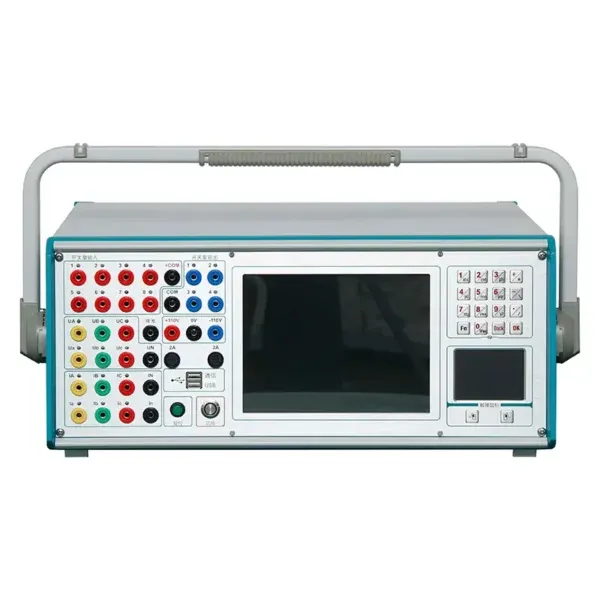
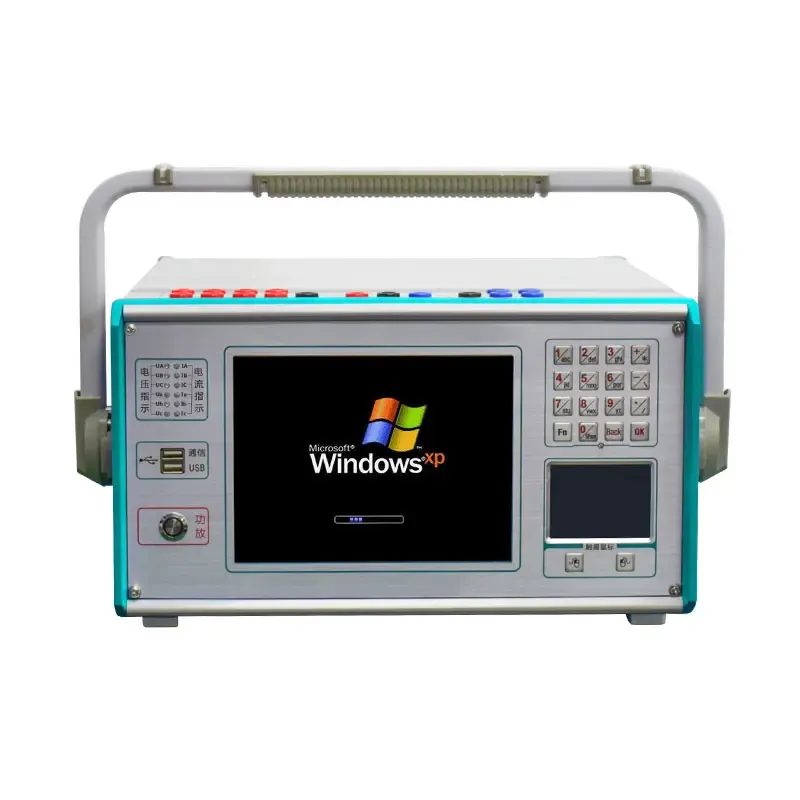
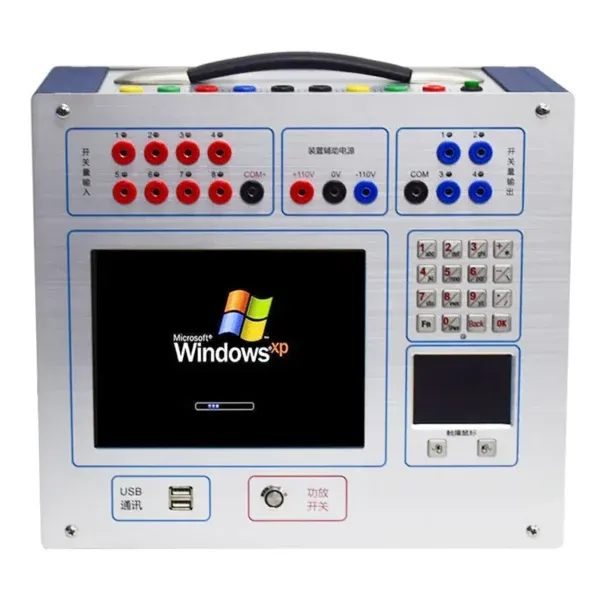
-
Core Description
The instrument has standard four phase voltage and three-phase current output (six phase voltage and six phase current output). It can not only test various traditional relays and protection devices, but also test various modern microcomputer protection, especially for transformer differential power protection and standby automatic switching device. The test is more convenient and perfect.
- Introduction
1. Classic Windows XP operation interface, friendly man-machine interface, simple and fast operation; High performance embedded industrial control computer and 8.4-inch resolution of 800 × The TFT true color display of 600 can provide rich and intuitive information, including the current working state of the equipment and various help information.
2. The native Windows XP system has its own recovery function to avoid system crash caused by illegal shutdown or misoperation.
3. It is equipped with ultra-thin industrial keyboard and photoelectric mouse, which can complete various operations through keyboard or mouse like ordinary PC.
4. The main control board adopts DSP + FPGA structure and 16 bit DAC output. It can generate 2000 high-density sine waves per week for the fundamental wave, which greatly improves the quality of the waveform and the accuracy of the tester.
5. The power amplifier adopts high fidelity linear power amplifier, which not only ensures the accuracy of small current, but also ensures the stability of large current.
6. It adopts USB interface to communicate directly with PC without any adapter line, which is convenient to use.
7. It can be connected to a laptop (optional) for operation. The notebook computer and industrial computer use the same set of software, and there is no need to learn the operation method again.
8. It has GPS synchronization test function. The device can be equipped with a built-in GPS synchronization card (optional) and connected with PC through RS232 port to realize the synchronous adjustment test of two testers in different places.
9. It is equipped with independent and special DC auxiliary voltage source output, and the output voltage is 110V (1a) and 220V (0.6A) respectively.
It can be used for relays or protective devices requiring DC working power supply.
10.It has the function of software self calibration, which avoids opening the chassis and calibrating the accuracy by adjusting the potentiometer, thus greatly improving the stability of the accuracy.
|
3*20A |
|||
|
Single phase current output (effective value) |
0 — 20A / phase, |
accuracy |
0.2% ±5mA |
|
Three phase parallel output (effective value) |
0 — 60A / three-phase in-phase parallel output |
||
|
Allowable working value of phase current for a long time (effective value) |
10A |
||
|
Maximum output power of each phase |
200va |
||
|
Maximum output power of three-phase parallel current |
600VA |
||
|
Maximum allowable working time of three parallel current output |
30s |
||
|
Frequency range |
0 — 1000Hz |
accuracy |
0.01Hz |
|
Harmonic frequency |
2-20 times |
||
|
Phase |
0 — 360 ° |
accuracy |
0.1 ° |
|
3*30A |
|||
|
Single phase current output (effective value) |
0 — 30A / phase, |
accuracy |
0.2% ±5mA |
|
Three phase parallel output (effective value) |
0 — 90a / three-phase in-phase parallel output |
||
|
Allowable working value of phase current for a long time (effective value) |
10A |
||
|
Maximum output power of each phase |
300VA |
||
|
Maximum output power of three-phase parallel current |
800VA |
||
|
Maximum allowable working time of three parallel current output |
30s |
||
|
Frequency range |
0 — 1000Hz |
accuracy |
0.01Hz |
|
Harmonic frequency |
2-20 times |
||
|
Phase |
0 — 360 ° |
accuracy |
0.1 ° |
|
3*30A |
|||
|
Single phase current output (effective value) |
0 — 40A / phase |
accuracy |
0.2% ±5mA |
|
Three phase parallel output (effective value) |
0 — 120a / three-phase in-phase parallel output |
||
|
Allowable working value of phase current for a long time (effective value) |
10A |
||
|
Maximum output power of each phase |
420va |
||
|
Maximum output power of three-phase parallel current |
1000VA |
||
|
Maximum allowable working time of three parallel current output |
10s |
||
|
Frequency range |
0 — 1000Hz |
accuracy |
0.01Hz |
|
Harmonic frequency |
2-20 times |
||
|
Phase |
0 — 360 ° |
accuracy |
0.1 ° |
|
6*20A |
|||
|
Single phase current output (effective value) |
0 — 20A / phase |
accuracy |
0.2% ±5mA |
|
Three phase parallel output (effective value) |
0 — 120a / six same phase parallel output |
||
|
Allowable working value of phase current for a long time (effective value) |
10A |
||
|
Maximum output power of each phase |
200va |
||
|
Maximum output power of three-phase parallel current |
800VA |
||
|
Maximum allowable working time of three parallel current output |
30s |
||
|
Frequency range |
0 — 1000Hz |
accuracy |
0.01Hz |
|
Harmonic frequency |
2-20 times |
||
|
Phase |
0 — 360 ° |
accuracy |
0.1 ° |
|
6*30A |
|||
|
Single phase current output (effective value) |
0 — 30A / phase |
accuracy |
0.2% ±5mA |
|
Three phase parallel output (effective value) |
0 — 180A / six same phase parallel output |
||
|
Allowable working value of phase current for a long time (effective value) |
10A |
||
|
Maximum output power of each phase |
300VA |
||
|
Maximum output power of three-phase parallel current |
1000VA |
||
|
Maximum allowable working time of three parallel current output |
30s |
||
|
Frequency range |
0 — 1000Hz |
accuracy |
0.01Hz |
|
Harmonic frequency |
2-20 times |
||
|
Phase |
0 — 360 ° |
accuracy |
0.1 ° |
DC current source
|
DC current output 0 – ± 10A / phase, accuracy |
0.2% ±5mA |
AC Voltage Source
|
Single phase voltage output |
(effective value) 0 — 125V / phase |
accuracy |
0.2% ±5mV |
|
Line voltage output (effective value) |
0 — 250V |
||
|
Phase voltage / line voltage output power |
75va / 100VA |
||
|
Frequency range |
0 — 1000Hz |
accuracy |
0.001Hz |
|
Harmonic frequency |
2-20 times |
||
|
Phase |
0 — 360 ° |
accuracy |
0.1 ° |
DC voltage source
|
Single phase voltage output amplitude |
0 — ± 150V |
accuracy |
0.2% ±5mV |
|
Line voltage output amplitude |
0 — ± 300V |
||
|
Phase voltage / line voltage output power |
90va / 180va |
||
Switching value terminal
|
Switching value input terminal |
8 pairs |
|
Empty contact |
1 — 20mA, 24V, internal active output of the device |
|
Potential reversal |
passive contact:low resistance short circuit signal |
|
Active contact |
0-250V DC |
|
Switching value output terminal |
4 pairs, empty contact, breaking capacity:110V / 2a, 220V / 1A |
Other
|
Time range |
1ms — 9999s, measurement accuracy 1ms |
|
Unit volume and weight |
410 x 190 x 420mm3, about 18kg |
|
Power Supply |
AC220V±10%,50Hz,10A |
-
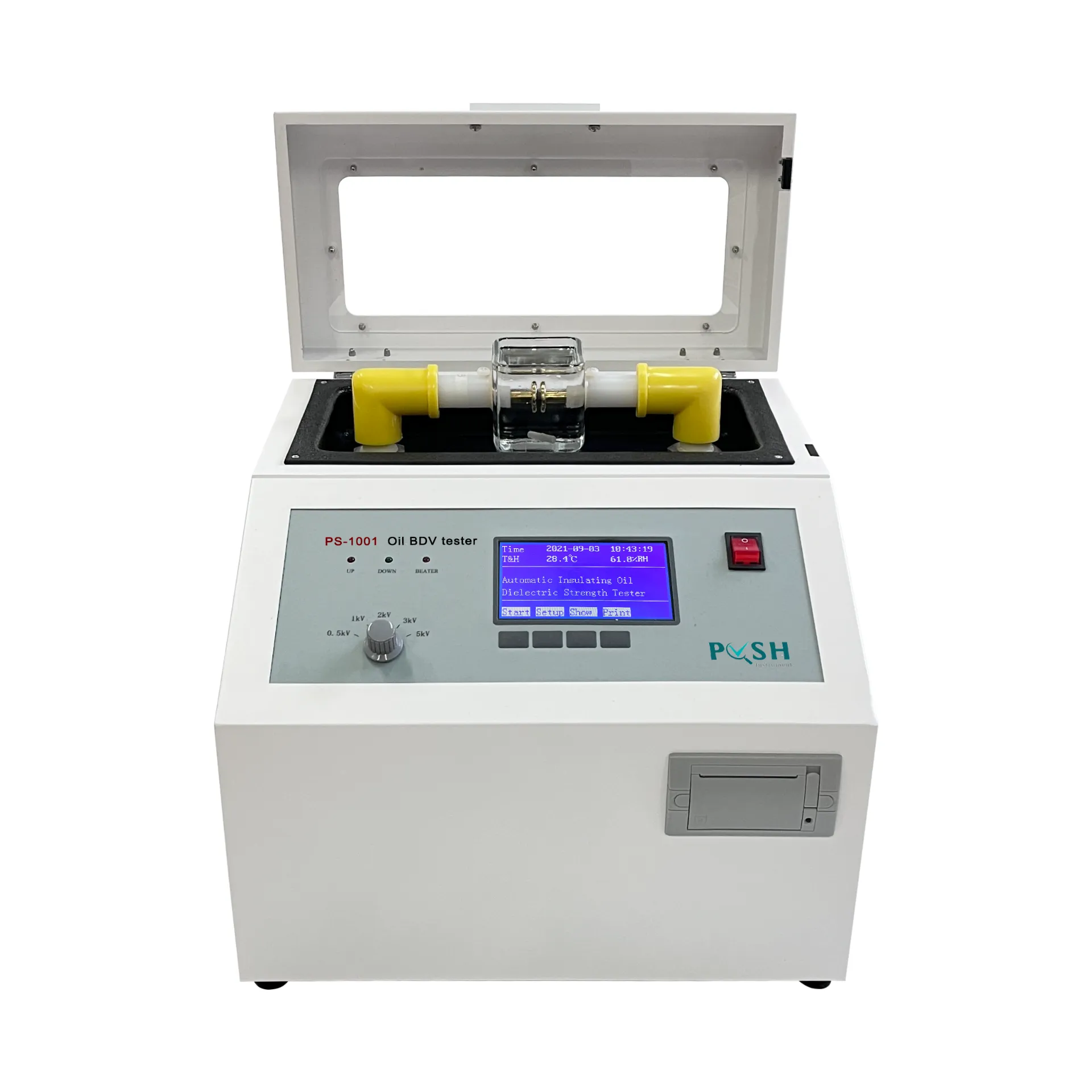
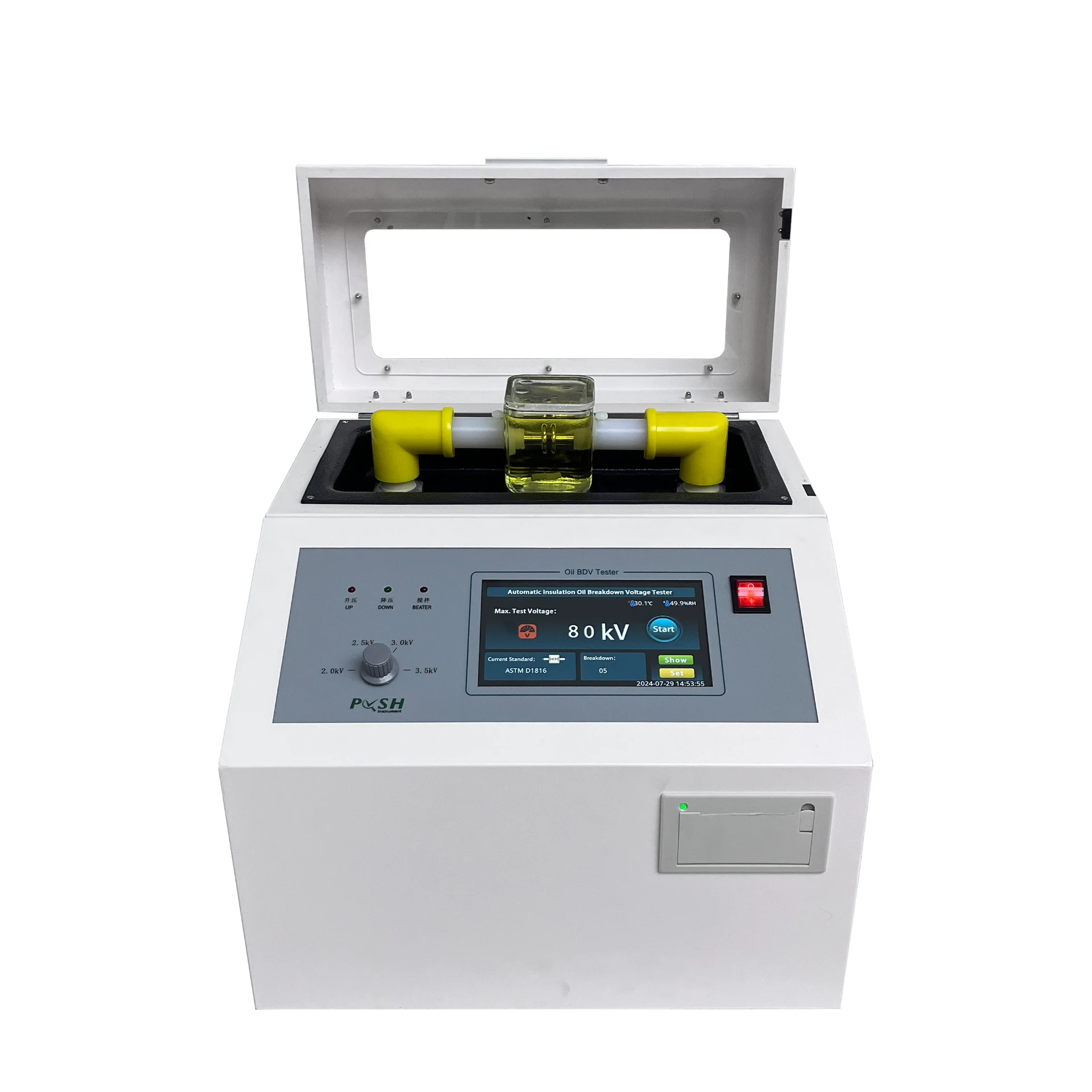
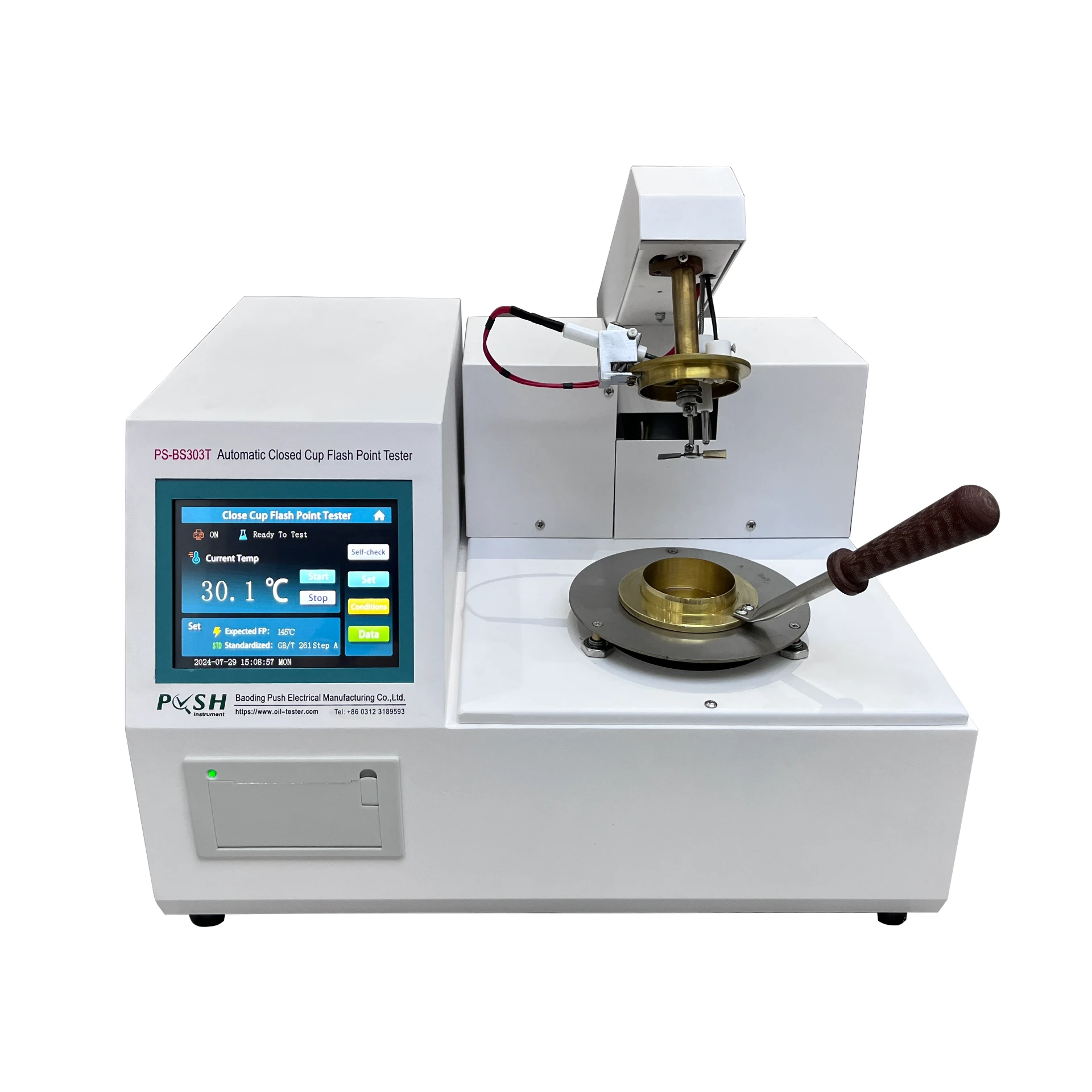
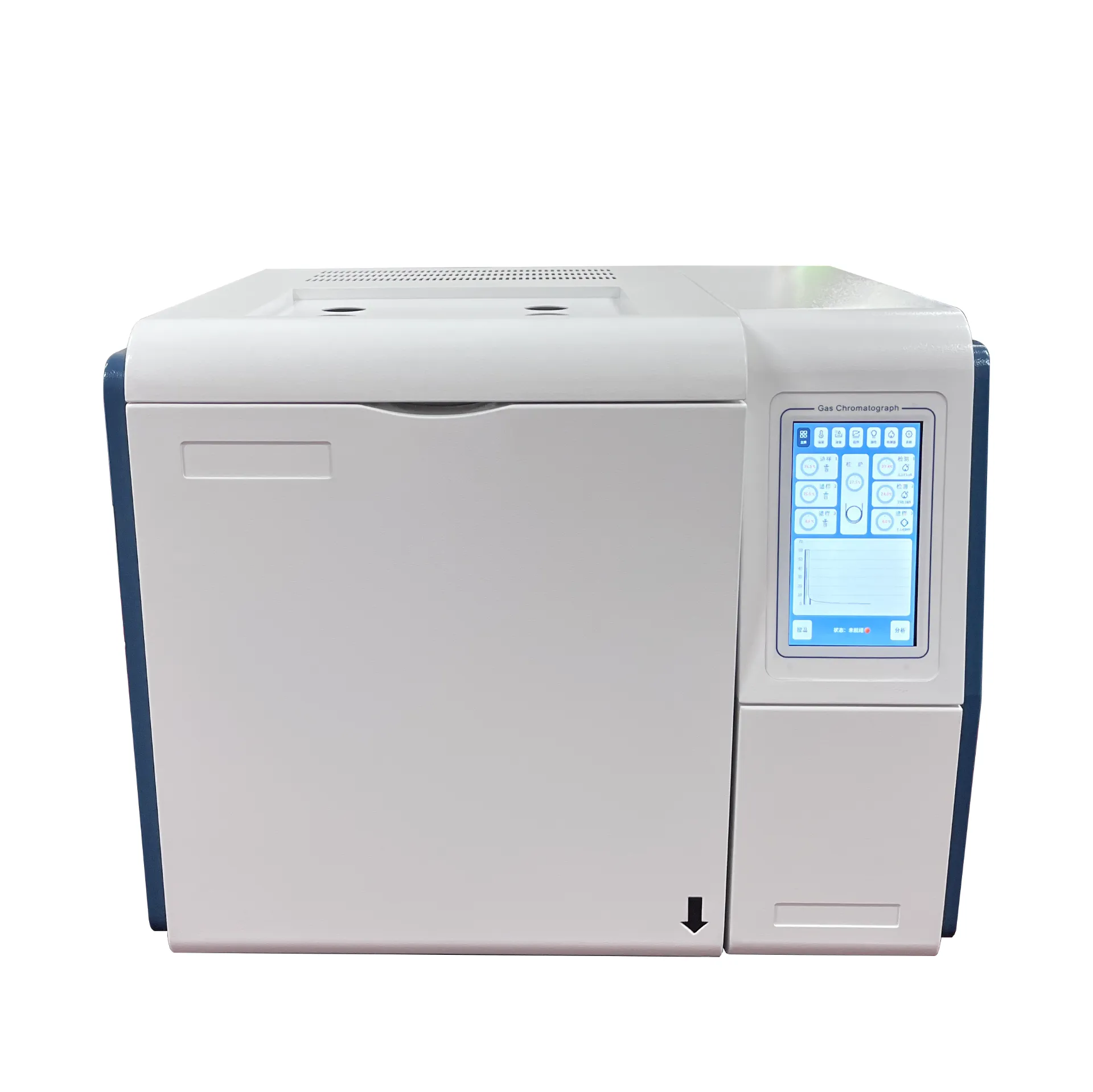
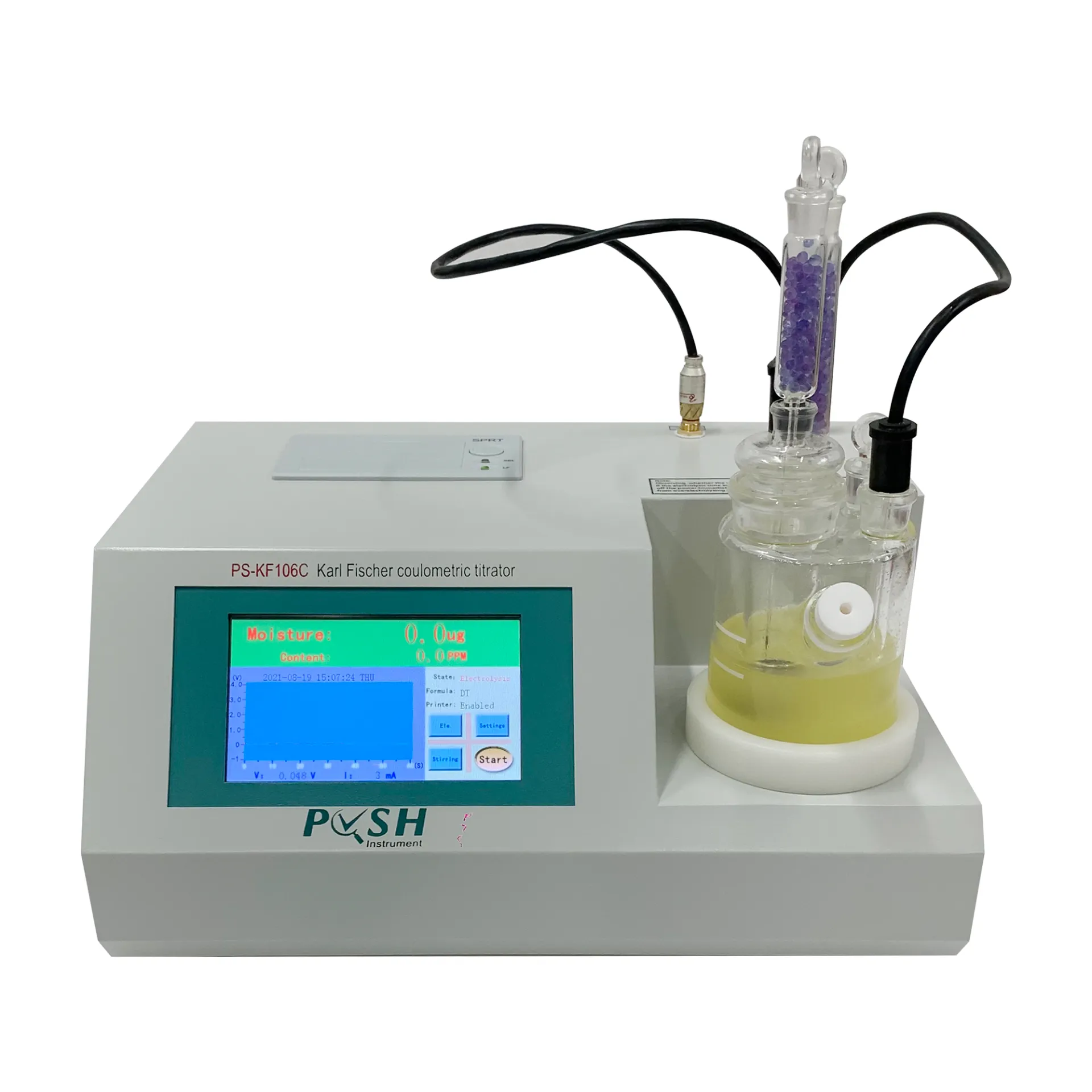
 Guide to Choosing the Right Industrial Oil Testing Kit for MachineryMaintaining industrial machinery requires more than just regular lubrication; it demands precise monitoring of lubricant health. An oil testing kit serves as the first line of defense against catastrophic equipment failure. By analyzing oil quality on-site, maintenance teams can detect contamination, oxidation, and wear particles before they lead to costly downtime. Whether you are managing a fleet of heavy machinery or a complex manufacturing plant, understanding the capabilities of your testing tools is essential for maximizing operational efficiency. In this guide, we will explore how to select and utilize the best tools for your specific industrial needs.Detail
 -
 The Ultimate Guide to Transformer Oil Analysis for Grid ReliabilityMaintaining the health of electrical transformers is critical for preventing catastrophic failures and ensuring an uninterrupted power supply. One of the most effective ways to monitor this health is through professional transformer oil analysis, a process that acts as a blood test for your high-voltage equipment. By examining the physical, chemical, and dissolved gas properties of the insulating oil, engineers can detect early signs of overheating, electrical discharge, or insulation degradation. In this comprehensive guide, we will explore how systematic oil testing can extend the lifespan of your assets and reduce unplanned downtime.Detail
 -
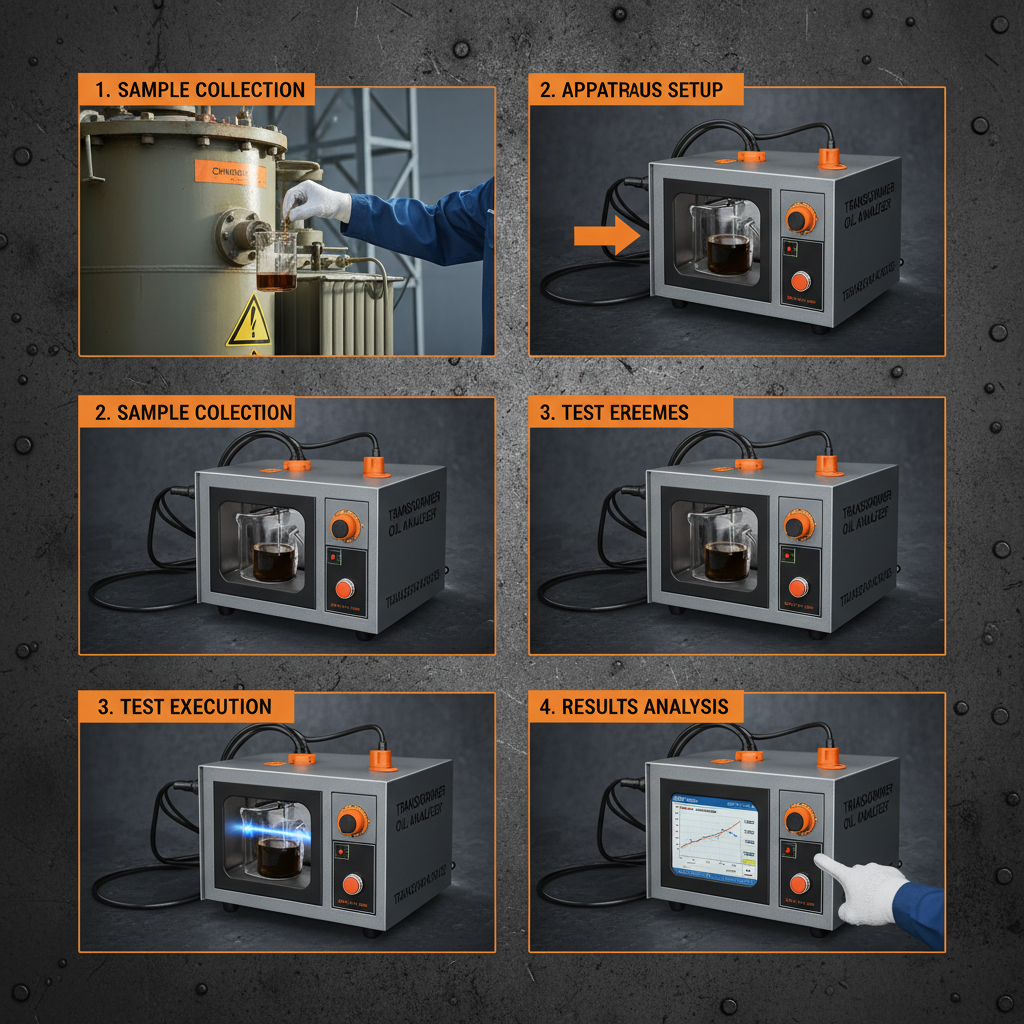 Comprehensive Guide to Transformer Oil Testing and Maintenance ProceduresMaintaining the health of your transformers is crucial for reliable power distribution. Regular transformer oil testing identifies potential issues before they lead to costly downtime or equipment failure. This article will detail the key tests performed, the importance of each, and how advancements in testing equipment are improving accuracy and efficiency.Detail