English



Guide to Choosing the Right Industrial Oil Testing Kit for Machinery
The Ultimate Guide to Choosing the Right Oil Testing Kit
Maintaining industrial machinery requires more than just regular lubrication; it demands precise monitoring of lubricant health. An oil testing kit serves as the first line of defense against catastrophic equipment failure. By analyzing oil quality on-site, maintenance teams can detect contamination, oxidation, and wear particles before they lead to costly downtime. Whether you are managing a fleet of heavy machinery or a complex manufacturing plant, understanding the capabilities of your testing tools is essential for maximizing operational efficiency. In this guide, we will explore how to select and utilize the best tools for your specific industrial needs.
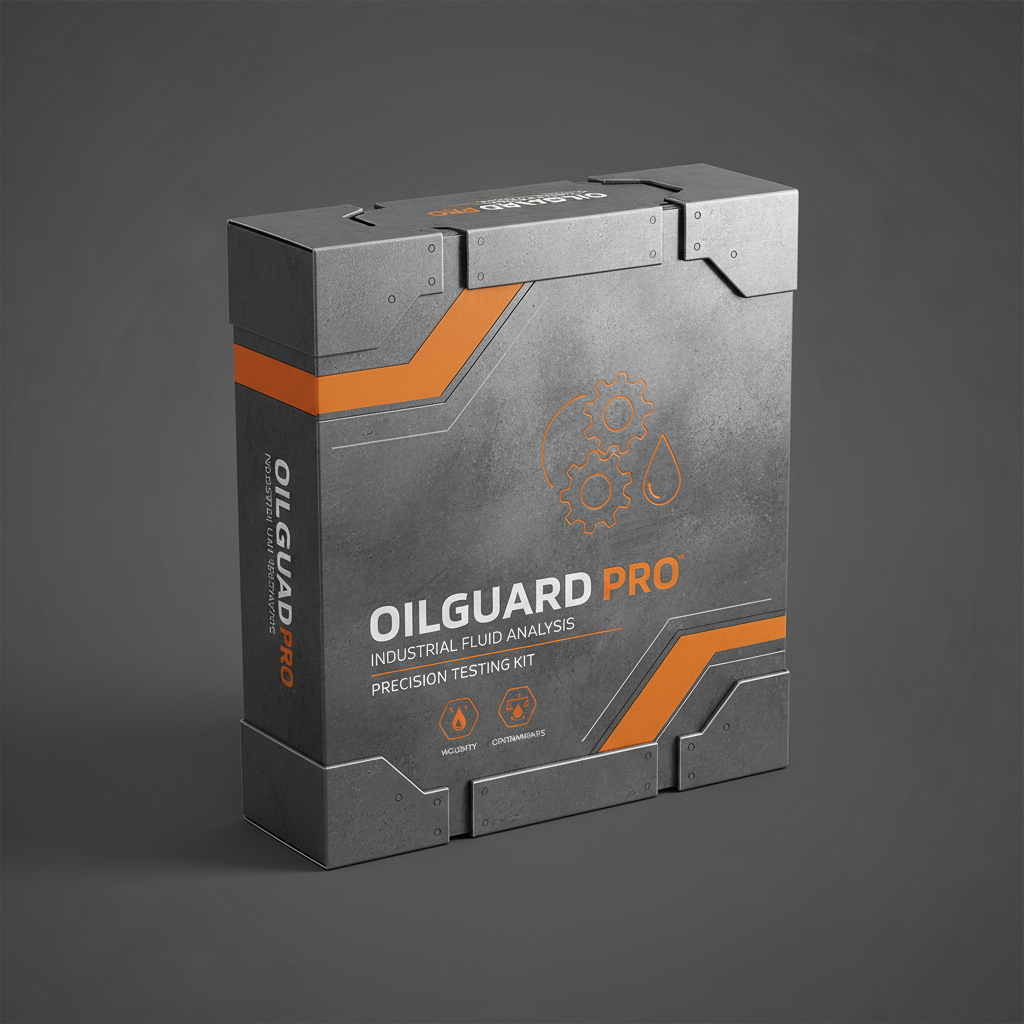
Why Your Facility Needs a Professional Oil Testing Kit
Relying solely on scheduled oil changes is an outdated approach that often leads to either wasteful premature replacement or dangerous overuse. A professional oil testing kit allows for condition-based maintenance. By monitoring key indicators such as Total Acid Number (TAN), viscosity, and water content, operators can make data-driven decisions. This proactive strategy not only extends the lifespan of the lubricant but also protects the internal components of the machine from premature wear and corrosion, ultimately reducing the total cost of ownership for expensive industrial assets.
Key Benefit: Transitioning from "time-based" to "condition-based" maintenance can reduce lubricant costs by up to 30% and decrease unplanned downtime significantly.
Types of Analysis Provided by an Oil Testing Kit
Not all oil analysis is the same. Depending on the application, you may need a kit that focuses on chemical degradation or one that detects physical contaminants. Most comprehensive oil testing kit options provide a variety of tests. For instance, Viscosity Testing ensures the oil still provides a sufficient lubricating film, while Water Contamination Tests identify moisture ingress which can cause rust and emulsion. Furthermore, analyzing the acidity levels helps in detecting oxidation, which indicates that the oil has broken down due to heat or age.
Commonly Monitored Parameters:
• TAN/TBN: Measures acidity and alkalinity to determine additive depletion.
• Viscosity: Checks the fluid's resistance to flow.
• Water Content: Detects leakage or condensation within the system.
• Particle Count: Identifies the level of solid contamination (ISO 4406).
Comparing Oil Testing Kit Options: Field vs. Lab
Deciding between an on-site oil testing kit and sending samples to a laboratory depends on your need for speed versus extreme precision. Field kits provide instant feedback, allowing for immediate corrective action, such as topping up additives or filtering the oil. Laboratories, while more accurate, involve shipping delays and higher per-sample costs. For most industrial operations, a hybrid approach—using a field kit for daily monitoring and a lab for quarterly audits—is the most efficient strategy.
Step-by-Step Use of an Industrial Oil Testing Kit
To get accurate results from your oil testing kit, following a standardized sampling procedure is critical. Contaminating the sample during collection can lead to "false positives," causing unnecessary oil changes. First, ensure the machinery is at operating temperature to ensure pollutants are suspended in the oil. Use a clean, dedicated sampling pump or valve. Once the sample is collected in a sterile container, apply the reagents or insert the sample into the digital meter as per the kit's instructions. Documenting the results over time allows you to establish a baseline, making it easier to spot anomalies quickly.
Technical Specifications for High-Performance Oil Testing Kits
When purchasing a professional kit, you must look at the technical specifications to ensure it aligns with your lubricant types (e.g., synthetic vs. mineral). A high-quality oil testing kit should offer a wide detection range and high repeatability. Below is a specification table for a standard industrial-grade monitoring kit used in turbine and hydraulic systems.
Integrating Oil Testing Into Your Maintenance Strategy
The real power of an oil testing kit is realized when the data is integrated into a broader CMMS (Computerized Maintenance Management System). By logging the results of every test, maintenance managers can create a "health curve" for each machine. If the viscosity starts to drop rapidly, it may indicate fuel dilution in engines; if the acidity spikes, it suggests overheating. This level of insight transforms the maintenance department from a reactive "fire-fighting" unit into a strategic asset that guarantees maximum uptime and reliability.
Conclusion: Secure Your Equipment's Future
Investing in a high-quality oil testing kit is one of the most cost-effective decisions an industrial operator can make. By providing immediate insights into the condition of your lubricants, these kits prevent catastrophic failures and optimize resource usage. Whether you need a simple field kit or a comprehensive analysis suite, the goal remains the same: ensuring your machinery runs smoothly and lasts longer. Don't wait for a breakdown to act—start monitoring your oil health today.
Frequently Asked Questions (FAQs)
How often should I use an oil testing kit for my machinery?
The frequency of testing depends on the criticality of the equipment and the severity of the operating environment. For critical assets like main turbines or large hydraulic presses, weekly or bi-weekly testing with an on-site oil testing kit is recommended. For less critical machinery, monthly checks are usually sufficient. The goal is to establish a trend; if you notice a sudden change in oil properties, you should increase the testing frequency until the issue is resolved.
Can a field kit replace laboratory analysis entirely?
While a field kit is excellent for rapid screening and trend monitoring, it cannot entirely replace a laboratory. Labs use advanced spectroscopy and chromatography to detect trace elements of metals (like copper or iron) that indicate specific component wear. We recommend using a field kit for day-to-day "health checks" and a professional lab once or twice a year for a "deep dive" diagnostic to ensure no subtle wear patterns are being missed.
What is the most common mistake when using these kits?
The most common mistake is improper sampling. Taking oil from the bottom of a reservoir often results in a sample filled with settled sludge and water, which does not represent the oil actually circulating through the machine. To get an accurate reading from your oil testing kit, always take samples from a "live" zone, such as a return line or a sampling valve located mid-stream, while the machine is at operating temperature.
Are these kits compatible with all types of industrial oils?
Most professional kits are designed to work with a broad range of oils, including mineral and synthetic lubricants. However, some specialized fluids, like fire-resistant hydraulic fluids or certain high-performance esters, may require specific reagents. Always check the technical specifications of your kit to ensure compatibility with your specific lubricant grade. If you are unsure, contacting the experts at OilTestEquip can help you find the exact match for your system.
-
Guide to Choosing the Right Industrial Oil Testing Kit for MachineryNewsApr.16,2026
-
The Ultimate Guide to Transformer Oil Analysis for Grid ReliabilityNewsApr.09,2026
-
Comprehensive Guide to Transformer Oil Testing and Maintenance ProceduresNewsApr.07,2026
-
Comprehensive Guide to Selecting the Right Oil Test Equipment for Machinery HealthNewsApr.04,2026