TEL:
+86-0312-3189593
 English


Telephone:0312-3189593

Email:sales@oil-tester.com



Related Products
-
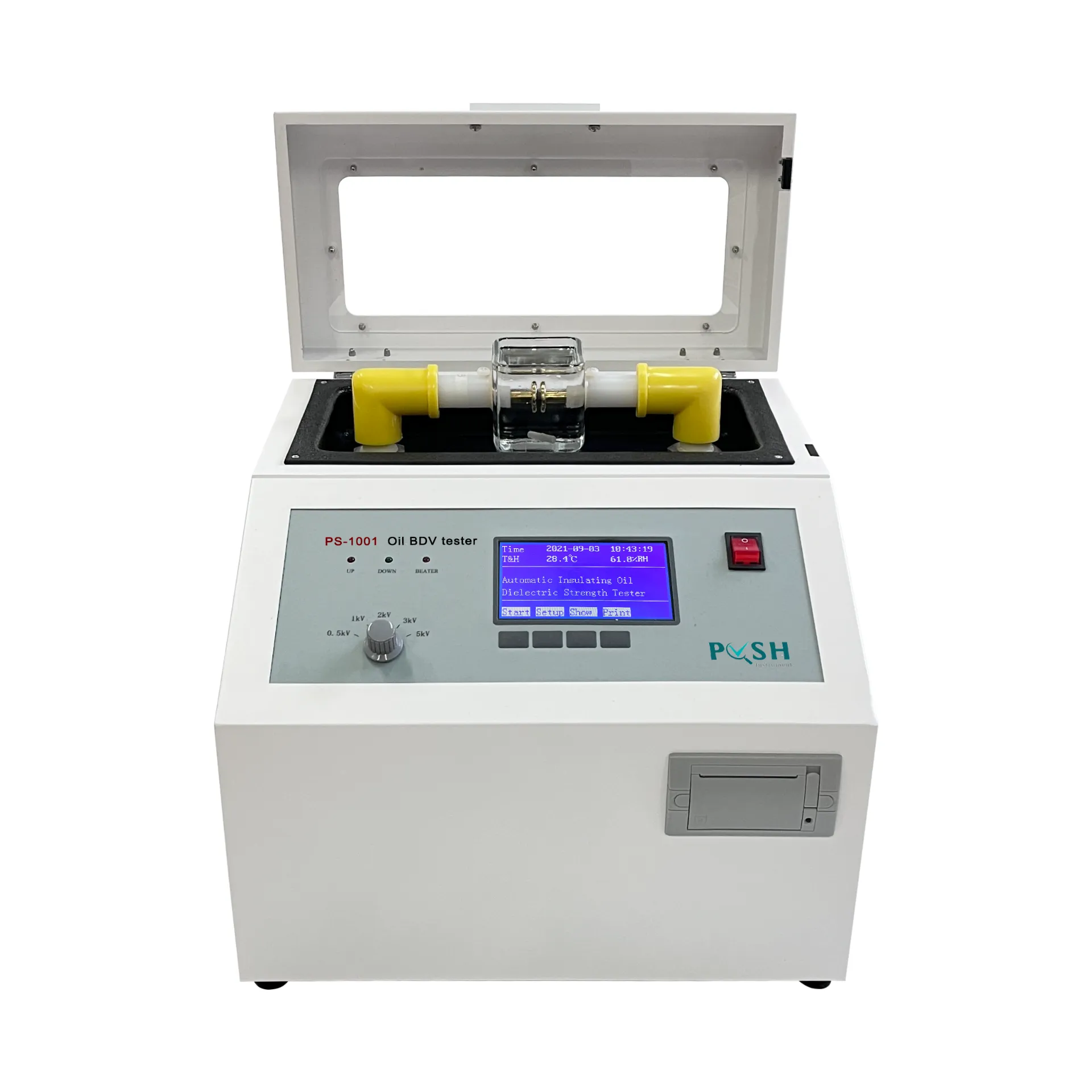 PUSH Electrical PS-1001 Oil breakdown voltage tester oil bdv testerInsulating oil dielectric strength tester complies with astm d1816 astm d877 standard. It is testing all kinds of Insulation Oil’s Dielectric Strength Value.Our company has three different types of single-cup oil bdv tester, three-cup oil bdv tester and six-cup oil bdv tester.Detail
 -
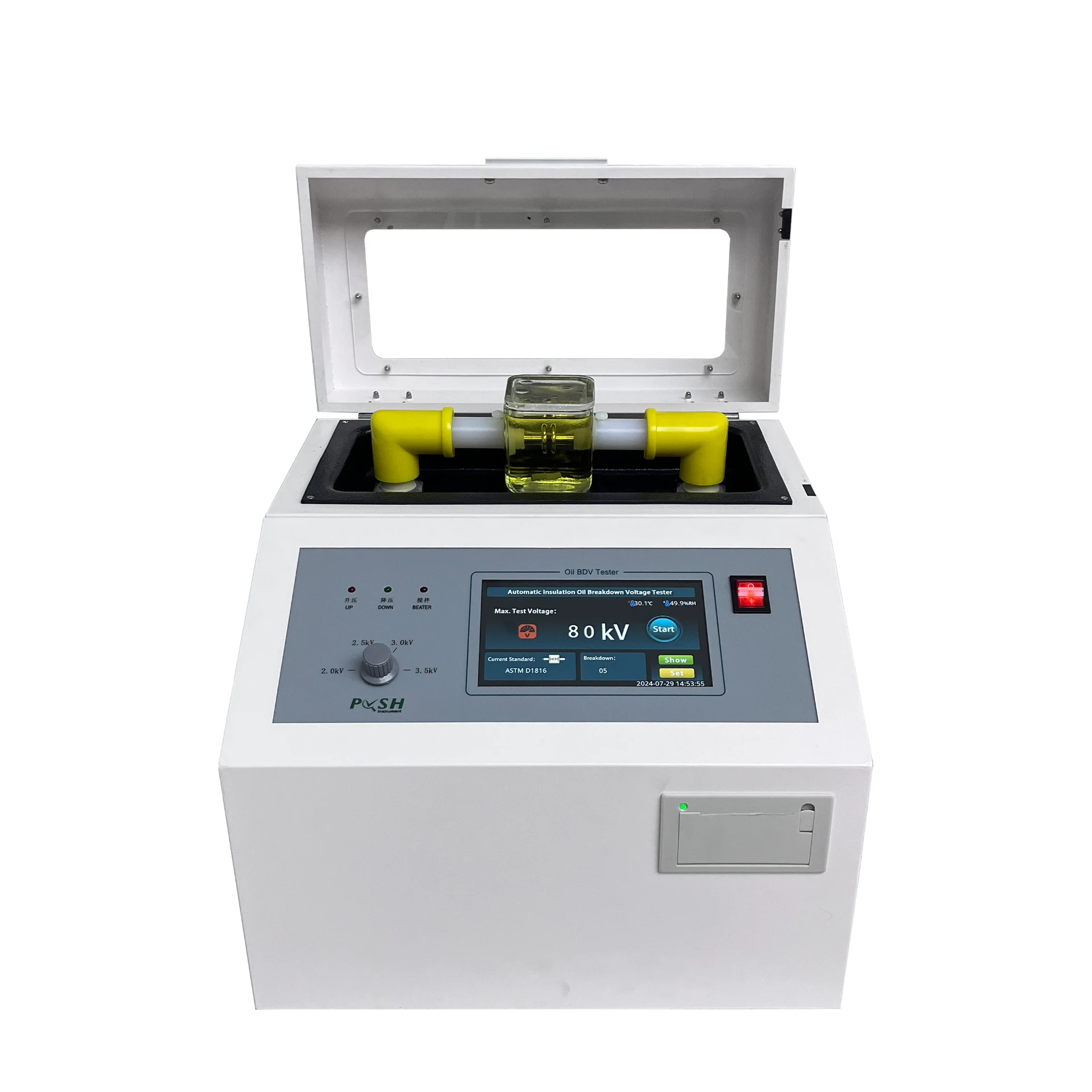 PUSH Electrical PS-C1001 insulation oil bielectric strength tester transformer oil bdv tester7-inch color touch screen, friendly interface, intuitive operation, accurate data Insulating oil dielectric strength tester complies with astm d1816 astm d877 standard. It is testing all kinds of Insulation Oil’s Dielectric Strength Value.Our company has three different types of single-cup oil bdv tester, three-cup oil bdv tester and six-cup oil bdv tester. Model No.: PS-C1001Detail
 -
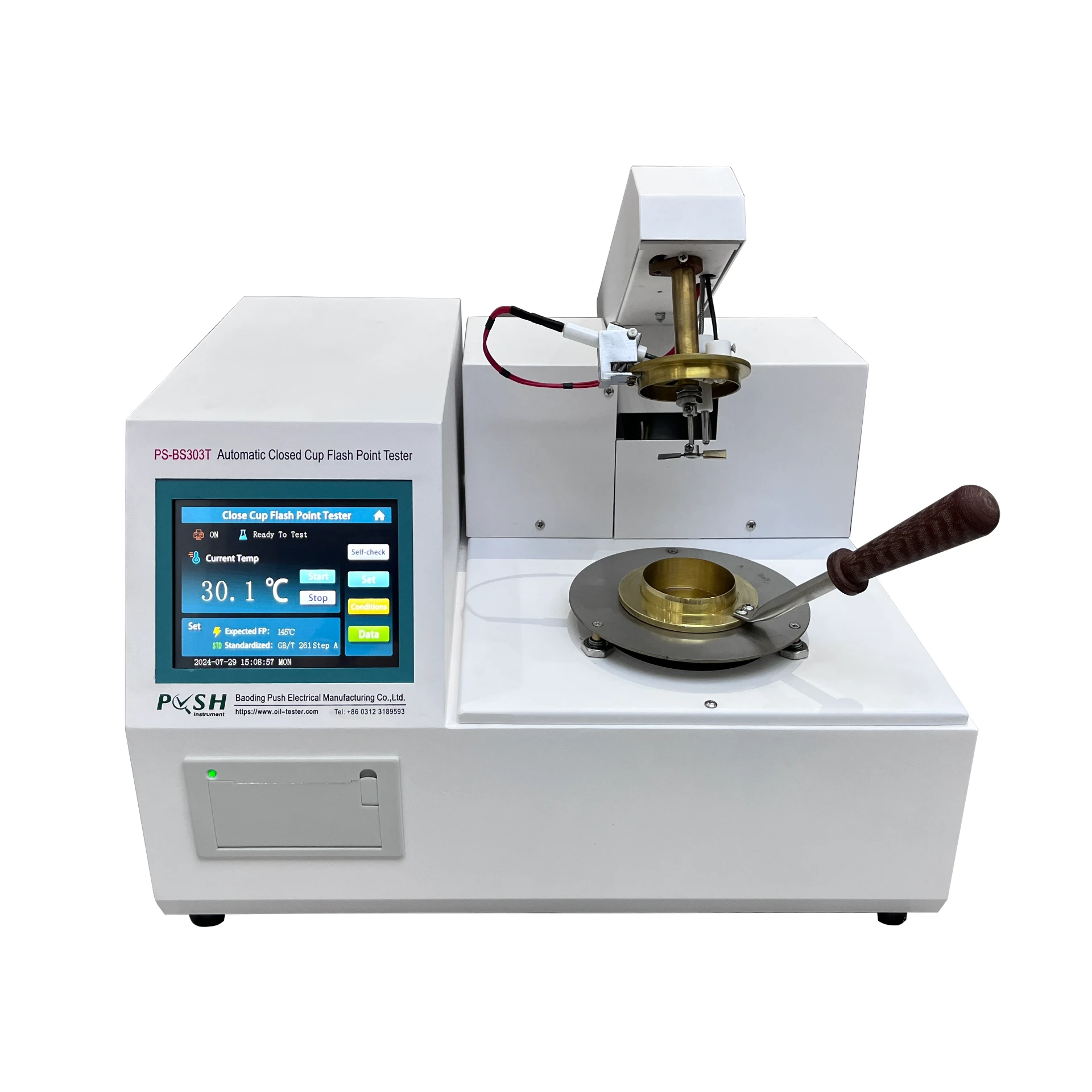 PUSH Electrical astm d93 close cup flash point testerFlash point is the lowest temperature at which the test flame causes the sample vapor to ignite and the flame to spread to the surface of the liquid under the specified test conditions. The fire point is the temperature at which the sample is heated up and can burn continuously for at least 5 seconds on the basis of the flash point. The flash point and fire point values are used to indicate whether there are highly volatile or flammable substances in relatively non-volatile or flammable substances. They are one of the important parameters for the transportation, storage, operation and safety management of petroleum products.Detail
Related News
-
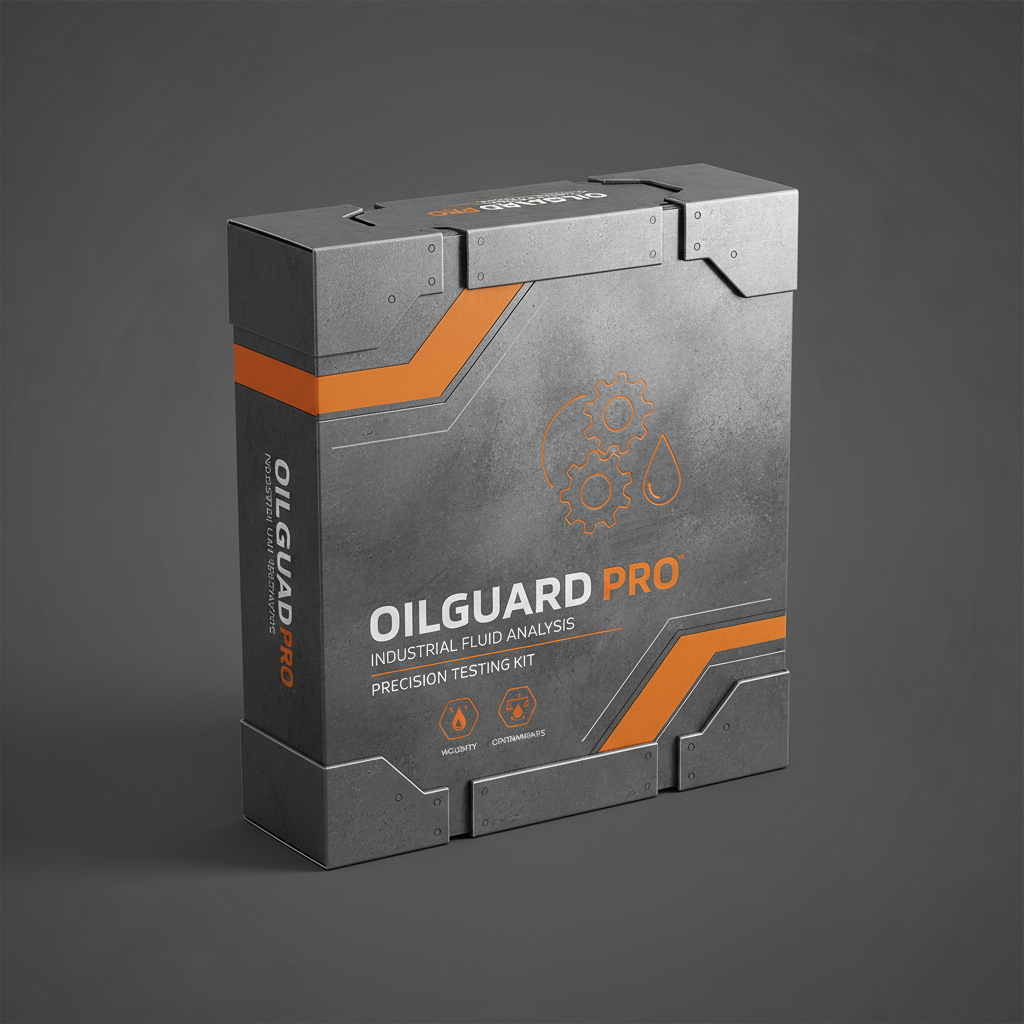 Guide to Choosing the Right Industrial Oil Testing Kit for MachineryMaintaining industrial machinery requires more than just regular lubrication; it demands precise monitoring of lubricant health. An oil testing kit serves as the first line of defense against catastrophic equipment failure. By analyzing oil quality on-site, maintenance teams can detect contamination, oxidation, and wear particles before they lead to costly downtime. Whether you are managing a fleet of heavy machinery or a complex manufacturing plant, understanding the capabilities of your testing tools is essential for maximizing operational efficiency. In this guide, we will explore how to select and utilize the best tools for your specific industrial needs.Detail
 -
 The Ultimate Guide to Transformer Oil Analysis for Grid ReliabilityMaintaining the health of electrical transformers is critical for preventing catastrophic failures and ensuring an uninterrupted power supply. One of the most effective ways to monitor this health is through professional transformer oil analysis, a process that acts as a blood test for your high-voltage equipment. By examining the physical, chemical, and dissolved gas properties of the insulating oil, engineers can detect early signs of overheating, electrical discharge, or insulation degradation. In this comprehensive guide, we will explore how systematic oil testing can extend the lifespan of your assets and reduce unplanned downtime.Detail
 -
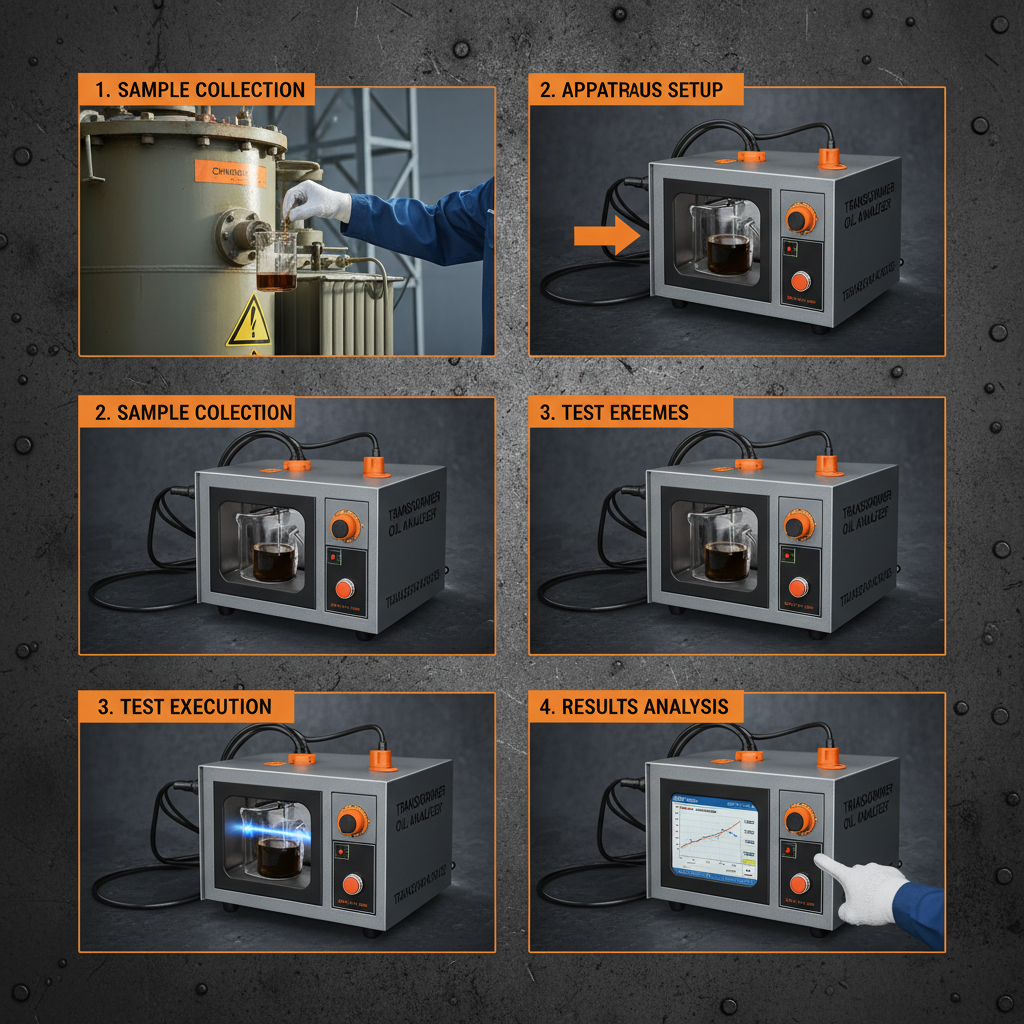 Comprehensive Guide to Transformer Oil Testing and Maintenance ProceduresMaintaining the health of your transformers is crucial for reliable power distribution. Regular transformer oil testing identifies potential issues before they lead to costly downtime or equipment failure. This article will detail the key tests performed, the importance of each, and how advancements in testing equipment are improving accuracy and efficiency.Detail