English



Comprehensive Guide to Transformer Oil Testing and Maintenance Procedures
Comprehensive Guide to Transformer Oil Testing
Maintaining the health of your transformers is crucial for reliable power distribution. Regular transformer oil testing identifies potential issues before they lead to costly downtime or equipment failure. This article will detail the key tests performed, the importance of each, and how advancements in testing equipment are improving accuracy and efficiency. Understanding these procedures allows for proactive maintenance and extends the lifespan of your valuable transformer assets.
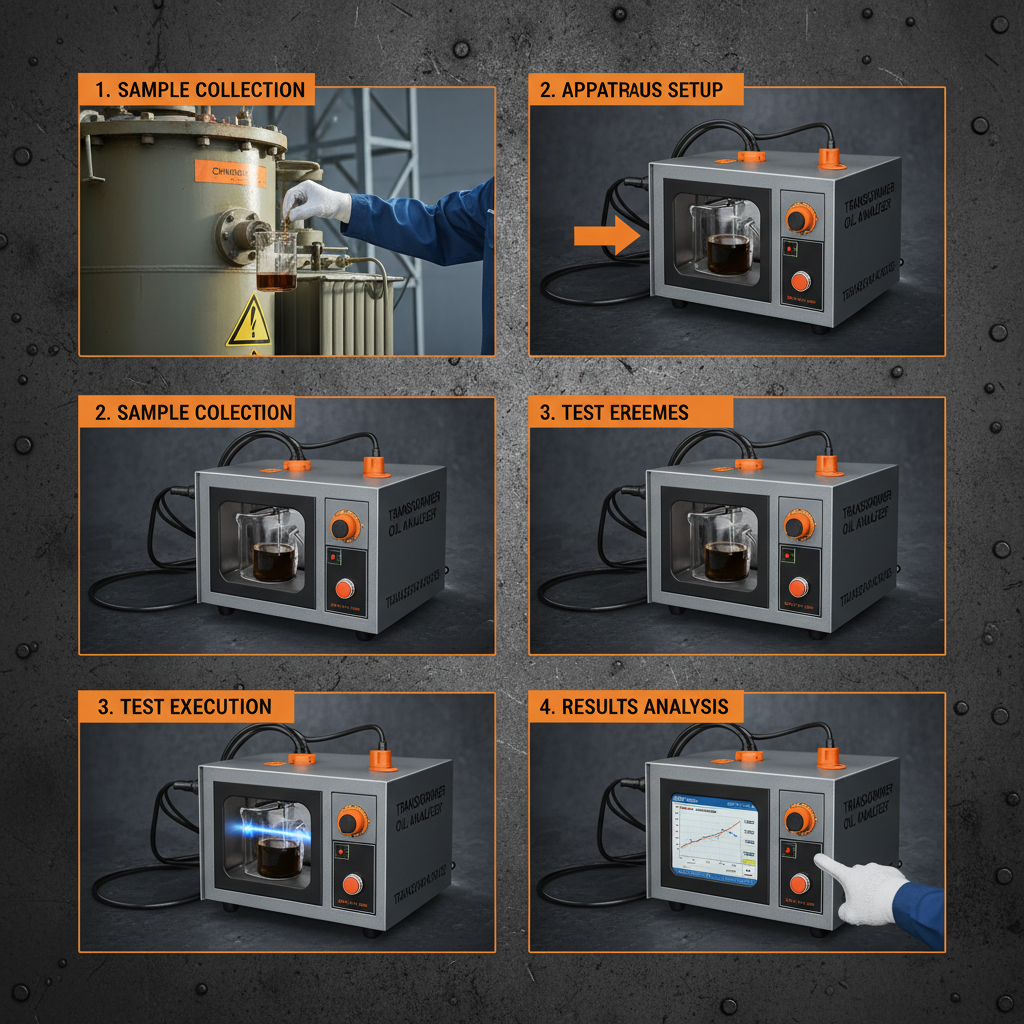
Why is Transformer Oil Testing Important?
Transformer oil serves a vital dual purpose: cooling the core and windings and providing electrical insulation. Over time, the oil degrades due to thermal stress, oxidation, and contamination. This degradation affects its dielectric strength, cooling capacity, and ability to inhibit corrosion. Regular testing detects these changes, allowing for timely oil replacement or re-conditioning. Neglecting testing can lead to insulation breakdown, flashovers, and ultimately, transformer failure. Proactive testing translates to significant cost savings and increased operational reliability.
Key Benefits: Preventative maintenance, reduced downtime, extended transformer lifespan, improved operational reliability, and cost savings.
Essential Transformer Oil Tests
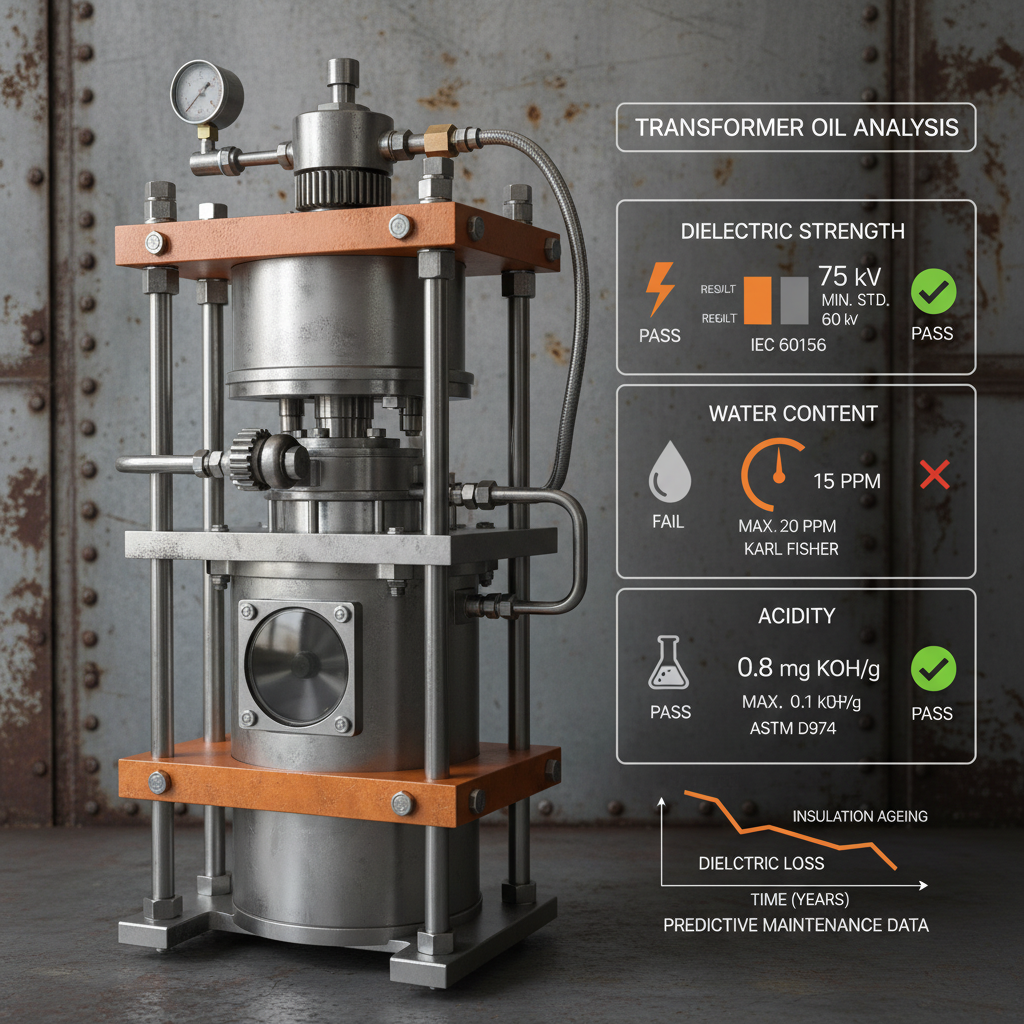
Several key tests are routinely performed to assess transformer oil quality. These include: Dielectric Breakdown Voltage (BDV), measuring the oil's ability to withstand electrical stress; Dissolved Gas Analysis (DGA), identifying gases produced by oil decomposition indicating internal faults; Acidity (Neutralization Number), indicating oil oxidation levels; Water Content (ppm), as water drastically reduces dielectric strength; Interfacial Tension (IT), assessing the oil's ability to separate from water and contaminants; and Color (ASTM), a visual indicator of oil condition. Each test provides unique insights into the overall health of the transformer.
Test Parameters & Typical Values:
• BDV: >30 kV (typical)
• DGA: Levels monitored against established limits
• Acidity:
• Water Content:
• IT: > 20 dynes/cm (typical)
Comparing Traditional vs. Modern Testing Methods
Historically, transformer oil testing was performed using manual laboratory methods, which were time-consuming and prone to human error. Modern testing equipment, such as those offered by Oiltestequip.com, automates many of these processes, significantly improving accuracy, speed, and repeatability. These advanced instruments often incorporate digital data logging and analysis capabilities, providing comprehensive reports and trend analysis. Automated systems also reduce the risk of exposure to hazardous chemicals.
Equipment Available from Oiltestequip.com
Oiltestequip.com offers a comprehensive range of transformer oil testing equipment, from portable field test kits to sophisticated laboratory analyzers. Our products include:
- Dielectric Breakdown Voltage Testers: For accurate BDV measurements.
- Dissolved Gas Analyzers: For comprehensive DGA testing.
- Water Content Meters: Precise measurement of water in oil.
- Acidity Testers: Determine oil oxidation levels.
- Interfacial Tension Meters: Assess oil cleanliness.
Selecting the Right Testing Equipment
Choosing the appropriate testing equipment depends on your specific needs and budget. Factors to consider include the size and type of transformers, testing frequency, and desired level of automation. Oiltestequip.com provides expert guidance to help you select the optimal equipment for your application. We offer a range of solutions to suit varying needs, from simple portable kits for field testing to fully automated laboratory systems.
Conclusion: Investing in Proactive Transformer Oil Testing
Regular transformer oil testing is a critical component of a comprehensive maintenance program. By identifying potential issues early, you can prevent costly failures, extend the lifespan of your transformers, and ensure reliable power delivery. Explore the advanced testing solutions available at Oiltestequip.com to safeguard your valuable assets.
Frequently Asked Questions (FAQs)
How often should I test my transformer oil?
The frequency of testing depends on several factors, including the transformer's age, operating conditions, and criticality. As a general guideline, first-time oil testing should occur immediately after the transformer is put into service. Subsequently, routine testing should be performed at least annually, or more frequently (e.g., semi-annually) for critical transformers or those operating in harsh environments. Dissolved Gas Analysis (DGA) should be performed at intervals determined by risk assessment, typically 1-3 years. It's best to establish a testing schedule based on manufacturer recommendations and industry best practices.
What do high levels of dissolved gases indicate?
Elevated levels of dissolved gases, such as hydrogen, methane, ethane, ethylene, and acetylene, indicate internal faults within the transformer. Different gas combinations suggest specific types of issues. For example, hydrogen can indicate cellulose insulation degradation, while acetylene often signifies an arcing fault. A comprehensive Dissolved Gas Analysis (DGA) report, interpreted by a qualified engineer, is crucial for accurate diagnosis and timely intervention. It is important to note that some gases are normal byproducts of the oil aging process.
Can transformer oil be reconditioned?
Yes, transformer oil can often be reconditioned to restore its original properties. Reconditioning processes include filtration to remove particulate matter, dehydration to reduce water content, and degassing to remove dissolved gases. Oil reconditioning can significantly extend the oil's lifespan and reduce the need for costly oil replacement. However, severely degraded oil may not be suitable for reconditioning and may require complete replacement. Consult with a qualified oil reconditioning specialist to determine the best course of action.
-
Guide to Choosing the Right Industrial Oil Testing Kit for MachineryNewsApr.16,2026
-
The Ultimate Guide to Transformer Oil Analysis for Grid ReliabilityNewsApr.09,2026
-
Comprehensive Guide to Transformer Oil Testing and Maintenance ProceduresNewsApr.07,2026
-
Comprehensive Guide to Selecting the Right Oil Test Equipment for Machinery HealthNewsApr.04,2026