Atmospheric distillation unit processes are fundamental to numerous industries, from petroleum refining and petrochemicals to the production of high-purity chemicals and solvents. These units separate crude oil or other liquid mixtures into various components based on their boiling points, making them essential for creating a wide range of products we use daily. Understanding the principles and applications of atmospheric distillation is crucial for engineers, chemists, and professionals involved in these sectors.
The global demand for refined petroleum products and specialty chemicals continues to rise, driving innovation and optimization within atmospheric distillation processes. Efficient and reliable atmospheric distillation units are critical for maximizing yield, minimizing waste, and meeting increasingly stringent environmental regulations. Technological advancements are constantly being implemented to improve energy efficiency and process control.
The significance of the atmospheric distillation unit extends beyond economic benefits. By enabling the production of essential fuels and raw materials, it plays a vital role in supporting transportation, manufacturing, and various other sectors that are integral to modern society. Furthermore, advancements in distillation technology are contributing to a more sustainable and environmentally responsible approach to resource utilization.
The Importance of Atmospheric Distillation Unit in Modern Industry
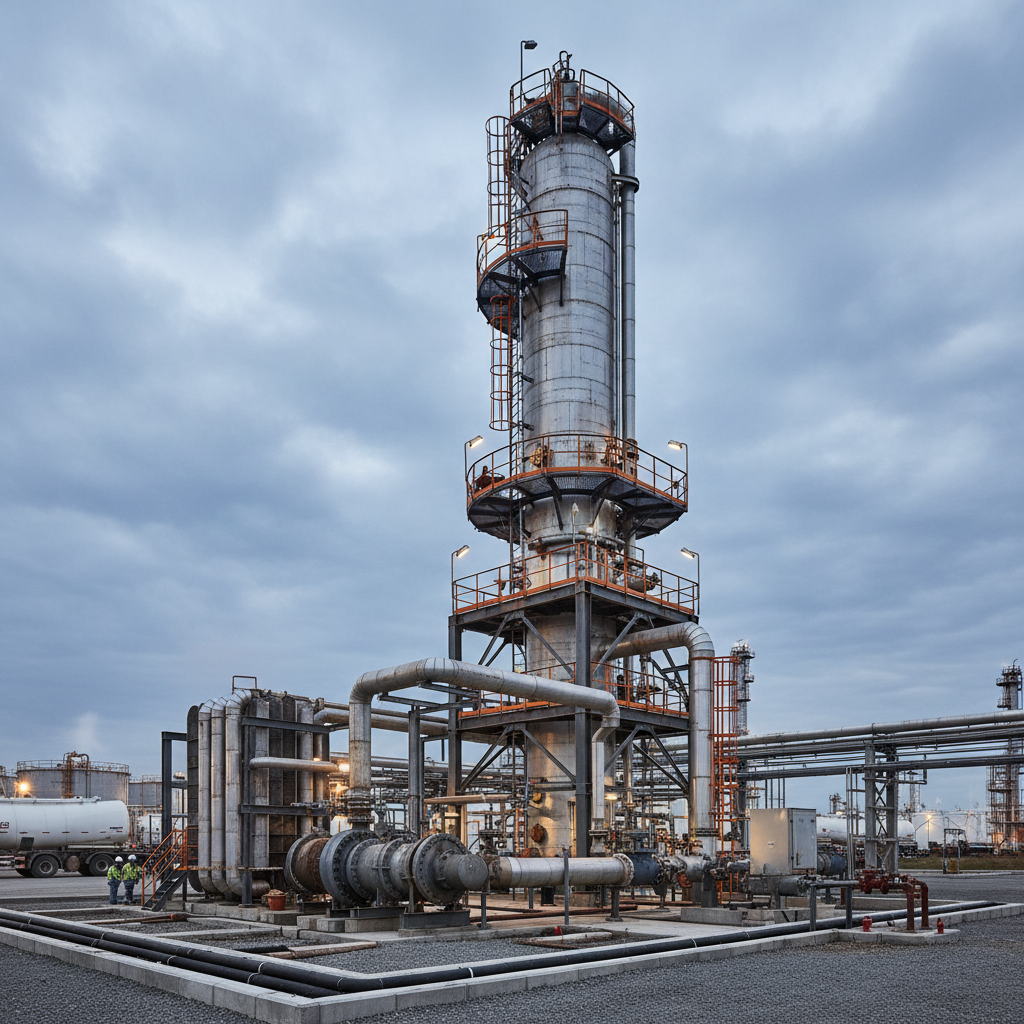
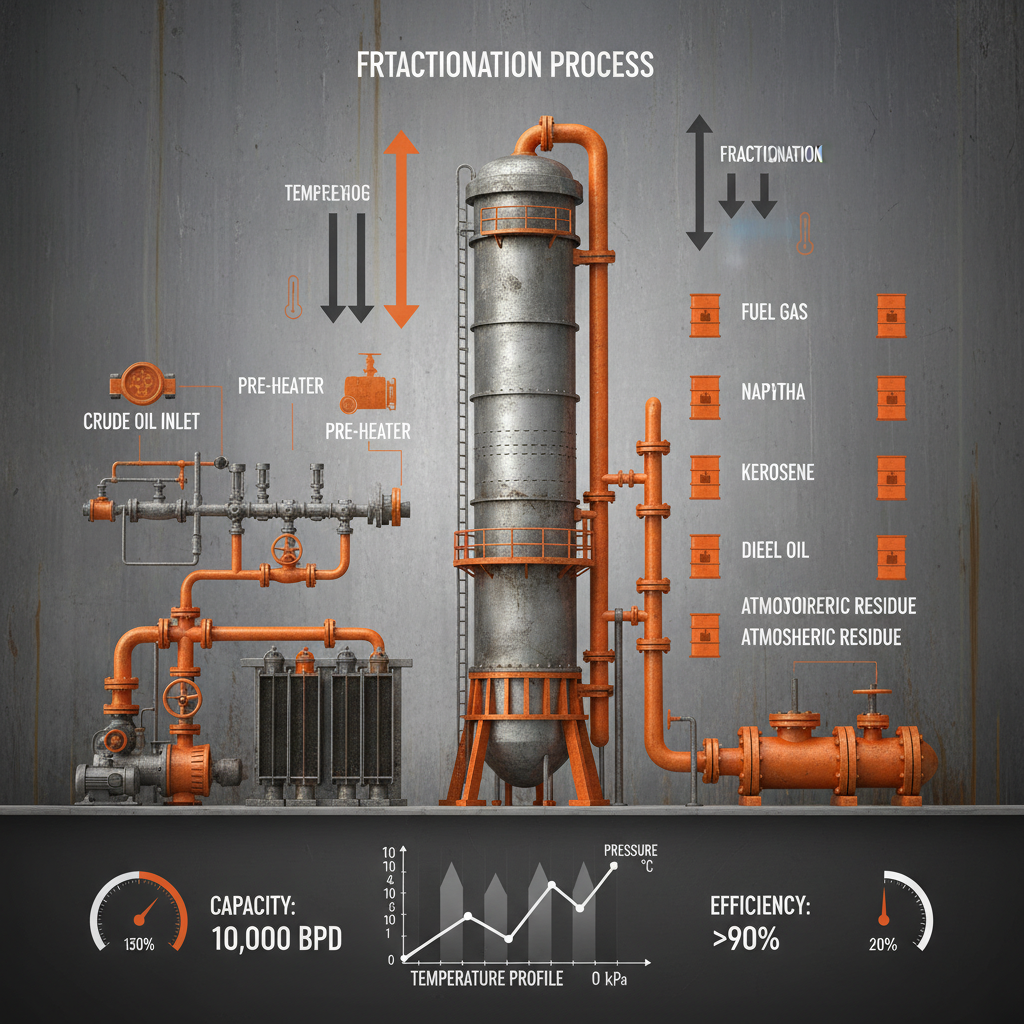
The atmospheric distillation unit is a cornerstone of the modern petrochemical industry. It's the primary method for separating crude oil into its constituent parts – gases, gasoline, kerosene, diesel fuel, and heavier fractions. Without this process, the production of the fuels and chemicals that power our world would be impossible.
Its importance isn’t limited to just fuel. Atmospheric distillation provides essential feedstocks for plastics, lubricants, solvents, and numerous other products vital to countless industries, impacting everything from packaging and textiles to pharmaceuticals and agriculture. Optimizing atmospheric distillation efficiency directly translates to cost savings and reduced environmental impact.
Defining Atmospheric Distillation Unit: A Core Industrial Process
An atmospheric distillation unit is a process where a liquid mixture, like crude oil, is separated into its component parts based on their different boiling points. This is achieved by heating the mixture and allowing the vapors to rise in a distillation column. As the vapors ascend, they cool, condense back into liquids at different heights within the column, and are then collected.
This process is fundamental because it allows us to take a complex, unusable raw material – crude oil – and transform it into a range of valuable products. The resulting fractions are then further processed and refined to meet specific quality standards. It's the first major step in the oil refining process, setting the stage for subsequent conversion and treatment operations.
The connection to modern industry is undeniable. Nearly every sector relies on products derived from atmospheric distillation, making it a critical enabler of economic growth and technological advancement. Even beyond petroleum, the principles of distillation are used in the production of essential chemicals, pharmaceuticals, and even food and beverage processing.
Key Components and Operational Factors of Atmospheric Distillation
Several key factors influence the efficiency and effectiveness of an atmospheric distillation unit. These include the design of the distillation column, the operating pressure, the feed temperature, and the reflux ratio. The column itself is typically a tall cylindrical vessel containing trays or packing materials to maximize contact between the ascending vapors and the descending liquids.
Another crucial element is the understanding and control of process parameters. Maintaining optimal temperature profiles throughout the column is essential for achieving the desired separation. Accurate monitoring of feed composition and product quality is also vital for ensuring consistent operation.
The reflux ratio, the ratio of liquid returned to the column to the liquid withdrawn as product, plays a significant role in separation efficiency. A higher reflux ratio generally leads to sharper separation but also increases energy consumption. Careful optimization of this parameter is therefore crucial for balancing performance and cost. Furthermore, understanding the thermodynamics of the mixture being distilled is paramount to predicting and controlling the separation process.
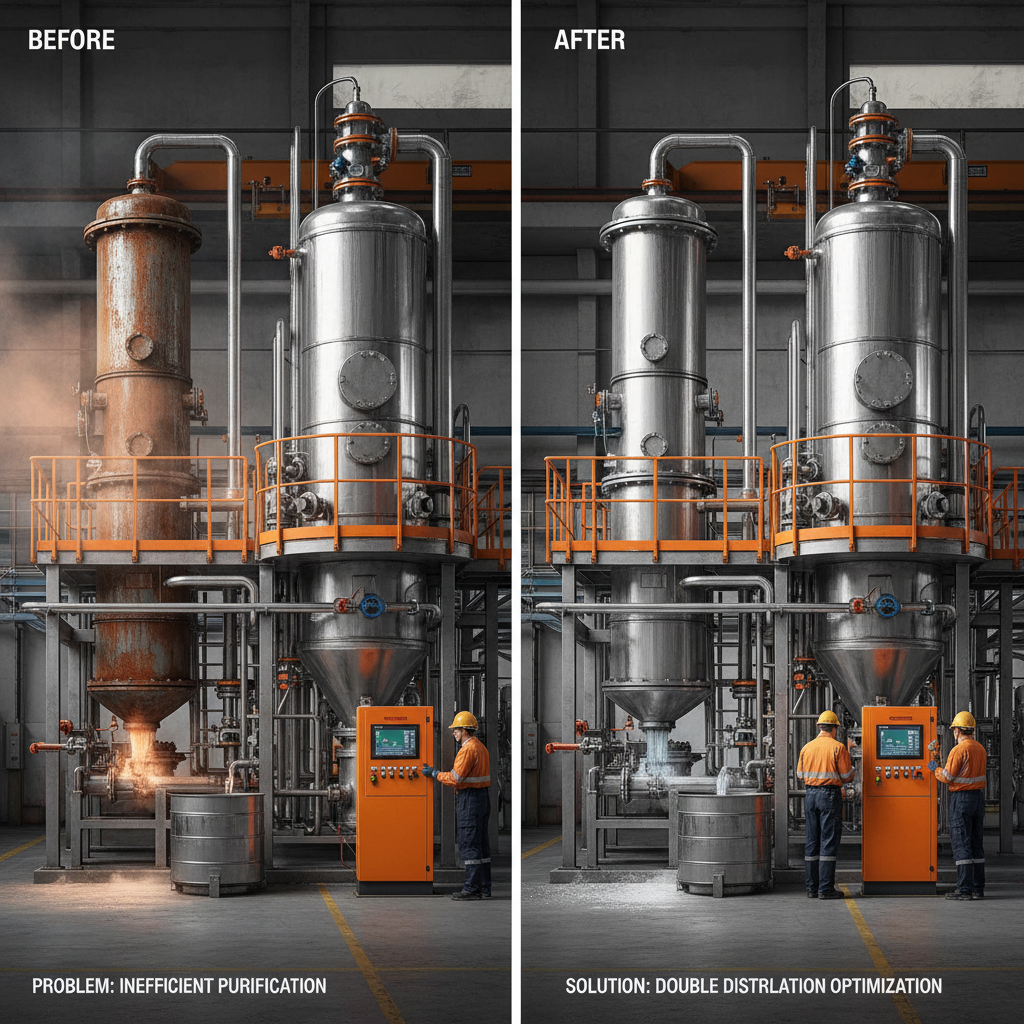
Finally, the pre-treatment of the crude oil feed is critical. Removing impurities like water, salts, and sediment before distillation prevents fouling and corrosion within the unit, extending its lifespan and maintaining operational reliability. Proper feedstock preparation significantly improves the overall efficiency of the atmospheric distillation process.
Global Applications of Atmospheric Distillation Unit
Atmospheric distillation units are deployed worldwide, forming the backbone of oil refineries in nearly every country. Major refining hubs are located in regions with significant crude oil production, such as the Middle East, North America, and Russia, but units are also strategically positioned near large consumer markets like Europe and Asia.
Beyond large-scale refineries, smaller distillation units are utilized in specialized applications, such as the production of solvents for the pharmaceutical industry and the recovery of valuable chemicals from waste streams. In remote industrial zones, atmospheric distillation can provide locally sourced fuels and raw materials, reducing transportation costs and supply chain disruptions.
Atmospheric Distillation Unit Efficiency Comparison
Advantages and Long-Term Value Proposition
The primary advantage of a well-maintained atmospheric distillation unit is cost-effectiveness. By maximizing the recovery of valuable products from crude oil, it reduces reliance on more expensive refining processes. Improved efficiency also translates to lower energy consumption, minimizing operating costs and reducing the carbon footprint.
Long-term value extends beyond immediate financial gains. Investing in advanced distillation technology enhances process reliability and reduces downtime, ensuring consistent production. This stability builds trust with customers and strengthens a company's reputation for delivering high-quality products.
Future Trends and Innovations in Distillation Technology
The future of atmospheric distillation is focused on increasing efficiency, reducing environmental impact, and embracing digital transformation. One key trend is the development of more advanced column internals, such as structured packing, that offer improved separation performance and lower pressure drop.
Another exciting area is the integration of artificial intelligence and machine learning to optimize process control in real-time. These technologies can analyze vast amounts of data to predict and prevent process upsets, improve product quality, and minimize energy consumption. Furthermore, research into alternative solvents and energy sources promises to make distillation even more sustainable.
The move towards circular economy principles is also driving innovation in distillation. Developing methods to recover valuable resources from waste streams through distillation is becoming increasingly important, contributing to a more sustainable and resource-efficient industry.
Challenges and Solutions in Atmospheric Distillation Processes
A significant challenge in atmospheric distillation is fouling, the accumulation of deposits on column internals, which reduces efficiency and increases pressure drop. Solutions include improved feedstock pre-treatment, the use of anti-fouling additives, and regular column cleaning. Another challenge is dealing with fluctuations in feed composition, which can disrupt the separation process.
Advanced process control systems and real-time monitoring can help mitigate these fluctuations. Corrosion is also a concern, particularly in units processing corrosive crude oils. Selecting appropriate materials of construction and implementing corrosion monitoring programs are crucial for maintaining long-term reliability.
Ultimately, addressing these challenges requires a holistic approach that combines optimized process design, advanced control technologies, and proactive maintenance strategies. Continuous innovation and collaboration between engineers, chemists, and operators are essential for overcoming these hurdles and ensuring the continued success of atmospheric distillation operations.
Summary of Solutions for Common Challenges in Atmospheric Distillation
| Challenge |
Impact on Unit |
Proposed Solution |
Implementation Cost (1-10) |
| Fouling |
Reduced efficiency, increased pressure drop |
Improved feedstock pretreatment, anti-fouling additives |
6 |
| Feed Composition Fluctuations |
Process upsets, product quality variations |
Advanced process control, real-time monitoring |
8 |
| Corrosion |
Equipment failure, safety hazards |
Appropriate material selection, corrosion monitoring |
7 |
| Energy Consumption |
High operating costs, environmental impact |
Heat integration, optimized reflux ratio |
5 |
| Column Tray Efficiency |
Suboptimal separation, lower product yield |
Upgrade to structured packing, tray optimization |
9 |
| Process Upsets |
Production loss, safety concerns |
Predictive maintenance, automated shutdown systems |
7 |
FAQS
The lifespan of an atmospheric distillation unit typically ranges from 20 to 40 years, but this can vary significantly depending on the quality of construction, the feedstock processed, and the maintenance practices employed. Regular inspections, proactive repairs, and the implementation of corrosion control measures are crucial for maximizing the unit's operational life. Proper materials selection also plays a vital role. Refineries often undertake major overhauls every 5-10 years to ensure continued reliability.
Feedstock quality is a critical factor influencing the efficiency of atmospheric distillation. Crude oils with high levels of contaminants, such as sulfur, nitrogen, and metals, can cause fouling, corrosion, and catalyst poisoning, reducing the unit's performance. Pre-treatment processes, such as desalting and hydrotreating, are often employed to remove these contaminants before the crude oil enters the distillation column. Consistent feedstock quality control is essential.
The primary energy consumption areas in an atmospheric distillation unit include furnace fuel for heating the crude oil, steam for reboiling, and electricity for powering pumps, compressors, and instrumentation. Optimizing heat integration – recovering heat from hot process streams to preheat cold streams – is a key strategy for reducing energy consumption. Efficient furnace operation and optimized reflux ratios also contribute significantly to energy savings.
Safety is paramount in operating an atmospheric distillation unit. Essential measures include comprehensive process hazard analyses (PHAs), robust alarm and shutdown systems, regular equipment inspections, and thorough operator training. Fire prevention and suppression systems, emergency shutdown procedures, and proper ventilation are also crucial. Strict adherence to safety regulations and industry best practices is non-negotiable.
Automation plays a pivotal role in enhancing the efficiency of atmospheric distillation. Advanced process control (APC) systems can optimize operating parameters in real-time, maximizing product yield and minimizing energy consumption. Automated data collection and analysis provide valuable insights for troubleshooting and process improvement. Remote monitoring and control capabilities also reduce the need for manual intervention.
Recent advancements in distillation column technology include the development of high-performance structured packings, which offer improved separation efficiency and lower pressure drop compared to traditional trays. The use of computational fluid dynamics (CFD) modeling is also becoming increasingly common for optimizing column design and performance. Additionally, innovations in column internals are aimed at reducing fouling and enhancing heat transfer.
Conclusion
In conclusion, the atmospheric distillation unit remains a foundational process in the modern industrial landscape. Its ability to efficiently separate crude oil into valuable components underpins countless industries and fuels global economies. Through continuous innovation and optimization – embracing advanced materials, intelligent automation, and sustainable practices – the atmospheric distillation unit will continue to play a crucial role in meeting the world's growing energy and chemical demands.
Looking ahead, a proactive approach to addressing operational challenges, such as fouling and corrosion, and a commitment to environmentally responsible practices will be key to ensuring the long-term viability of this critical technology. We encourage further research and investment in the development of next-generation distillation systems, enabling a more efficient, sustainable, and prosperous future. Visit our website at atmospheric distillation unit to explore solutions.
 English