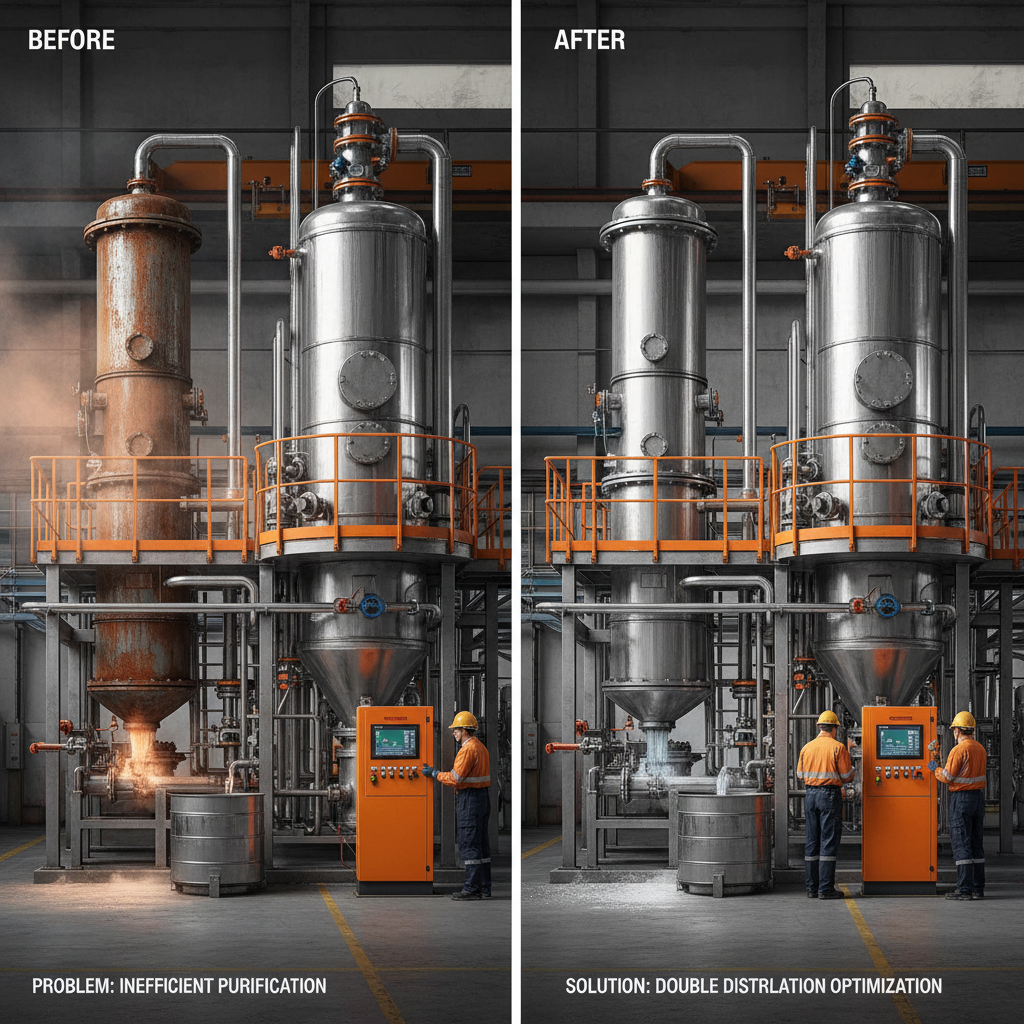
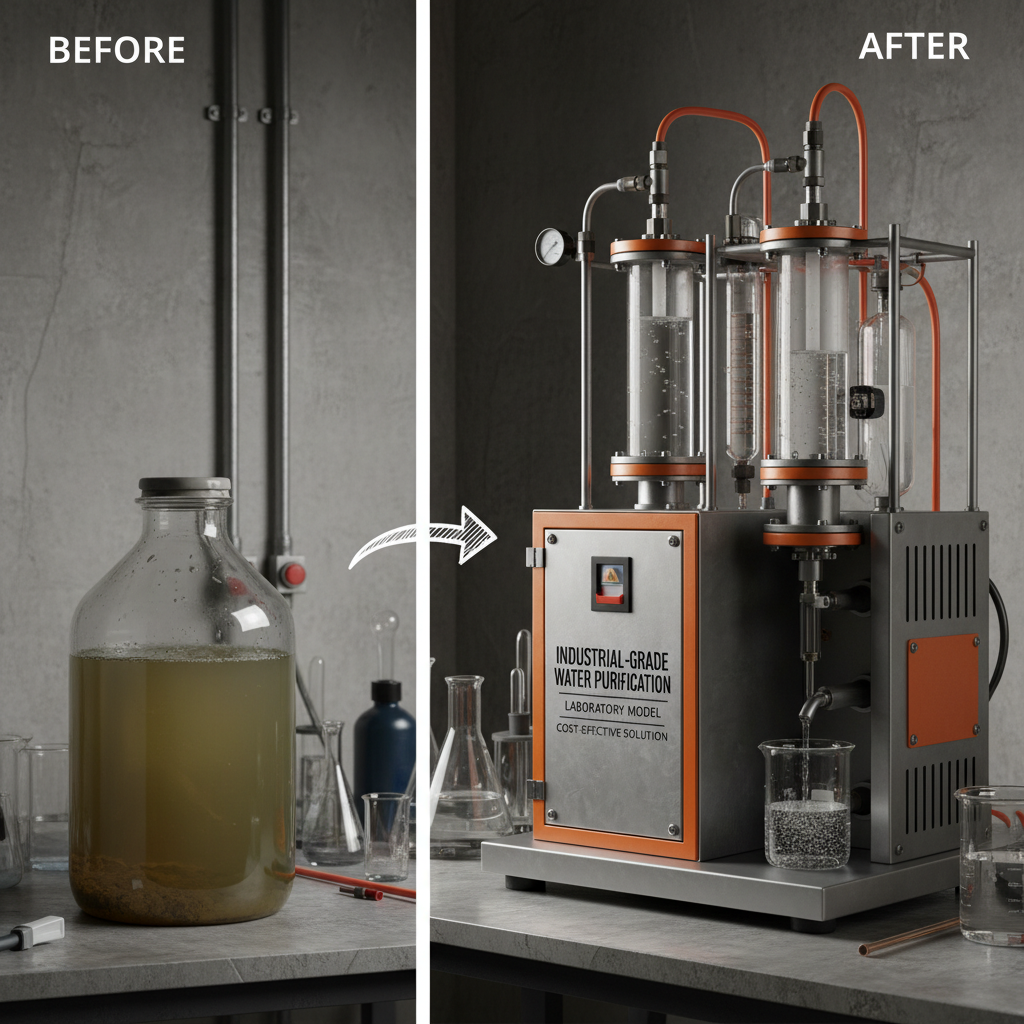
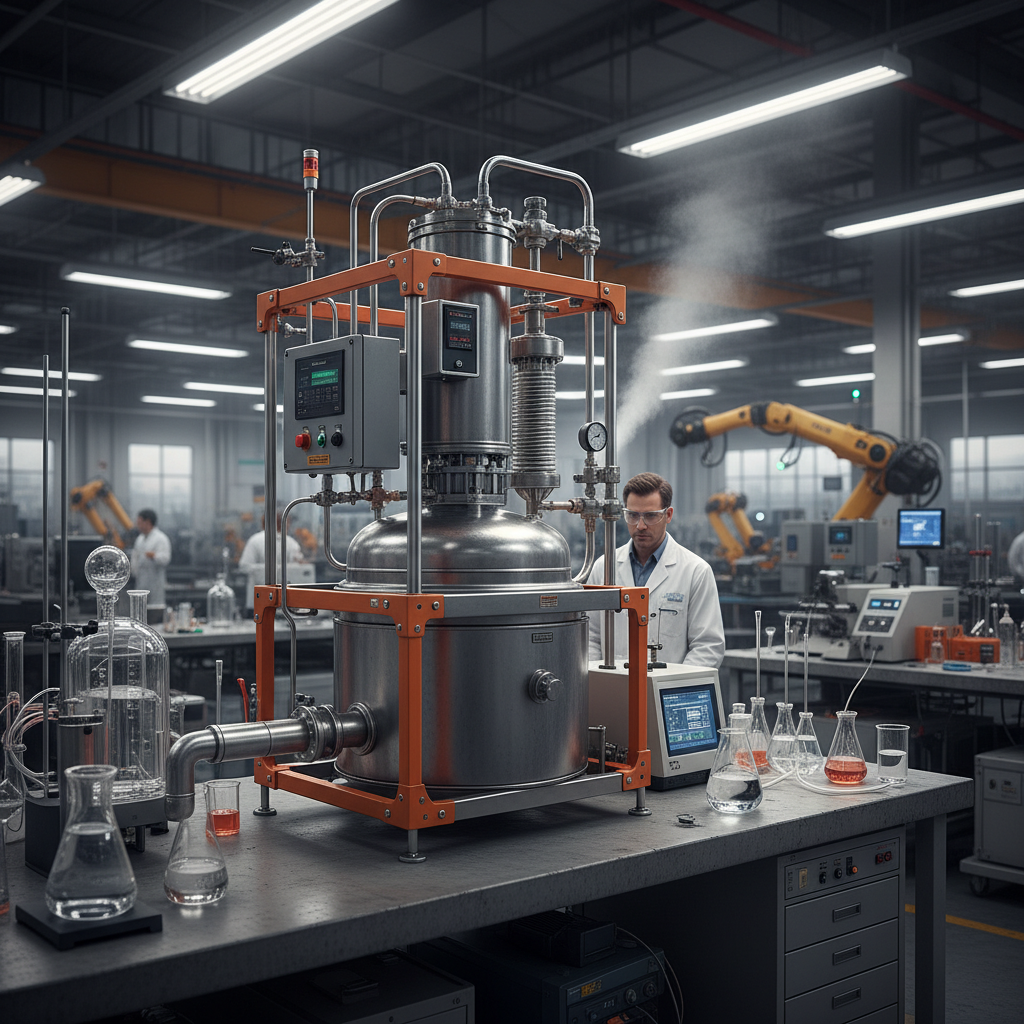
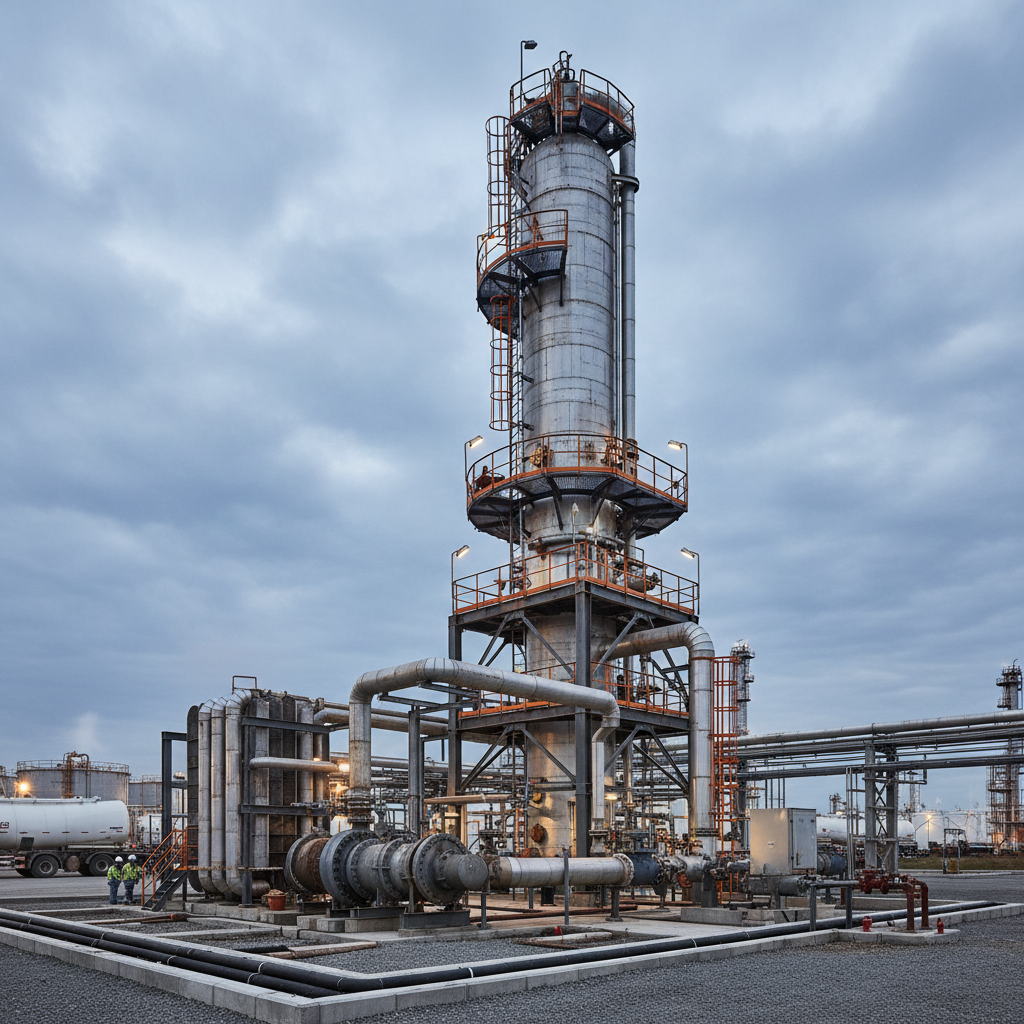
The double distillation unit is a critical piece of equipment used in various industries, notably oil testing and refining, for precise separation of hydrocarbons. This process is fundamental to determining the boiling point range of petroleum products, a key indicator of their quality and composition. Understanding the characteristics revealed by a double distillation unit is crucial for ensuring product standards, optimizing refining processes, and maintaining the performance of machinery reliant on specific oil properties.
Globally, the demand for accurate and reliable oil analysis is constantly increasing, driven by stricter environmental regulations, the need for optimized energy efficiency, and the increasing complexity of modern lubricants and fuels. The double distillation unit provides the necessary precision for meeting these demands. Its role extends from routine quality control in refineries to forensic analysis in identifying fuel adulteration and understanding the causes of equipment failure.
Investing in a high-quality double distillation unit translates directly to enhanced product quality, reduced operational costs through optimized maintenance schedules, and minimized environmental impact. It is an indispensable tool for any organization involved in the production, distribution, or use of petroleum products.
Introduction to Double Distillation Units
A double distillation unit is a sophisticated laboratory apparatus designed to perform fractional distillation twice in succession. This process allows for the extremely precise separation of different hydrocarbon components within a petroleum product based on their boiling points. The first distillation provides a broad separation, while the second refines this separation, offering significantly enhanced accuracy and resolution.
This technique is especially important for determining the distillation range of crude oil and its refined products, such as gasoline, kerosene, and diesel fuel. The distillation range provides crucial information about the fuel's volatility, combustion characteristics, and overall quality, ensuring it meets stringent industry standards and performs optimally in various applications.
The Principles of Double Distillation
The core principle behind double distillation lies in the differing boiling points of various hydrocarbon components. When a mixture is heated, the component with the lowest boiling point will vaporize first. This vapor is then condensed and collected separately. The double distillation process repeats this with the collected fractions, resulting in even purer separations.
Crucially, the efficiency of the distillation process is influenced by several factors, including the heating rate, the column packing (if any), and the temperature gradient within the distillation column. Optimizing these parameters is essential to achieve the desired degree of separation. The unit's accurate temperature control and precise collection methods are fundamental to its effectiveness.
The data obtained from a double distillation unit isn’t just about identifying components; it’s about quantifying them. By analyzing the volume of each collected fraction, technicians can create a distillation curve, which is a graphical representation of the distillation process and a vital component of quality control.
Key Components and Their Functionality
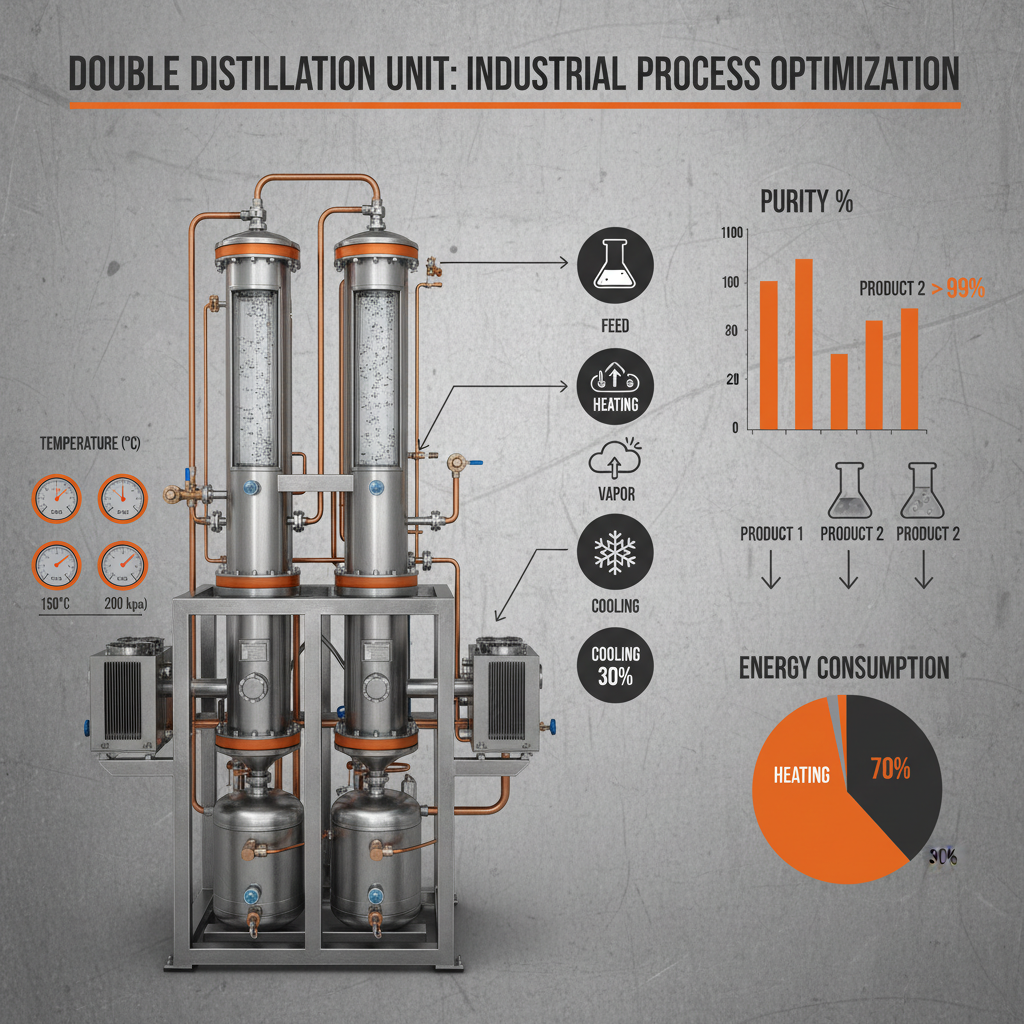
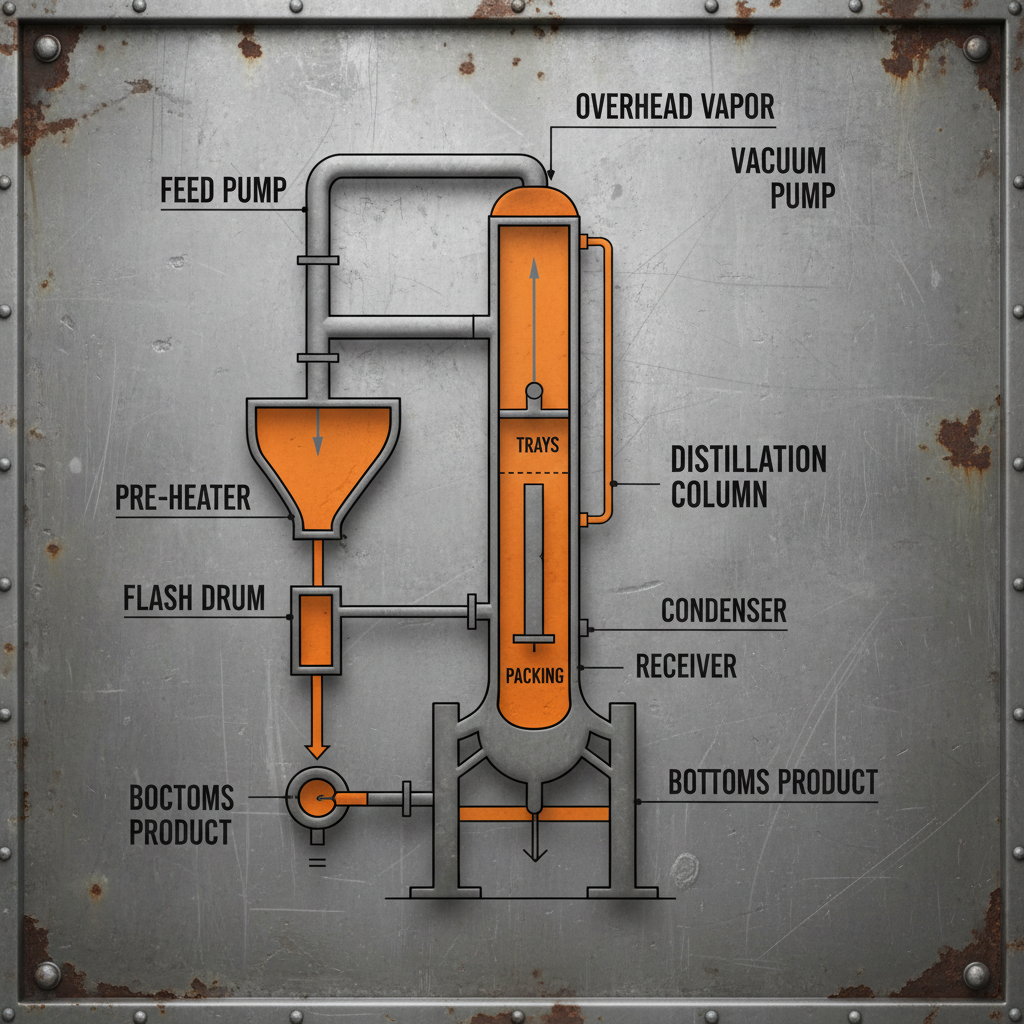
A typical double distillation unit comprises several essential components. These include a heating mantle for controlled heating of the sample, a distillation flask to hold the oil being analyzed, a fractionation column (often packed with glass beads or rings) to enhance separation, a condenser to convert vapors back into liquid, and a receiving flask to collect the separated fractions. Accurate thermometers and precise volume measurement capabilities are also critical.
The fractionation column is particularly important. Its packing provides a large surface area for vapor condensation and re-evaporation, promoting a more efficient separation process. The efficiency of the column depends heavily on the type and quality of the packing material used. Effective temperature control throughout the system is also paramount – maintaining a consistent temperature gradient is key to optimal performance.
Beyond the core components, advanced double distillation units often incorporate automated temperature control, data logging capabilities, and sophisticated cooling systems to ensure precise and reproducible results. These advancements are vital for modern laboratories demanding high accuracy and data traceability.
Applications Across Industries
The double distillation unit’s application extends beyond simply refining petroleum products. In the petrochemical industry, it’s used for characterizing feedstocks and monitoring the quality of various chemical intermediates. The precise data obtained is used to optimize production processes and ensure product consistency.
Furthermore, the unit plays a vital role in environmental monitoring, analyzing fuel samples for contaminants and determining compliance with environmental regulations. In research and development, it’s an invaluable tool for studying the properties of different hydrocarbon mixtures and developing new fuel formulations.
Double Distillation Unit Applications by Industry
Advantages of Utilizing Double Distillation
The primary advantage of employing a double distillation unit is the unparalleled accuracy it provides in separating and analyzing hydrocarbon mixtures. This level of precision is often unattainable with simpler distillation techniques. This accuracy directly translates into more reliable quality control, improved product consistency, and reduced risk of operational issues.
Furthermore, the detailed distillation curve generated by the unit provides a wealth of information about the sample's composition, allowing for a deeper understanding of its properties and behavior. This is critical for troubleshooting problems, optimizing processes, and developing new products.
Future Trends in Distillation Technology
The future of distillation technology is leaning towards automation and integration with data analytics. Expect to see more double distillation units equipped with robotic sample handling, automated data logging, and cloud connectivity for remote monitoring and analysis.
Another emerging trend is the use of microfluidic distillation systems, which offer even greater precision and control for analyzing extremely small samples. These advancements will be crucial for accelerating research and development in areas like biofuels and advanced lubricants.
Sustainability is also driving innovation, with a focus on developing more energy-efficient distillation processes and utilizing environmentally friendly solvents. This reflects a broader commitment to responsible laboratory practices and reducing the environmental impact of scientific research.
Challenges and Solutions in Double Distillation
Despite its advantages, double distillation can present certain challenges. Maintaining consistent temperature control throughout the process can be difficult, especially with complex samples. Additionally, accurately collecting and measuring the separated fractions requires skilled technicians and calibrated equipment.
Solutions to these challenges include investing in advanced temperature control systems, implementing rigorous calibration procedures, and providing comprehensive training for laboratory personnel. Automated data logging and analysis tools can also help to minimize errors and improve the reliability of results.
Furthermore, ongoing research is focused on developing new column packing materials and distillation techniques that can further enhance separation efficiency and reduce energy consumption, addressing some of the inherent limitations of traditional double distillation methods.
Summary of Common Challenges and Proposed Solutions for Double Distillation
| Challenge |
Impact on Results |
Proposed Solution |
Implementation Cost (1-10) |
| Temperature Instability |
Inaccurate Fractionation |
Automated Temperature Control System |
7 |
| Manual Fraction Collection |
Potential for Human Error |
Automated Fraction Collectors |
6 |
| Column Packing Degradation |
Reduced Separation Efficiency |
Regular Column Repacking & Cleaning |
4 |
| Sample Viscosity Variations |
Inconsistent Flow Rates |
Precise Sample Preparation Techniques |
3 |
| Calibration Drift of Instruments |
Inaccurate Temperature Readings |
Regular Instrument Calibration |
5 |
| Lack of Operator Training |
Suboptimal Process Control |
Comprehensive Training Programs |
4 |
FAQS
The turnaround time for a double distillation analysis generally ranges from 2 to 4 hours, depending on the complexity of the sample and the level of detail required. Sample preparation usually takes around 30-60 minutes, followed by the distillation process itself which can last between 1-2 hours. Data analysis and report generation adds another 30-60 minutes to the total time. Factors like sample viscosity and the number of fractions collected can affect the overall duration.
Double distillation is ideally suited for analyzing crude oil, gasoline, kerosene, diesel fuel, lubricating oils, and other petroleum-based products. It excels in determining the boiling point range and composition of these complex mixtures. It's less effective for samples with very high boiling points or those containing non-volatile components. Prior sample preparation may be needed for certain substances to optimize the process and ensure accurate results.
Double distillation significantly enhances accuracy compared to single distillation. The second distillation step refines the separation of hydrocarbon components, resulting in sharper fractions and a more precise boiling point range determination. Single distillation is often sufficient for basic quality control, but double distillation is essential when high accuracy and detailed compositional analysis are required. The broader separation is far less defined with single distillation.
Rigorous quality control measures are vital. This includes regular calibration of the temperature sensors and volume measurement devices, using certified reference materials to verify the accuracy of the process, maintaining a clean and well-maintained apparatus, and ensuring that the operator is thoroughly trained. Implementing standard operating procedures (SOPs) and documenting all steps of the analysis are also crucial for ensuring reproducibility and data integrity.
While double distillation primarily focuses on separating and quantifying known components, it can provide clues about the presence of unknown contaminants. Anomalies in the distillation curve or the detection of unusual fractions can indicate contamination. However, further analysis using techniques like gas chromatography-mass spectrometry (GC-MS) is typically required for definitive identification of unknown substances.
Column packing plays a critical role in enhancing the separation efficiency of the distillation process. It provides a large surface area for vapor condensation and re-evaporation, allowing for a more complete separation of components based on their boiling points. Different packing materials, such as glass beads or rings, offer varying levels of efficiency and are chosen based on the specific application and the nature of the sample being analyzed. The quality and condition of the packing material directly impacts the accuracy of the results.
Conclusion
In conclusion, the double distillation unit remains an indispensable tool for the accurate characterization of petroleum products and other hydrocarbon mixtures. Its ability to provide precise separation and detailed compositional analysis is critical for ensuring product quality, optimizing industrial processes, and meeting stringent regulatory requirements. From refining operations to environmental monitoring and research, the insights gained from this technique are vital across a broad spectrum of industries.
Looking ahead, the integration of automation, data analytics, and advanced materials will continue to enhance the capabilities of double distillation units. Investing in modern equipment, coupled with comprehensive operator training and rigorous quality control, will be essential for maximizing the value of this technology and ensuring its continued relevance in the evolving landscape of energy and chemical analysis. For more information on our range of oil testing equipment, including double distillation units, please visit our website: double distillation unit.
 English