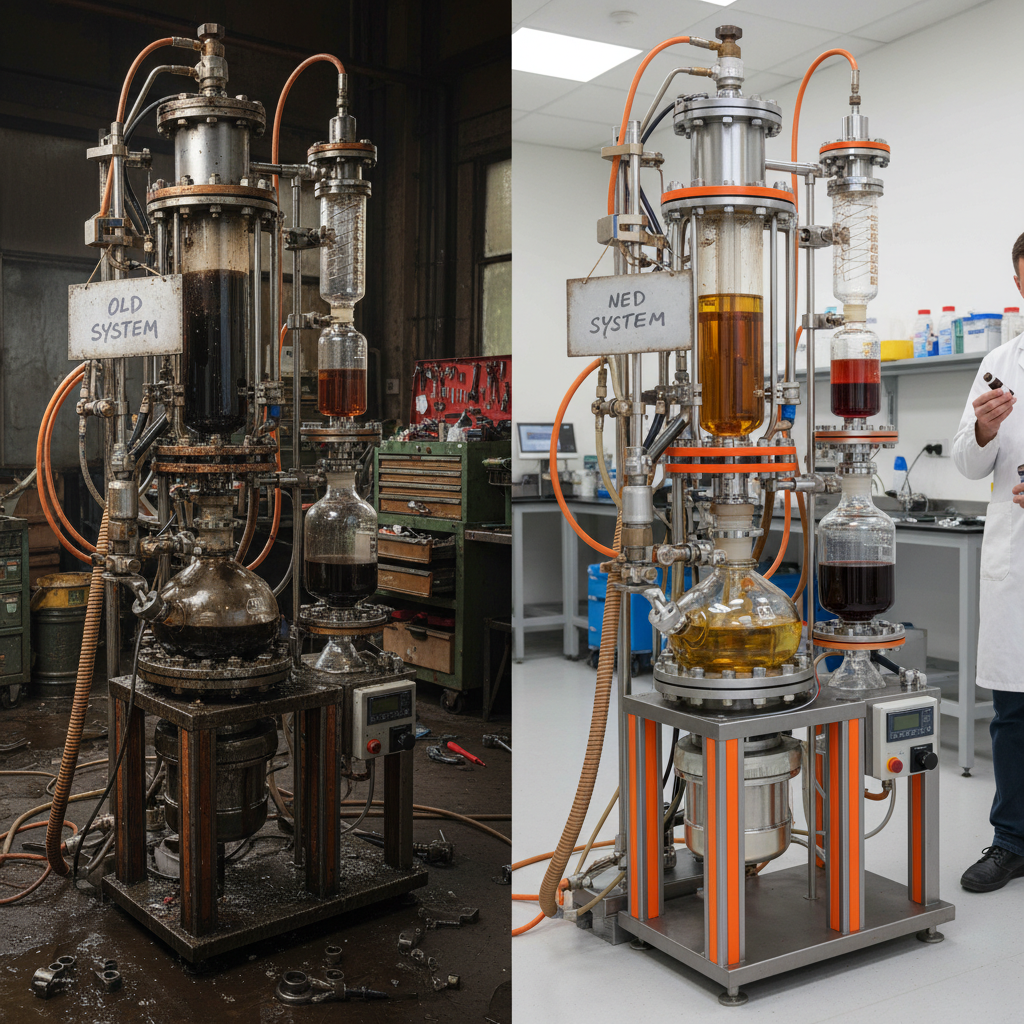
In the sophisticated landscape of petrochemical analysis and fuel quality control, the distillation device serves as a cornerstone for determining the volatility and boiling range of petroleum products. By precisely separating components of a liquid mixture based on their boiling points, these instruments provide critical data that dictate how a fuel will perform in an engine, its ignition quality, and its overall safety profile. Understanding the mechanics of distillation is not merely a technical requirement but a global necessity for maintaining energy efficiency and reducing environmental emissions.
From a global industrial perspective, the standardization of distillation processes—governed by bodies such as ASTM and ISO—ensures that a gallon of gasoline in Asia performs identically to one in North America. The ability of a high-precision distillation device to pinpoint the "initial boiling point" and "final boiling point" allows engineers to optimize combustion cycles and prevent premature ignition or carbon buildup in high-performance machinery.
However, the industry faces ongoing challenges, including the need for higher automation to reduce human error and the demand for more sustainable, energy-efficient heating methods. As we transition toward bio-fuels and synthetic blends, the role of the modern distillation device evolves from a simple laboratory tool into a critical validator of next-generation energy carriers, ensuring that new fuels meet the rigorous demands of modern infrastructure.
Global Relevance of the Distillation Device
The global energy sector relies heavily on the precision of the distillation device to regulate the quality of refined products. According to international standards like ISO 9001, the consistency of chemical analysis is paramount for trade and safety. In regions with vast oil reserves, such as the Middle East and North America, these devices are the gatekeepers of fuel specifications, ensuring that kerosene, diesel, and gasoline meet the specific volatility requirements for aviation and automotive use.
Furthermore, the economic impact of inaccurate distillation readings can be staggering. A slight deviation in the boiling range can lead to engine knocking or inefficient fuel consumption across millions of vehicles, resulting in increased CO2 emissions. Therefore, the adoption of advanced, automated distillation systems is no longer an option but a requirement for refineries aiming to hit net-zero targets while maintaining operational profitability.
Defining the Modern Distillation Device
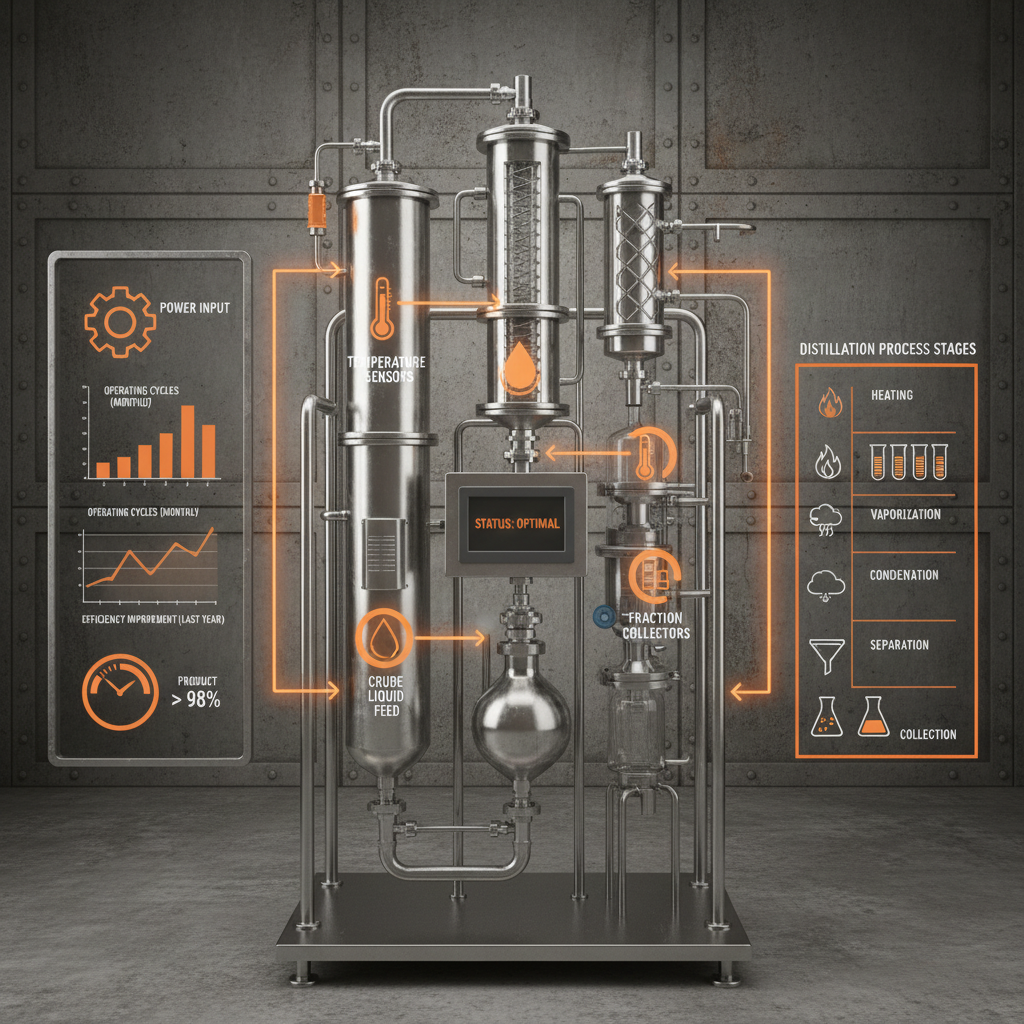
In simple terms, a distillation device is a laboratory instrument designed to separate a liquid mixture into its individual components by utilizing the difference in their boiling points. The process involves heating the sample in a flask, allowing the more volatile components to vaporize first, which are then condensed back into liquid form and collected in a graduated cylinder. This "distillation curve" provides a chemical fingerprint of the substance.
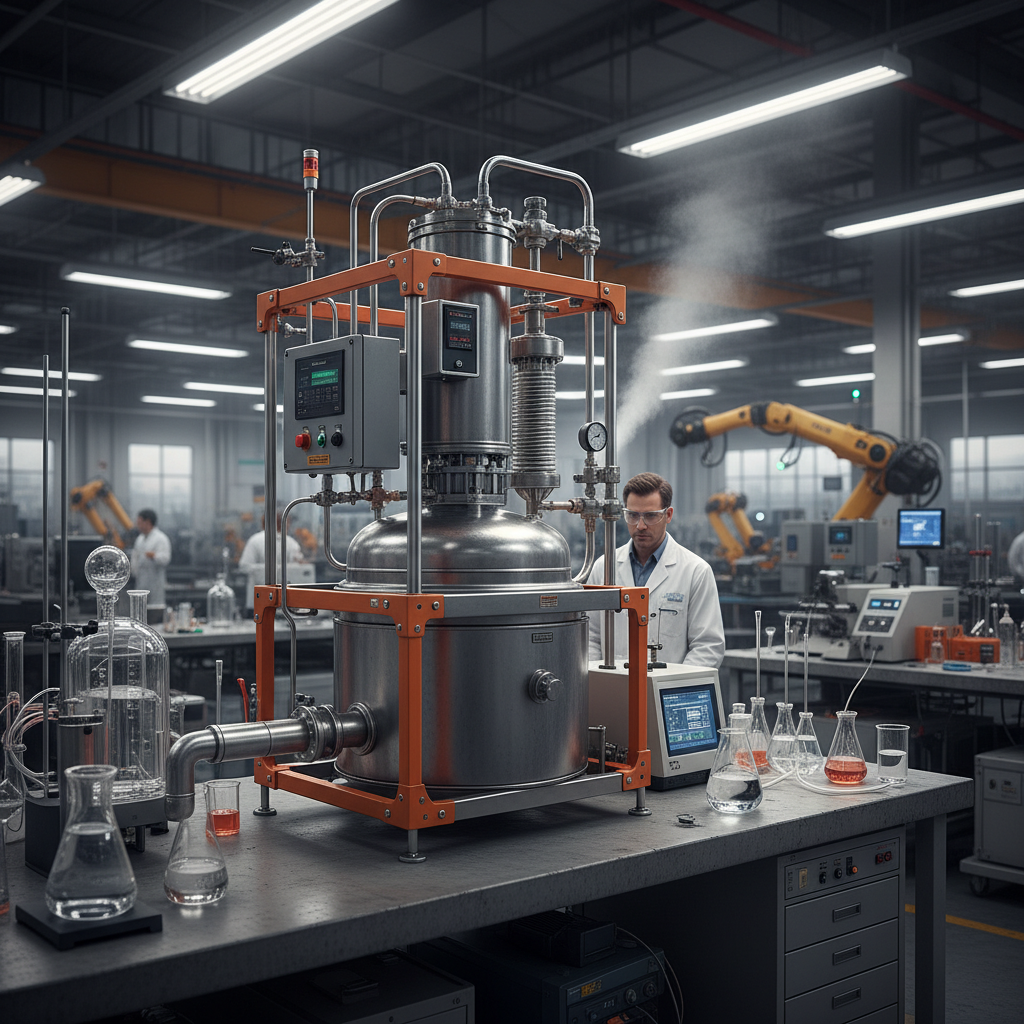
Beyond the basic chemistry, modern devices integrate digital sensors and automated controllers to eliminate the volatility associated with manual heating. By automating the temperature ramp-rate and the collection process, the modern instrument removes the "human element," ensuring that results are reproducible across different laboratories worldwide. This transition from glassware-centric setups to integrated electronic systems marks a significant leap in industrial precision.
Connecting this to humanitarian and environmental needs, these devices are essential in identifying contaminants in groundwater or purifying essential oils for pharmaceutical use. Whether it is refining high-grade medical alcohols or verifying the purity of bio-diesel, the core principle of the distillation device remains the primary method for ensuring that the materials we rely on are safe and effective.
Core Components and Engineering Factors
The effectiveness of a distillation device is determined by its thermal stability. A high-quality heating mantle must provide uniform heat distribution to prevent "bumping" or localized overheating, which can degrade the sample and skew the boiling point results. Precision temperature probes are integrated into the system to monitor the vapor temperature in real-time, ensuring the data reflects the true state of the substance.
Another critical factor is the efficiency of the condensation system. The distillation device utilizes a cooling condenser to rapidly return vapor to a liquid state. If the cooling is insufficient, volatile components may escape into the atmosphere, leading to an underestimation of the volume recovered and a failure to meet ASTM standards for mass balance.
Finally, material durability and chemical resistance are paramount. Since these devices often handle corrosive hydrocarbons or acidic mixtures, the use of borosilicate glass and high-grade stainless steel prevents contamination. Scalability also plays a role; while laboratory units focus on micro-samples for quality control, industrial-scale devices are engineered for throughput, maintaining the same precision while processing significantly larger volumes.
Industrial Applications and Global Use Cases
In the real world, the distillation device is deployed across diverse sectors. In the aerospace industry, it is used to verify the flash point and boiling range of jet fuel, where a mistake in volatility could lead to catastrophic failure at high altitudes. In remote industrial zones, such as offshore oil rigs, portable distillation units allow for immediate on-site testing, reducing the need to transport hazardous samples to mainland labs.
Beyond oil and gas, the device is pivotal in the fragrance and flavor industry. Essential oil extraction relies on steam distillation to isolate aromatic compounds without destroying them through excessive heat. From the lavender fields of France to the spice markets of India, the precision of these devices ensures that the final product retains its chemical integrity and olfactory profile.
Performance Efficiency of Distillation Device Methods
Long-Term Value and Operational Advantages
Investing in a professional-grade distillation device offers tangible long-term value through waste reduction and regulatory compliance. By accurately identifying the composition of a fuel blend, refineries can avoid "over-processing," which saves massive amounts of energy and reduces the operational costs of the distillation column. This logical approach to efficiency directly translates into higher profit margins.
From an emotional and safety perspective, the reliability of these instruments builds trust. When a technician confirms the volatility of a fuel using a calibrated device, they are ensuring the safety of thousands of commuters and pilots. This peace of mind, coupled with the innovation of automated reporting, allows labs to operate with a level of dignity and confidence, knowing that their data is unimpeachable and their processes are sustainable.
Future Trends in Distillation Technology
The future of the distillation device is inextricably linked to the digital transformation of the laboratory. We are seeing the rise of "Smart Distillation," where AI-driven algorithms predict the boiling curve in real-time and adjust heating parameters dynamically to save energy. This integration of IoT allows managers to monitor multiple distillation tests across different global sites from a single dashboard.
Sustainability is another driving force. New materials, such as graphene-coated heating elements, are being explored to increase thermal conductivity and reduce the time required for a test to complete. Furthermore, there is a shift toward "Green Distillation," utilizing closed-loop water cooling systems to eliminate the waste of thousands of gallons of cooling water typically used in traditional condensers.
Finally, the push toward carbon neutrality is encouraging the development of devices specifically tuned for bio-fuels and hydrogen-carrier liquids. These new substances have different volatility profiles than traditional crude oil, necessitating a new generation of distillation device models that can handle higher pressures and more complex chemical interactions without compromising precision.
Overcoming Technical Challenges in Distillation
Despite technological leaps, certain limitations persist. One of the most common challenges is the "thermal lag," where the temperature of the heating element does not perfectly align with the temperature of the liquid sample. To solve this, expert engineers are implementing multi-point sensor arrays that provide a weighted average of the sample temperature, ensuring the boiling point is recorded at the exact moment of vaporization.
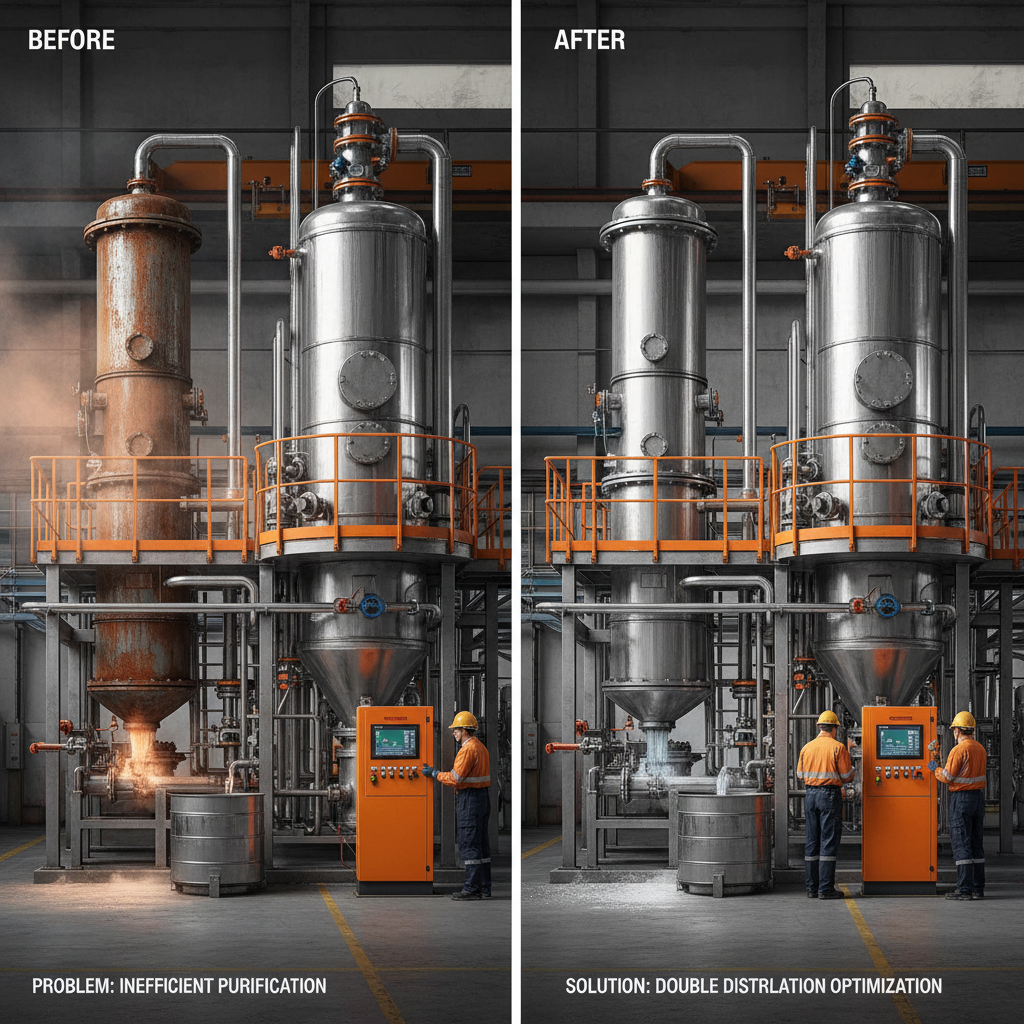
Another hurdle is the degradation of samples during prolonged heating. Some complex hydrocarbons undergo "cracking" or chemical changes if held at high temperatures for too long. The solution lies in the adoption of vacuum distillation, which lowers the boiling point of the substance, allowing for separation at much lower temperatures and preserving the chemical integrity of the sample.
Lastly, the industry struggles with the manual transcription of data. The implementation of direct-to-cloud data logging within the distillation device solves this by automatically generating ASTM-compliant reports. This eliminates clerical errors and allows for a seamless audit trail, which is essential for ISO certification and international trade disputes.
Comparison of Distillation Device Specifications and Performance
| Device Type |
Accuracy Level |
Energy Efficiency |
Automation Grade |
| Manual Glassware Set |
Moderate (6/10) |
Low (4/10) |
None |
| Digital Thermal Device |
High (8/10) |
Moderate (6/10) |
Partial |
| Fully Auto System |
Extreme (10/10) |
High (9/10) |
Full |
| Vacuum Distiller |
High (9/10) |
Moderate (7/10) |
High |
| Micro-Fluidic Device |
High (8/10) |
Extreme (10/10) |
Full |
| Industrial Column |
Moderate (7/10) |
Low (5/10) |
Integrated |
FAQS
Automated systems eliminate human error in temperature control and volume recording. By using precise PID controllers to maintain the heating ramp and digital sensors to trigger the collection of fractions, these devices ensure that the distillation curve is generated consistently, regardless of the operator's experience level, meeting strict ASTM D86 standards.
Yes, the fundamental principle of boiling point separation is applicable to any liquid mixture. Distillation devices are widely used in the pharmaceutical industry for solvent recovery, in the food industry for alcohol purification, and in environmental science for the analysis of water contaminants and essential oil extraction.
Atmospheric distillation occurs at standard pressure, while vacuum distillation reduces the internal pressure of the device. This lowers the boiling points of the components, which is critical for heat-sensitive substances that would otherwise decompose or "crack" at their normal boiling temperatures.
To maintain ISO and ASTM compliance, calibration should be performed at least once a year or after any major component replacement. Regular checks using standard reference materials (such as certified boiling point liquids) ensure that the temperature probes and volume measurements remain accurate.
Traditionally, yes, as it requires constant heating. However, modern distillation devices utilize high-efficiency induction heating and closed-loop cooling systems to significantly reduce energy consumption and water waste, making the process more sustainable for large-scale laboratory operations.
Safety is paramount due to the presence of flammable vapors and high heat. Operators must ensure the device is used in a well-ventilated fume hood, use spark-proof heating elements, and never distill a sample to complete dryness, which could lead to the concentration of unstable peroxides or explosive residues.
Conclusion
The distillation device remains an indispensable tool in the realm of material science and fuel quality control. By bridging the gap between raw chemical properties and practical performance data, it ensures that global energy standards are met, engines operate efficiently, and industrial processes remain safe. From the basic principles of thermal separation to the cutting-edge integration of AI and vacuum technology, the evolution of these instruments reflects a broader industrial commitment to precision, safety, and sustainability.
Looking forward, the shift toward greener energy and synthetic fuels will only increase the demand for more sophisticated analytical equipment. We encourage laboratories and refineries to upgrade to automated, energy-efficient systems to future-proof their operations and ensure the highest levels of accuracy. For those seeking state-of-the-art solutions in fuel testing and chemical analysis, we invite you to explore our professional range. Visit our website: www.oiltestequip.com
 English