In the precision-driven world of laboratory analysis, the purity of solvent water is not merely a preference but a fundamental requirement for accuracy. When researching the water distillation unit for laboratory price, procurement managers and lab technicians must balance the initial capital expenditure against the long-term cost of contaminated results. High-purity water serves as the backbone for countless chemical reactions and instrument calibrations, making the selection of the right distillation system a critical decision for any facility.
Globally, the demand for reliable water purification is surging as ISO standards for laboratory environments become more stringent. Whether it is for pharmaceutical research or electrical insulation testing, the variance in water distillation unit for laboratory price often reflects the difference between simple boiling apparatuses and advanced multi-stage distillation systems. Understanding these price drivers allows laboratories to optimize their budgets without compromising the integrity of their scientific output.
The challenge for many modern labs is navigating the complex landscape of purification technologies—ranging from basic distillation to deionization and reverse osmosis. By analyzing the water distillation unit for laboratory price in the context of operational throughput and purity requirements, organizations can implement a sustainable water strategy. This guide explores the economic and technical factors that influence these costs and how to choose a unit that provides the best return on investment.
Global Market Context of Water Distillation Pricing
The global market for laboratory water purification is characterized by a shift toward automated, energy-efficient systems. As emerging economies invest heavily in healthcare and industrial testing, the volatility of the water distillation unit for laboratory price is often tied to the cost of high-grade borosilicate glass and corrosion-resistant stainless steel. International standards, such as those set by the ASTM or ISO, dictate the purity levels required, which in turn drives the technological complexity and pricing of these units.
Furthermore, the integration of "smart" sensors and auto-cutoff mechanisms has introduced a new pricing tier. Laboratories are no longer just buying a boiling flask; they are investing in precision instruments that minimize water waste and electrical consumption. This transition from manual to intelligent systems has redefined what a "competitive" price looks like in the current industrial landscape.
Defining the Laboratory Water Distillation Unit
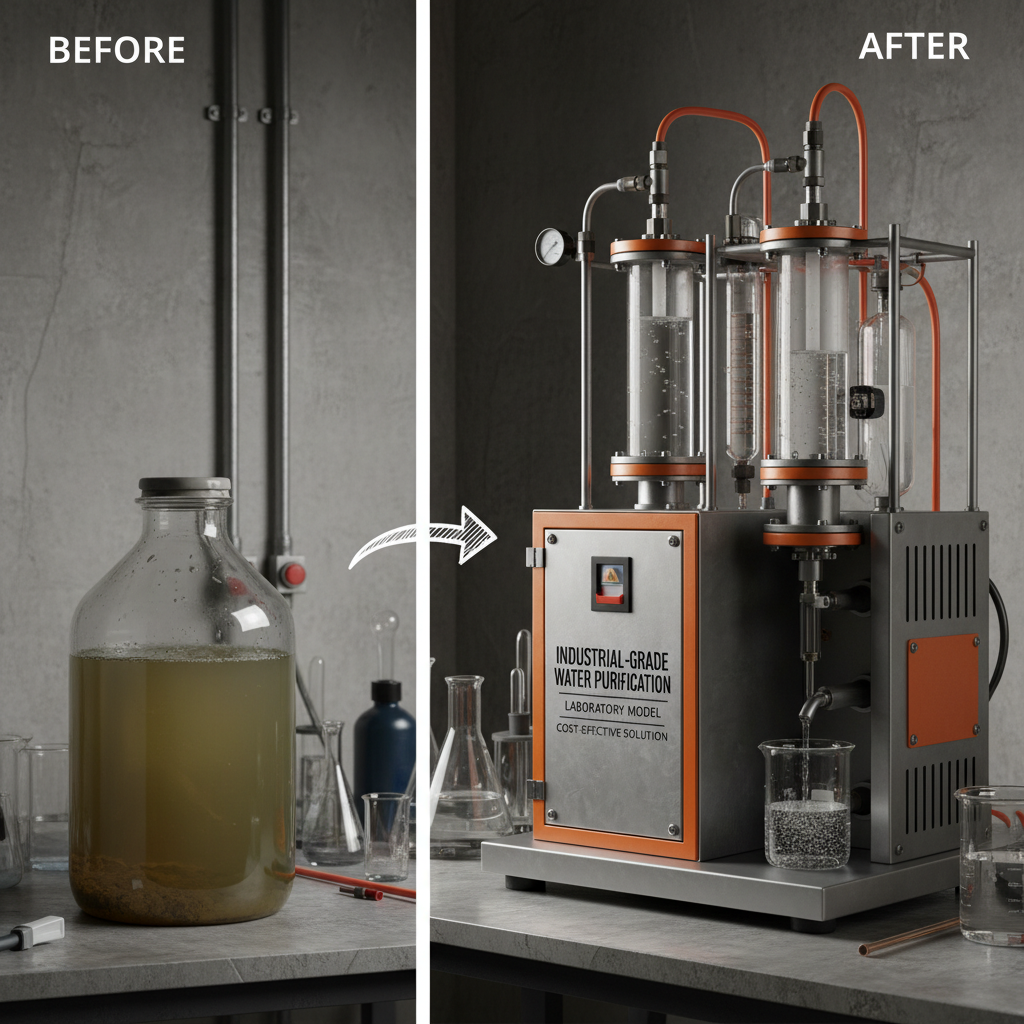
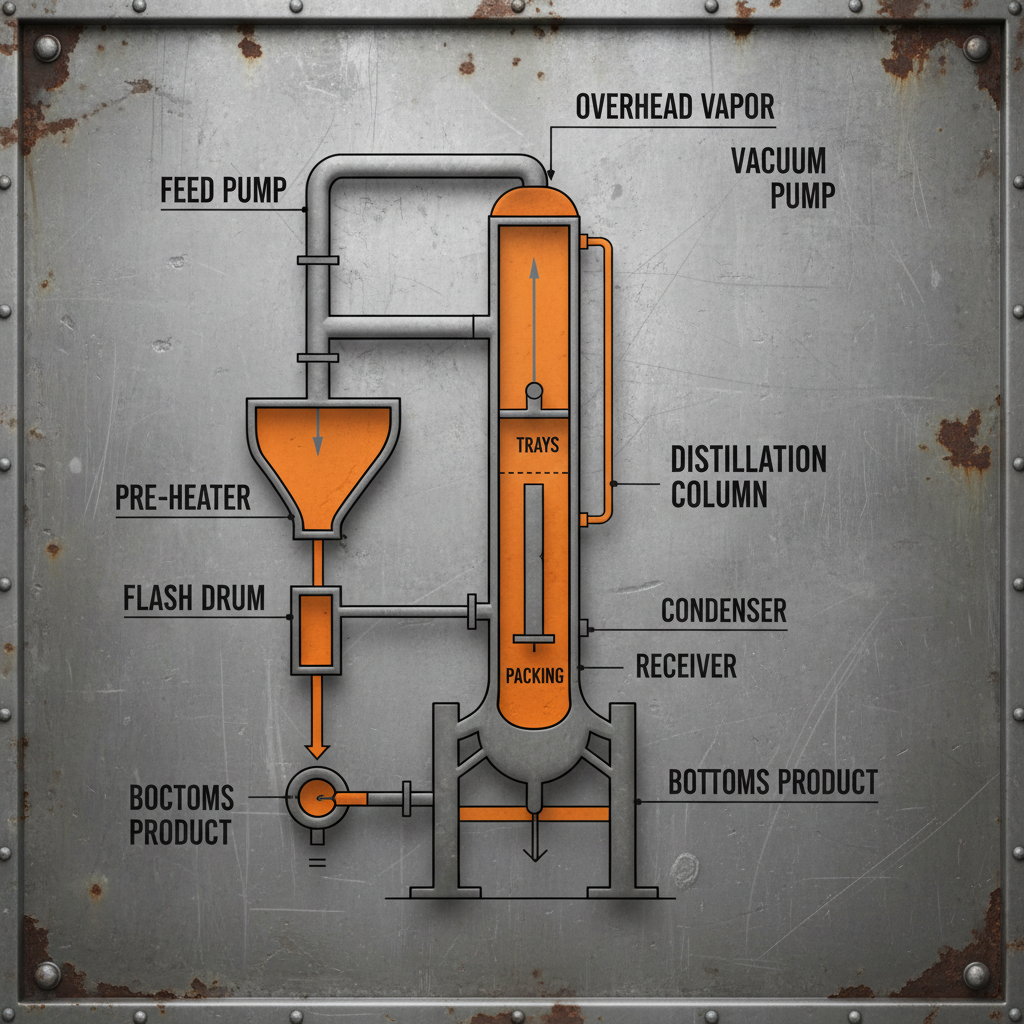
At its core, a laboratory water distillation unit is a specialized piece of equipment designed to purify water by heating it to a boil and condensing the resulting steam back into a liquid. This process effectively separates pure H2O from non-volatile contaminants, such as minerals, salts, and organic impurities. When evaluating the water distillation unit for laboratory price, it is important to distinguish between simple distillation and fractional distillation, as the latter offers a much higher degree of purity.
In modern industrial contexts, these units are indispensable for the preparation of reagents, the cleaning of sensitive glassware, and the operation of analytical instruments. For example, in the manufacturing of electrical testing equipment, using distilled water is crucial to prevent ion interference during conductance or resistance measurements. The relationship between the unit's capacity and its purity grade is the primary driver of the final cost.
Ultimately, the "value" of a distillation unit is measured by its ability to produce consistent, contaminant-free water reliably over thousands of cycles. A low initial price may be attractive, but if the unit suffers from frequent scaling or poor thermal efficiency, the cost per liter of water increases significantly, rendering the initial savings obsolete.
Core Components Influencing the Purchase Price
The most significant variable in the water distillation unit for laboratory price is the material of construction. High-grade borosilicate glass is preferred for its thermal shock resistance and chemical neutrality, while 316L stainless steel is used for the boiling chambers of industrial-scale units to prevent corrosion.
Energy efficiency components, such as vacuum-assisted distillation systems, can lower the boiling point of water, thereby reducing electricity costs. While these features increase the upfront water distillation unit for laboratory price, they provide a measurable reduction in monthly overhead and carbon footprint.
Finally, the inclusion of advanced automation—such as automatic water level controllers and temperature sensors—adds a layer of safety and convenience. These features prevent the unit from boiling dry, protecting the heating elements and extending the overall lifespan of the equipment.
Comparative Value Analysis of Distillation Systems
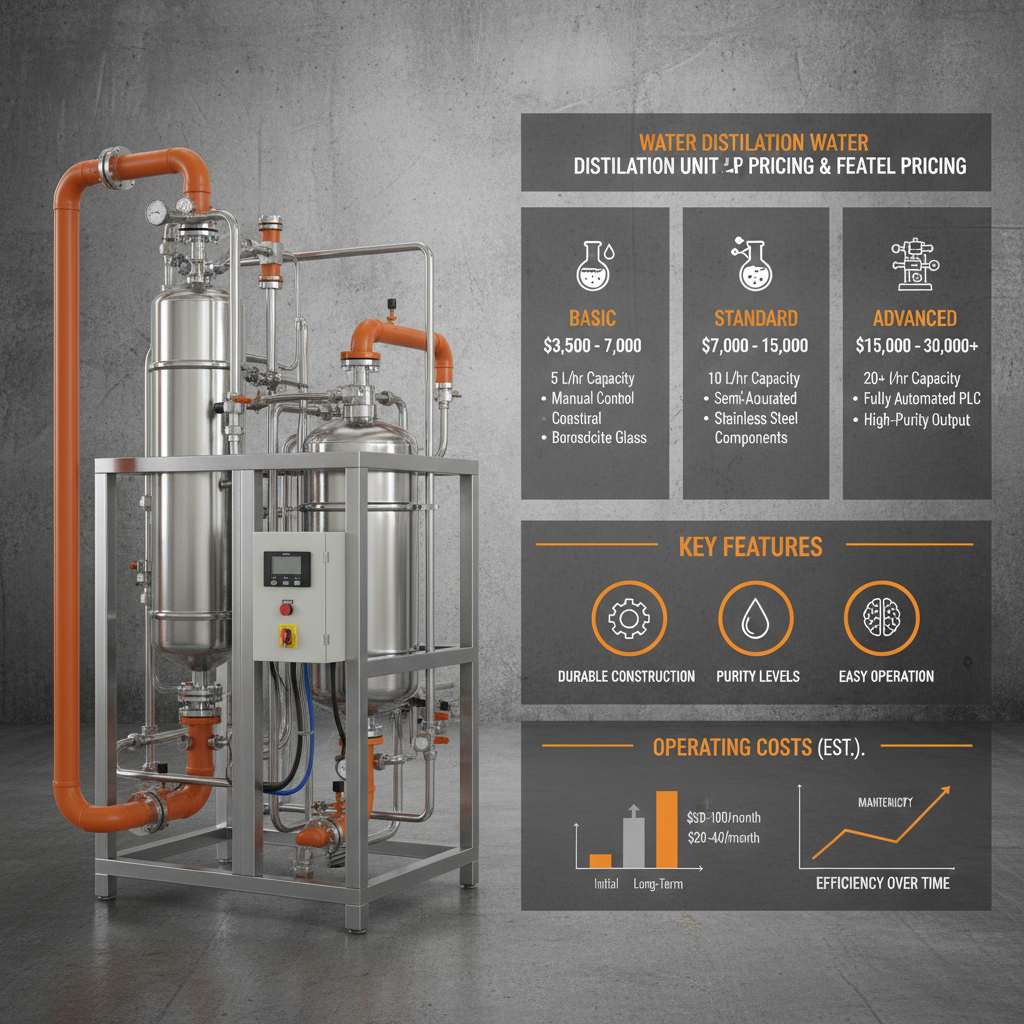
When comparing different tiers of equipment, the cost-benefit ratio becomes evident. A basic glass distiller may have a low entry price, but its limited throughput makes it unsuitable for high-volume labs. In contrast, industrial-grade units offer higher liters-per-hour rates, which lowers the operational cost per unit of water produced.
To truly understand the water distillation unit for laboratory price, one must look at the total cost of ownership (TCO), which includes energy consumption, maintenance, and the cost of replacement parts like heating coils and gaskets.
Analysis of Total Cost of Ownership by System Type
Global Applications and Use Case Scenarios
In the field of electrical power testing, distilled water is used extensively in the maintenance of Oil Tan Delta Testers and Insulation Resistance Testers. Any ionic contamination in the water used for cleaning or preparation can lead to leakage currents, which may result in false-positive readings during high-voltage tests. Consequently, the water distillation unit for laboratory price is often viewed as a necessary investment in quality assurance for power grid reliability.
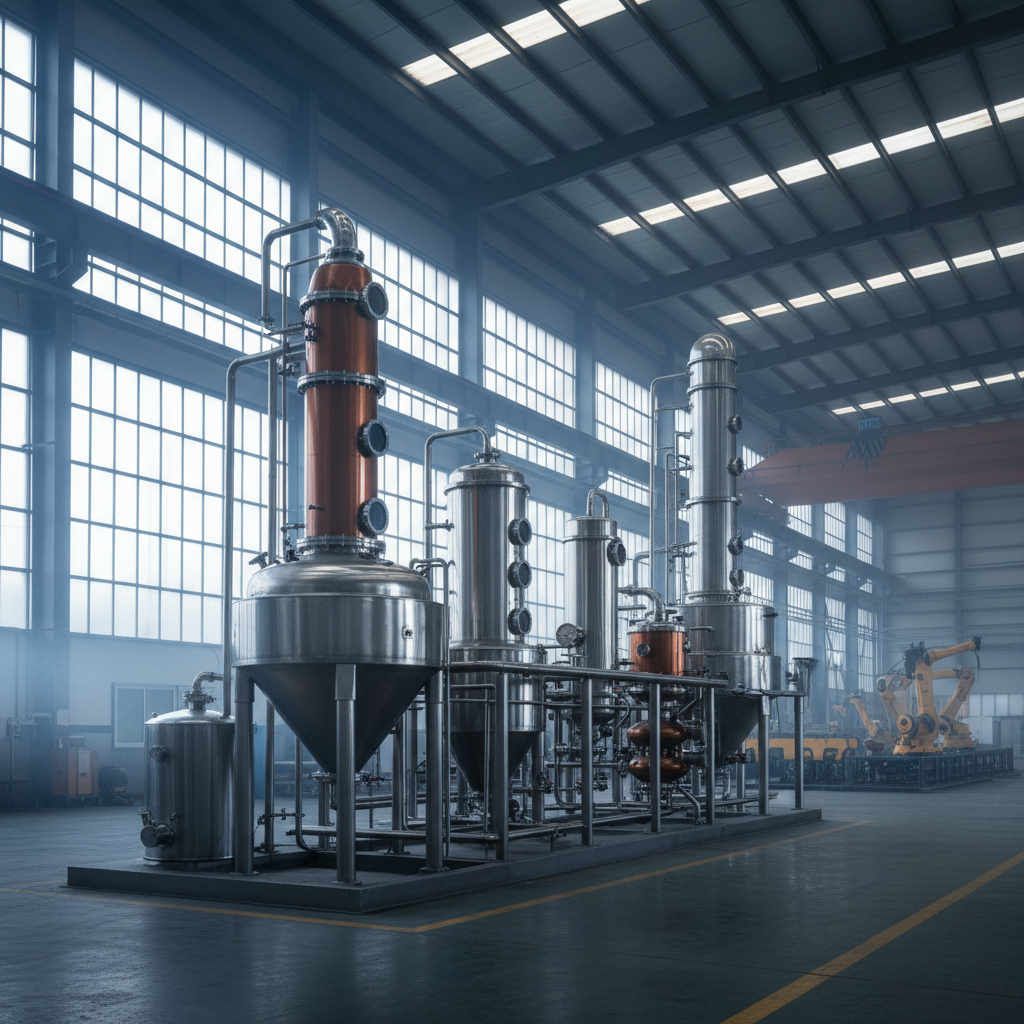
Beyond the power sector, these units are critical in remote industrial zones—such as oil refineries or mining sites—where the local municipal water supply is too hard or contaminated for direct use. In these settings, the ability to generate high-purity water on-site reduces the logistical cost of transporting bottled distilled water, making the initial equipment expenditure highly economical over time.
Long-Term Economic Advantages of High-End Units
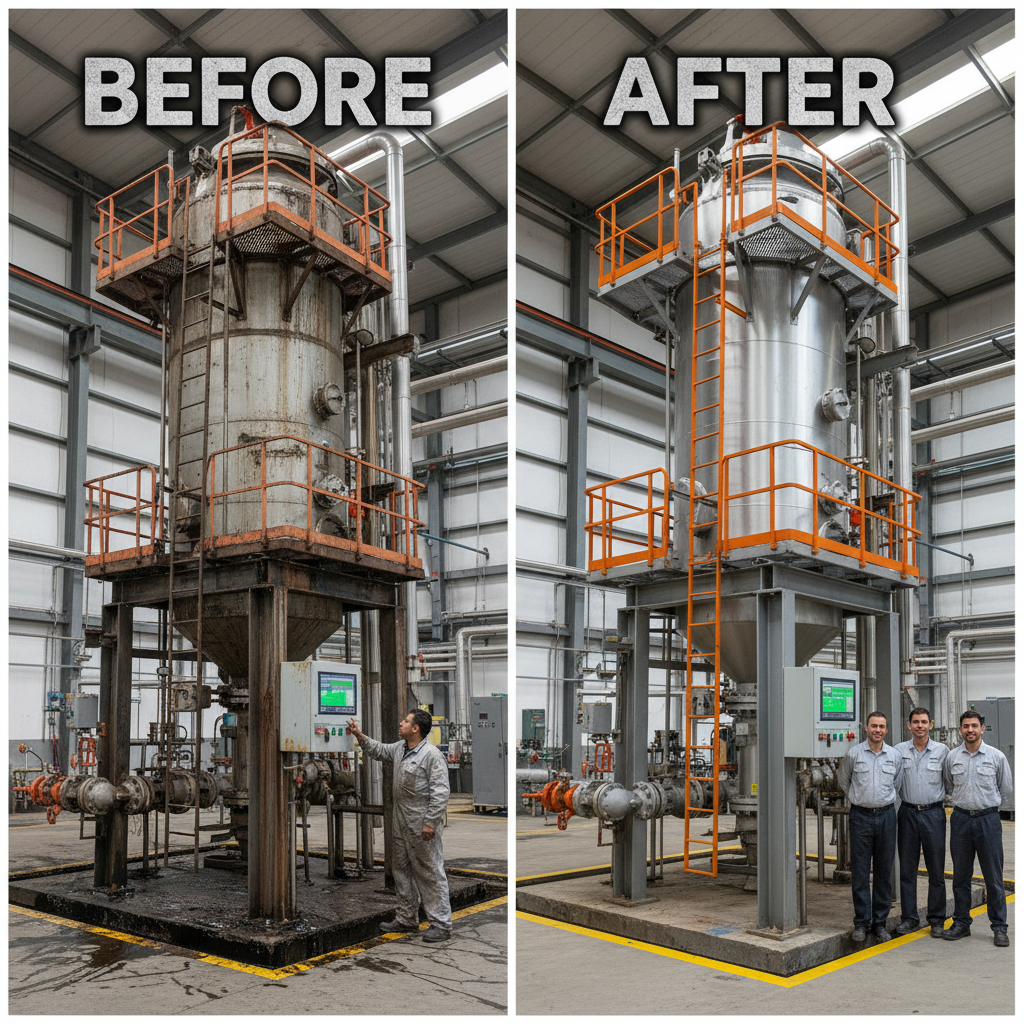
Investing in a premium water distillation unit for laboratory price often yields significant dividends in the form of reduced downtime. High-end units typically feature integrated descaling systems or are built from materials that resist mineral buildup, meaning the unit spends more time in operation and less time in maintenance.
From a sustainability perspective, modern units utilize heat recovery systems that capture energy from the condensing steam to pre-heat the incoming raw water. This innovation drastically lowers the kilowatt-hour consumption per liter, directly impacting the laboratory's operational budget and supporting green initiative certifications.
Moreover, the reliability of a high-grade distiller ensures the "dignity" of the scientific process. There is an intangible but critical value in knowing that the foundation of every experiment—the water—is consistently pure. This eliminates the need for repetitive testing caused by suspected water contamination, saving hundreds of man-hours annually.
Future Innovations in Water Purification Technology
The future of the water distillation unit for laboratory price is being shaped by the digital transformation. We are seeing the emergence of IoT-enabled distillers that can monitor water quality in real-time via conductivity sensors and alert technicians via smartphone when it is time to descale the system.
Green energy integration is another major trend. Some next-generation units are being designed to interface with solar-thermal collectors, using the sun's heat to drive the evaporation process and reducing reliance on the electrical grid. This shift not only lowers the operating cost but also makes high-purity water accessible in off-grid humanitarian or research locations.
Furthermore, the development of new nano-coatings for condenser coils is reducing the energy required for cooling, further optimizing the efficiency of these systems. As these technologies mature, the price points will likely shift, offering higher purity at lower energy costs.
Economic and Technical Comparison of Distillation Unit Tiers
| Unit Grade |
Typical Purity Level |
Energy Efficiency |
Price Index (1-10) |
| Basic Glass |
Standard Distilled |
Low |
2 |
| Professional SS |
High Purity |
Medium |
5 |
| Vacuum-Assisted |
Ultra Pure |
High |
7 |
| Multi-Stage |
Analytical Grade |
Very High |
9 |
| IoT Automated |
Precision Grade |
Optimized |
10 |
| Industrial Hybrid |
Customized |
Maximized |
8 |
FAQS
The price is primarily driven by the material quality (borosilicate glass vs. 316L stainless steel), the production capacity (liters per hour), and the level of automation. Advanced features like vacuum distillation, which lowers the boiling point to save energy, and integrated conductivity sensors for purity monitoring, also significantly increase the cost but provide better long-term value.
Not necessarily. The "best" unit depends on your specific purity requirements and volume needs. If you only need a few liters of standard distilled water per week, a basic glass unit is cost-effective. However, for analytical labs or those performing high-voltage electrical testing, the higher investment in a precision unit prevents costly experimental errors and reduces maintenance downtime.
Energy is a major operational expense. Units with heat recovery systems or vacuum technology may have a higher initial purchase price but drastically lower monthly electricity bills. When calculating the total cost of ownership, a high-efficiency unit often pays for itself within 18-24 months compared to a cheap, inefficient alternative.
Distillation is excellent for removing non-volatile contaminants, but for "Ultrapure" water (Type I), you may need a combination of distillation and deionization or reverse osmosis. Most labs use a distiller for general purpose and reagent preparation, but specialized chromatography often requires further polishing steps beyond basic distillation.
The most critical maintenance is descaling. Over time, minerals build up on the heating elements, reducing efficiency and increasing the risk of burnout. Regular cleaning with citric acid or specialized descaling agents is required. High-end units often have automated cleaning cycles that simplify this process and extend the unit's life.
Choose glass if you need to visually monitor the process and require maximum chemical inertness for very sensitive samples. Choose stainless steel for higher durability, larger volumes, and easier integration into industrial piping. Stainless steel units generally have a higher water distillation unit for laboratory price but are far more resistant to physical damage.
Conclusion
Selecting the right water purification system requires a comprehensive understanding of the balance between the water distillation unit for laboratory price and the specific purity demands of your industry. From the fundamental materials used in construction to the integration of energy-saving vacuum technology, every feature contributes to the unit's efficiency and the reliability of your laboratory results. By focusing on the total cost of ownership rather than just the initial sticker price, labs can ensure they are equipped for both current needs and future growth.
Looking forward, the trend toward automation and green energy will continue to redefine the value proposition of distillation equipment. We recommend that laboratories audit their current water usage and purity requirements before investing, opting for scalable systems that can evolve with their research. For those seeking high-precision equipment that meets international standards, investing in a reputable, high-efficiency unit is the most secure path to scientific excellence. Visit our website for more professional solutions: www.oiltestequip.com
 English