Oil distillation equipment isn't just about fancy machinery; it's a fundamental process powering modern life. From the fuels that drive our vehicles and heat our homes to the raw materials used in plastics and pharmaceuticals, distillation is the cornerstone. Understanding the intricacies of this equipment is critical for engineers, technicians, and anyone involved in the energy and petrochemical industries. The demand for efficient and reliable oil distillation equipment continues to grow globally, especially as we strive for optimized resource utilization and cleaner energy solutions.
The relevance stretches beyond the industrial sector. Properly designed and deployed distillation systems are vital in environmental remediation, processing recycled oils, and even in small-scale applications like biofuel production. The effectiveness of oil distillation directly impacts energy independence, environmental sustainability, and economic stability worldwide. We’re not just talking about massive refineries anymore; think about localized solutions for waste oil management.
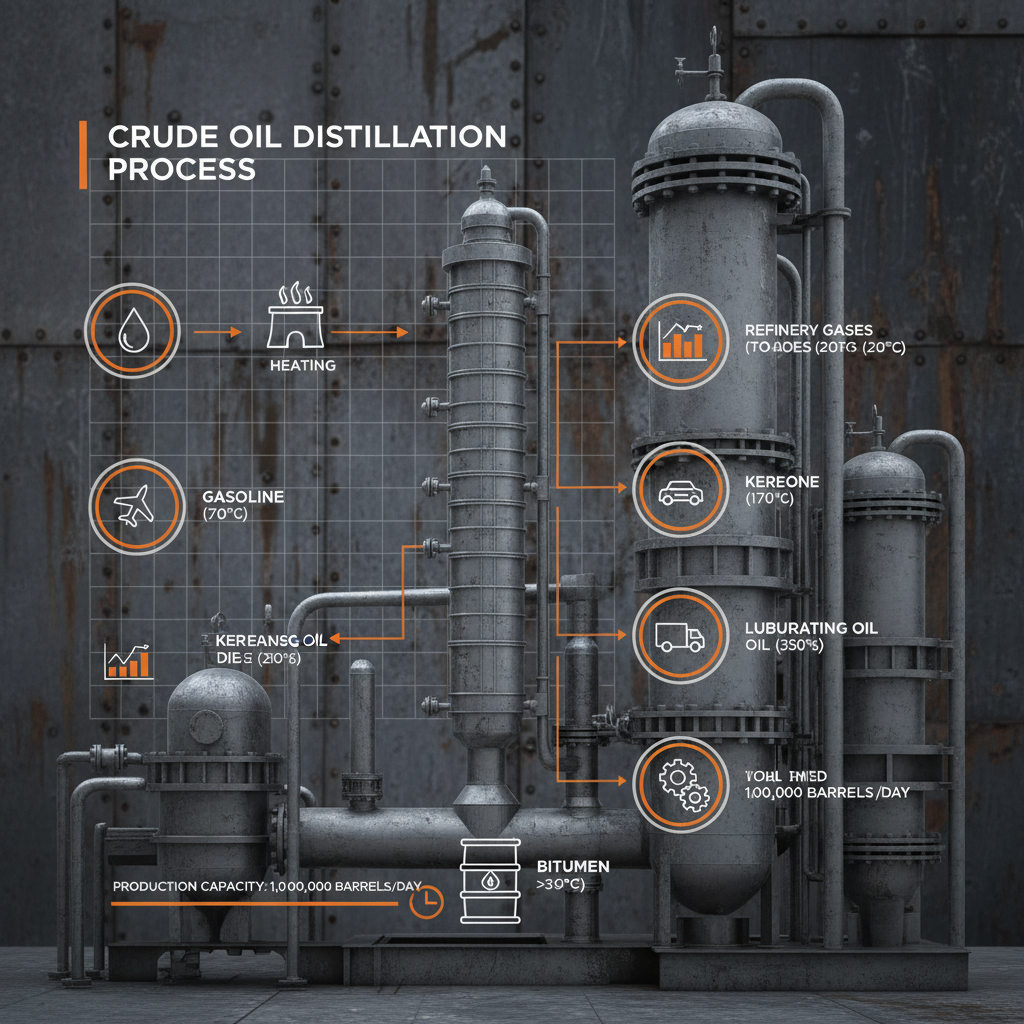
Essentially, oil distillation equipment separates crude oil into its various components – gasoline, kerosene, diesel, lubricating oils, and more – based on boiling points. It’s a tried-and-true process, but the technology is far from static. Modern advancements focus on increasing efficiency, reducing energy consumption, minimizing waste, and automating operations. That’s where the real innovation is happening, and it’s driven by a constant need for improvement.
The Global Significance of oil distillation equipment
The global demand for refined petroleum products continues to climb, driven by population growth and industrialization, particularly in developing nations. According to the U.S. Energy Information Administration, global petroleum and other liquid fuels consumption averaged 101.4 million barrels per day in 2023. This statistic alone highlights the critical role of reliable and efficient oil distillation equipment. Without it, meeting that demand is simply impossible.
The challenge isn’t just volume; it’s complexity. Crude oil varies significantly in composition, requiring specialized distillation processes tailored to specific feedstocks. Dealing with heavier, sour crudes, for example, demands more sophisticated equipment and processes. Furthermore, increasingly stringent environmental regulations are forcing operators to invest in technologies that minimize emissions and maximize resource recovery.
Defining oil distillation equipment
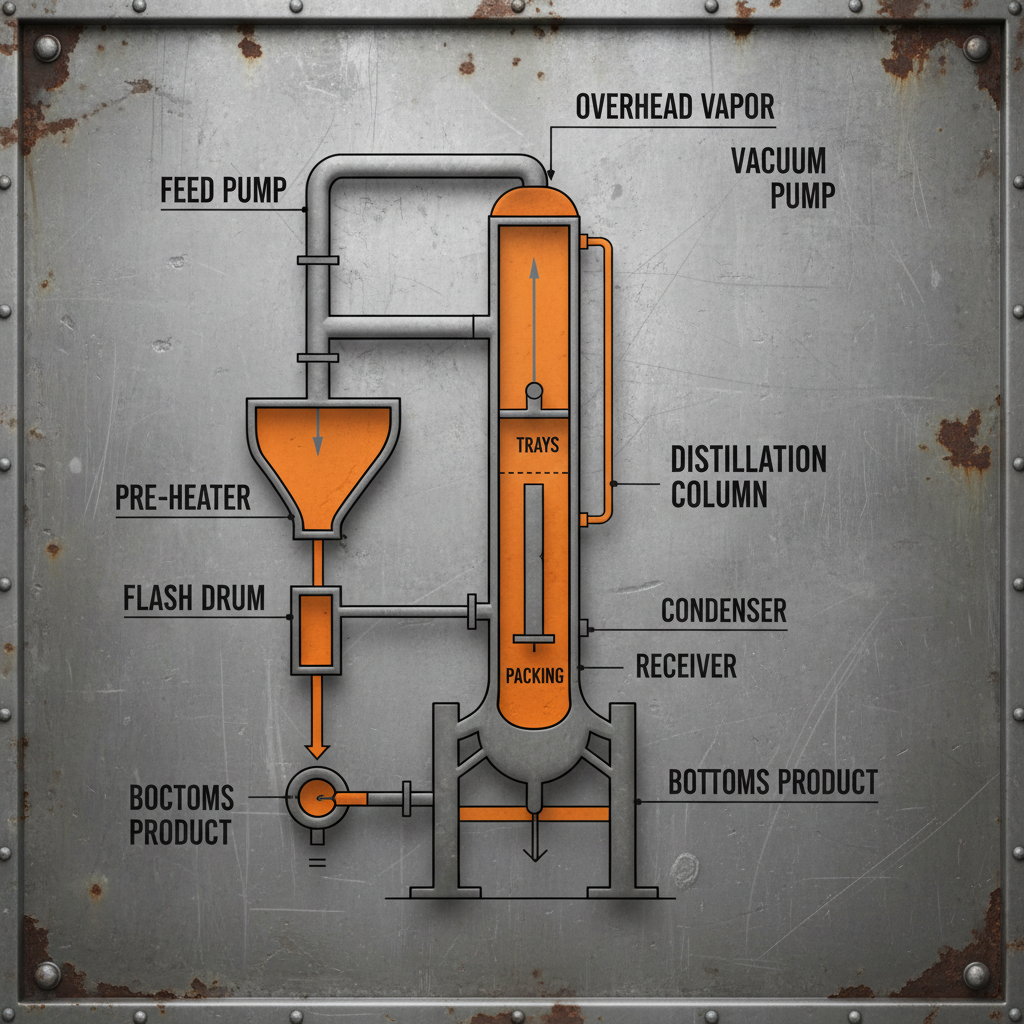
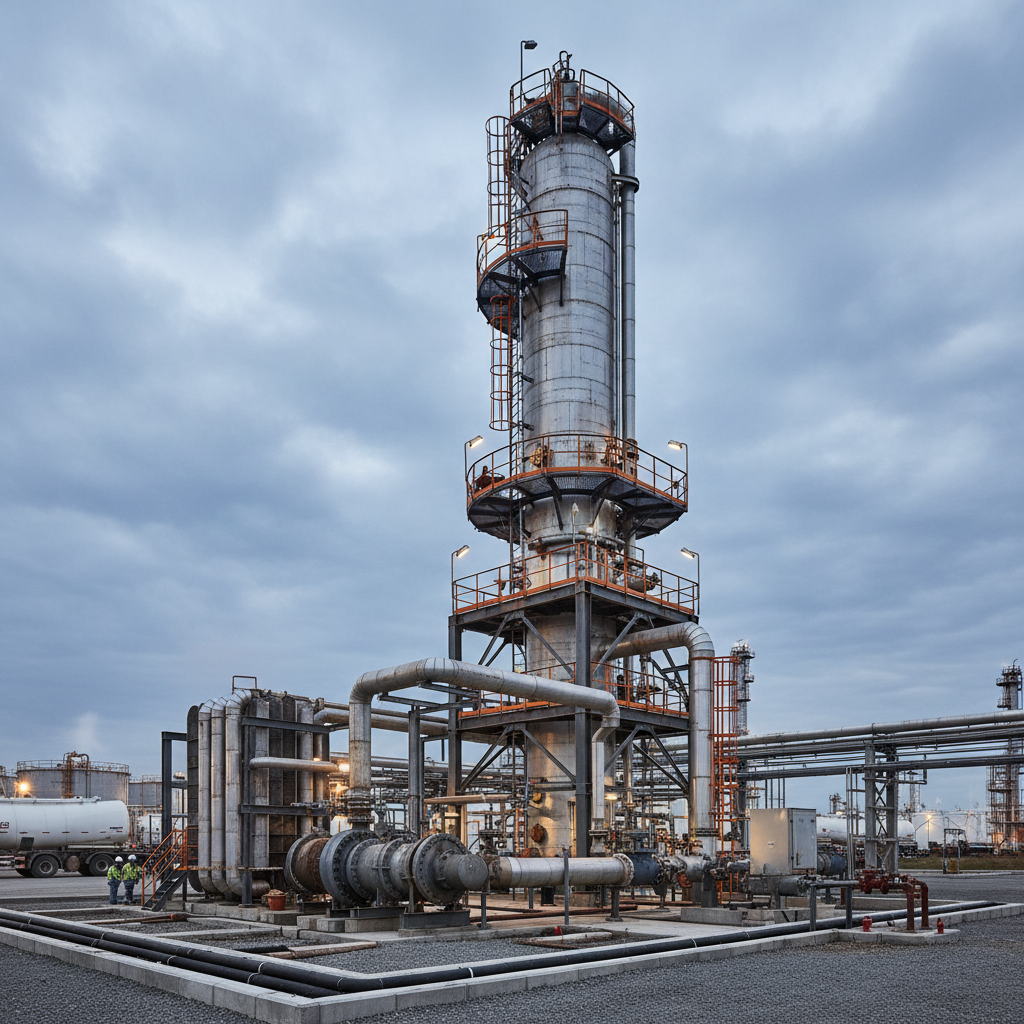
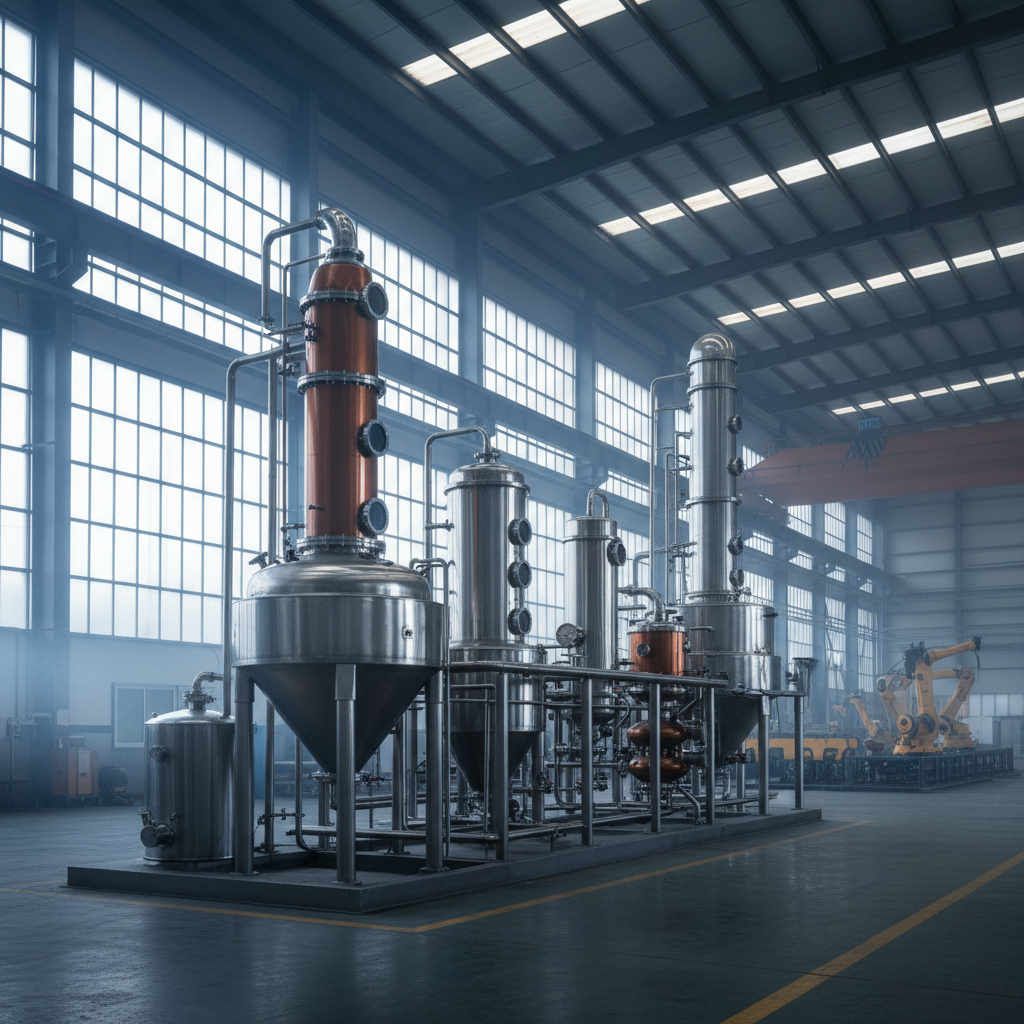
Simply put, oil distillation equipment is the collection of machinery and systems used to separate crude oil into its various component fractions. It’s not one single piece of equipment, but rather a complex integrated system. The heart of the system is the distillation column – a tall tower where separation occurs based on boiling point differences. Different fractions, like gasoline, kerosene, and diesel, condense at different levels within the column and are drawn off.
But it’s much more than just a column. There’s preheating systems, reflux drums, condensers, reboilers, pumps, and a sophisticated control system to monitor and optimize the entire process. This equipment is designed to withstand high temperatures, pressures, and corrosive environments. Modern oil distillation equipment also incorporates advanced monitoring and control systems for enhanced safety and efficiency.
This process is crucial not just for fuels, but for producing the building blocks of countless products we use daily - plastics, lubricants, solvents, and even some pharmaceuticals. It’s the foundational step in turning a raw resource into essential materials.
Key Factors in oil distillation equipment Design
When assessing oil distillation equipment, several key factors stand out. First is Material Durability. The equipment constantly faces corrosive elements and extreme temperatures. Using high-grade alloys and robust construction is paramount for a long operational lifespan. I've seen plenty of systems fall apart due to shortcuts on materials – it’s simply not worth the risk.
Next, Scalability is crucial. A system that works perfectly for a small refinery may be entirely inadequate for a large-scale operation. The ability to easily expand capacity or adapt to different feedstocks is a major advantage. We always design with future growth in mind – it's much cheaper to plan for expansion upfront than to retrofit later.
Energy Efficiency is another critical aspect. Distillation is an energy-intensive process, so minimizing energy consumption is vital for both cost savings and environmental responsibility. Heat integration strategies and advanced control systems play a key role here. And finally, Operational Simplicity – the easier it is to operate and maintain, the fewer potential issues you'll encounter.
Operational Efficiency and Cost Analysis
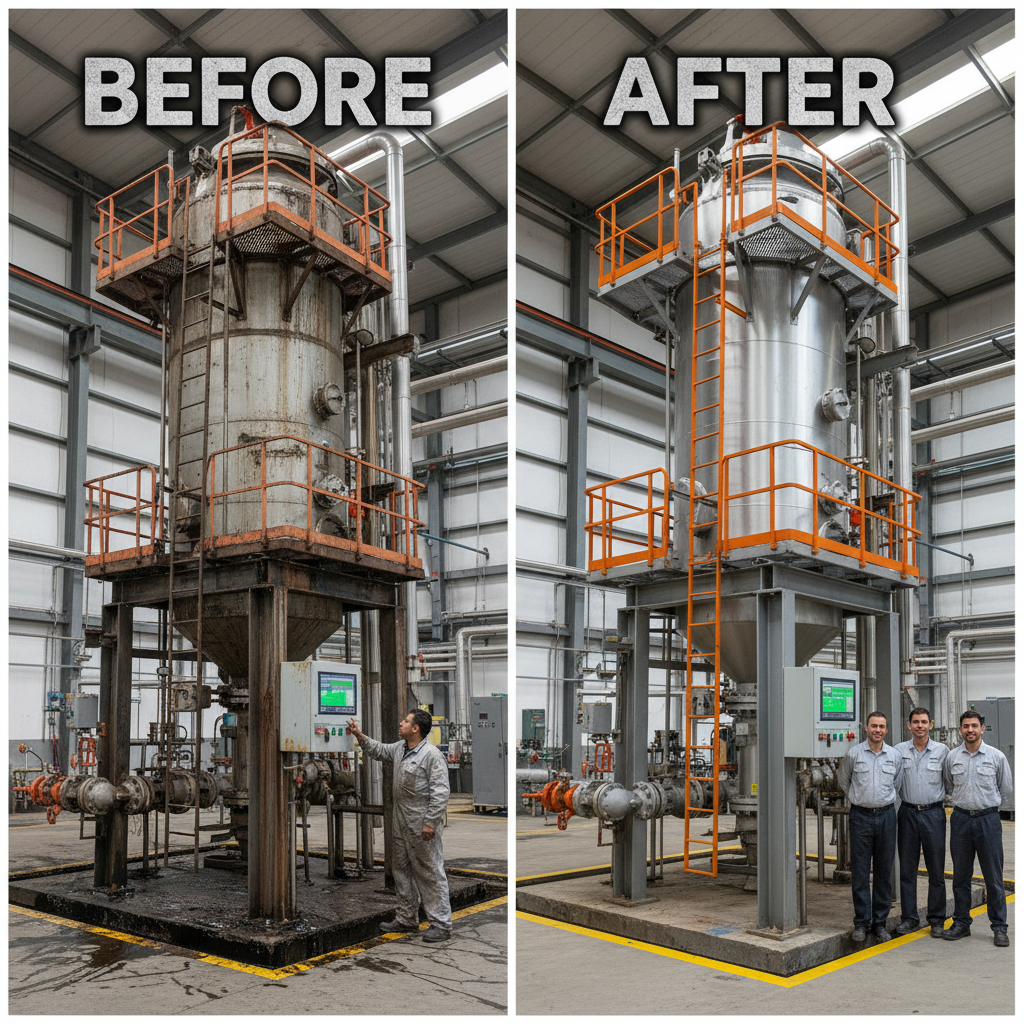
From a field perspective, the efficiency of oil distillation equipment isn’t just about throughput; it’s about minimizing downtime and maximizing yield. Regular maintenance, proper monitoring, and skilled operators are essential. A well-maintained system will consistently produce higher-quality fractions and reduce the need for costly repairs.
The initial capital cost is significant, but it’s just one part of the equation. A thorough cost analysis should include factors like energy consumption, maintenance costs, operator training, and potential environmental liabilities. A slightly more expensive system upfront that offers lower operating costs and higher reliability can often be the most cost-effective choice in the long run.
Comparison of Different oil distillation equipment Methods
Real-World Applications of oil distillation equipment
You’ll find sophisticated oil distillation equipment at major refineries around the globe, of course. But it’s also vital in smaller-scale operations like lubricant blending plants and solvent recovery facilities. In post-disaster relief operations, mobile distillation units can be deployed to process fuel from damaged infrastructure.
We've worked with clients in remote industrial zones where reliable fuel supply is critical. Setting up a small-scale distillation unit on-site eliminates the logistical challenges and costs associated with transporting refined products over long distances. There's a growing demand for these localized solutions, especially in areas with limited infrastructure.
Long-Term Benefits and Value Proposition
Investing in high-quality oil distillation equipment delivers significant long-term benefits. Reduced operating costs, increased efficiency, and improved product quality translate into higher profitability. Moreover, utilizing advanced technologies reduces environmental impact and ensures compliance with increasingly stringent regulations.
But it goes beyond economics. A reliable and efficient distillation process contributes to energy security, reduces reliance on foreign imports, and supports local job creation. It's an investment in a sustainable future. It's about building trust with stakeholders and demonstrating a commitment to responsible resource management.
Future Trends and Innovations in Distillation Technology
The future of oil distillation is leaning heavily towards automation and digitization. We're seeing increased integration of advanced sensors, data analytics, and machine learning to optimize process control and predict potential failures. Digital twins – virtual replicas of the physical equipment – are becoming increasingly common for training and troubleshooting.
There’s also a growing focus on integrating distillation with renewable energy sources, like solar or wind power, to reduce carbon emissions. And research continues on developing more efficient distillation processes that require less energy and produce less waste. We are also exploring membrane distillation and hybrid distillation processes.
The industry is also looking at ways to process unconventional feedstocks, such as shale oil and biomass, using advanced distillation technologies. This shift towards diversification will be crucial in ensuring a sustainable energy future.
Summary of Key Challenges and Potential Solutions
| Challenge |
Impact on Distillation |
Proposed Solution |
Implementation Cost (1-10) |
| Feedstock Variability |
Reduced efficiency and product quality |
Advanced process control and adaptive algorithms |
6 |
| Energy Consumption |
High operating costs and environmental impact |
Heat integration and waste heat recovery systems |
7 |
| Corrosion and Fouling |
Reduced equipment lifespan and increased maintenance |
Advanced materials and anti-fouling coatings |
8 |
| Skilled Operator Shortage |
Increased risk of errors and inefficiencies |
Automated control systems and remote monitoring |
5 |
| Environmental Regulations |
Increased compliance costs and potential penalties |
Closed-loop systems and emissions control technologies |
9 |
| Data Security |
Vulnerability to cyberattacks and data breaches |
Robust cybersecurity protocols and data encryption |
4 |
FAQS
Fouling is a frequent challenge in distillation. It's often caused by polymerization of unsaturated hydrocarbons, corrosion products, or the formation of solid deposits from impurities in the feed. Regular cleaning, the use of antifouling chemicals, and optimized process parameters can help mitigate this issue. We always recommend a thorough feedstock analysis to understand potential fouling risks before startup.
Column sizing is a complex process requiring detailed process simulation. Factors to consider include feed composition, flow rate, desired product purity, pressure drop, and reflux ratio. We utilize sophisticated software tools and decades of experience to accurately size columns, ensuring optimal performance and minimizing capital costs. Proper sizing avoids bottlenecks and ensures efficient separation.
Regular inspection and preventative maintenance are key. This includes checking for corrosion, leaks, and wear on critical components like pumps, valves, and seals. Periodic column cleaning, tray inspection, and calibration of control instruments are also vital. Establishing a robust maintenance schedule tailored to your specific operating conditions will maximize uptime and minimize costly repairs.
Distillation involves handling flammable materials at high temperatures and pressures, so safety is paramount. Proper grounding, ventilation, and leak detection systems are essential. Operators must be thoroughly trained in emergency procedures and wear appropriate personal protective equipment. Regular safety audits and adherence to industry standards are critical for preventing accidents.
Several strategies can enhance energy efficiency. Heat integration, where waste heat from one part of the process is used to preheat the feed, is highly effective. Optimizing reflux ratios and using high-efficiency packing materials can also reduce energy consumption. Implementing advanced process control systems to maintain optimal operating conditions is another crucial step.
Automated control systems offer several advantages, including improved process stability, increased product quality, reduced operator error, and optimized energy consumption. They allow for real-time monitoring and adjustment of key parameters, ensuring the process operates at peak efficiency. Remote monitoring capabilities also enable faster response times to any process disturbances.
Conclusion
In conclusion, oil distillation equipment is the backbone of the modern energy and petrochemical industries. Understanding its principles, key factors, and future trends is crucial for engineers, operators, and anyone involved in these vital sectors. From optimizing efficiency to ensuring safety and minimizing environmental impact, the right equipment and expertise are essential for success.
Looking ahead, continued innovation in materials, automation, and sustainable practices will drive further advancements in distillation technology. Investing in robust, reliable, and environmentally responsible oil distillation equipment isn’t just a business decision – it’s an investment in a more secure and sustainable future. Visit our website at www.oiltestequip.com to learn more about how we can help you optimize your distillation process.
 English