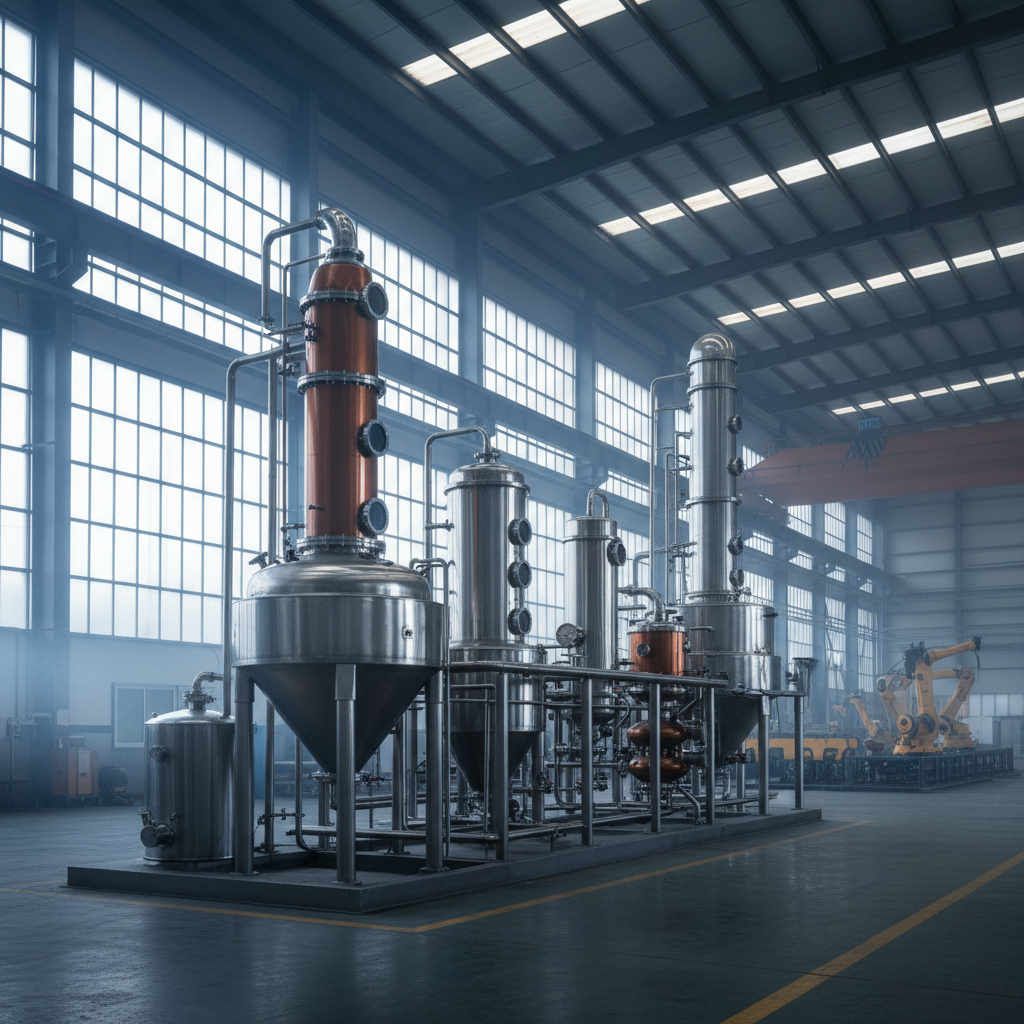
Steam distillation apparatus aren’t glamorous, believe me. I’ve spent years on sites, watching processes unfold, and sometimes the most crucial gear is the stuff nobody talks about. It's the workhorse separating essential oils, purifying water, even recovering solvents – things that keep operations running smoothly and safely. You’d be surprised how many projects hit snags because the distillation setup wasn’t up to snuff. This isn’t lab equipment; this is field-tested, real-world problem solving.
The demand for reliable steam distillation apparatus is quietly massive. Globally, the essential oil market alone is projected to reach billions, fueling industries from fragrance to pharmaceuticals. But it’s not just about perfumes. Think about water purification in disaster zones, solvent recovery in chemical manufacturing, or even the production of high-purity chemicals for research. The UN and organizations like the World Bank constantly grapple with providing clean water solutions, and efficient distillation is often key.
For us on the ground, it’s about having a tool that works consistently. A steam distillation apparatus, at its core, is a system for separating components based on boiling points using steam. It’s a deceptively simple concept, but the implementation is where things get tricky. It's vital in modern industry, and also in providing humanitarian aid where access to purified substances is paramount.
Key Considerations for Steam Distillation Apparatus
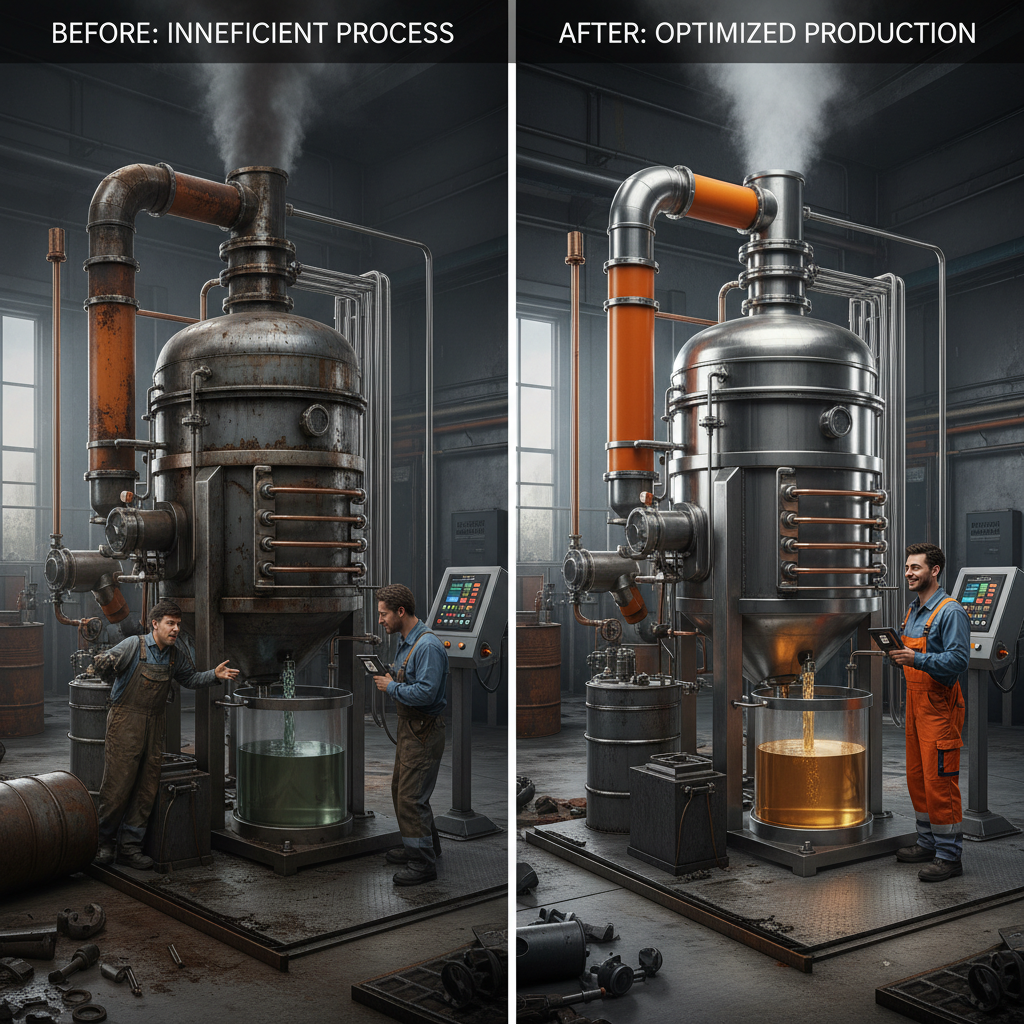
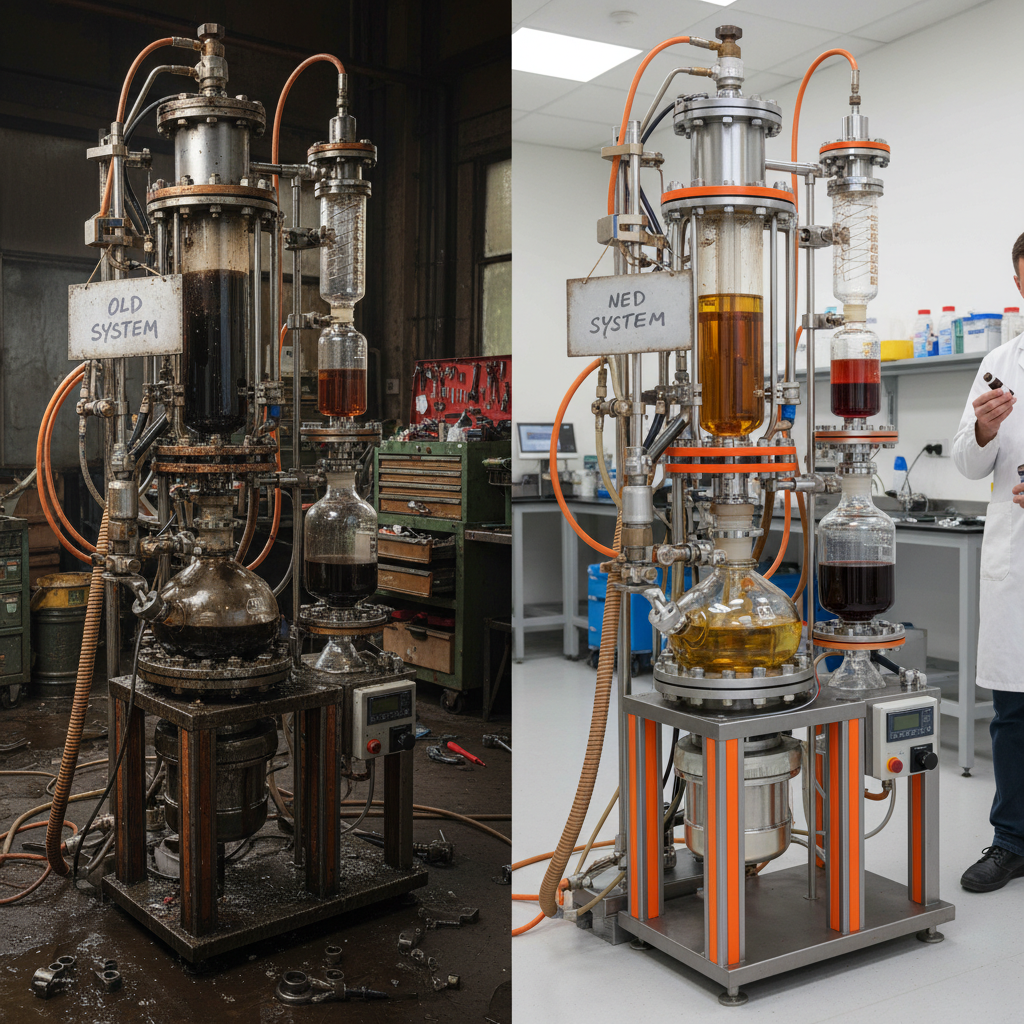
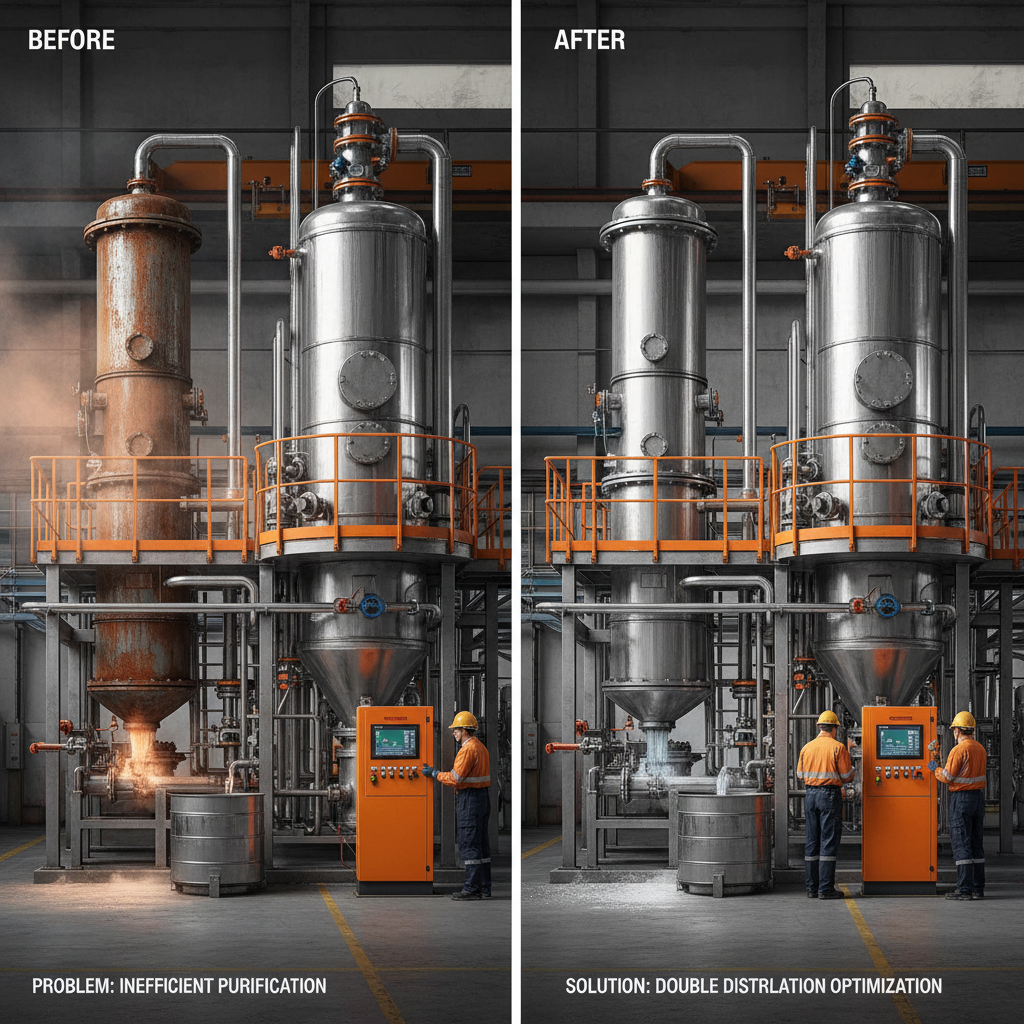
Durability is paramount. I've seen setups rust through in months if the materials aren't right, especially when dealing with corrosive substances. Stainless steel – and the grade matters – is a must. Then there’s scalability. A small benchtop unit is fine for a lab, but a plant needs something that can handle volume, and be easily expanded.
Cost-efficiency isn’t just about the initial price tag. It’s about maintenance, energy consumption, and lifespan. A cheap apparatus that needs constant repair or uses excessive steam will cost you more in the long run. And finally, safety features – pressure relief valves, temperature controls, robust seals – these aren’t optional extras; they’re essential for protecting personnel and preventing disasters.
The Global Relevance of Steam Distillation
Steam distillation isn’t limited to any one region. You'll find it vital in the perfume industries of Grasse, France, to the essential oil production in India and Brazil. It’s a cornerstone of pharmaceutical manufacturing worldwide, and increasingly crucial in water purification efforts in developing nations. The need for purified water alone drives significant demand.
The global chemical industry relies heavily on solvent recovery, where steam distillation plays a vital role. Reducing waste and reclaiming valuable materials isn’t just environmentally responsible; it’s economically smart. Regulations are tightening globally, pushing companies to adopt more sustainable practices, and efficient distillation is a key component of that.
Recent UN reports highlight the increasing scarcity of potable water in many regions, demanding scalable purification solutions. Organizations are actively seeking robust, field-deployable steam distillation apparatus to address these critical needs. It’s not just about producing chemicals; it’s about providing essential resources for life.
Defining Steam Distillation Apparatus
Simply put, a steam distillation apparatus uses steam to vaporize compounds with high boiling points that wouldn't normally distill on their own. Think of extracting essential oils from plants – they don’t readily evaporate, but the steam carries their volatile components along, allowing for separation.
It’s a surprisingly versatile technique. It's not just for oils; it’s used in refining chemicals, purifying water, and even in forensic science. The key is controlling the steam flow and temperature to ensure efficient and selective separation. It’s a fundamental process in many manufacturing workflows.
Its connection to modern industry and humanitarian needs is undeniable. From ensuring the purity of pharmaceuticals to providing clean water in disaster relief, steam distillation apparatus is a foundational technology with broad reaching impact. It’s a solid, reliable process that’s stood the test of time.
Core Components and Operational Factors
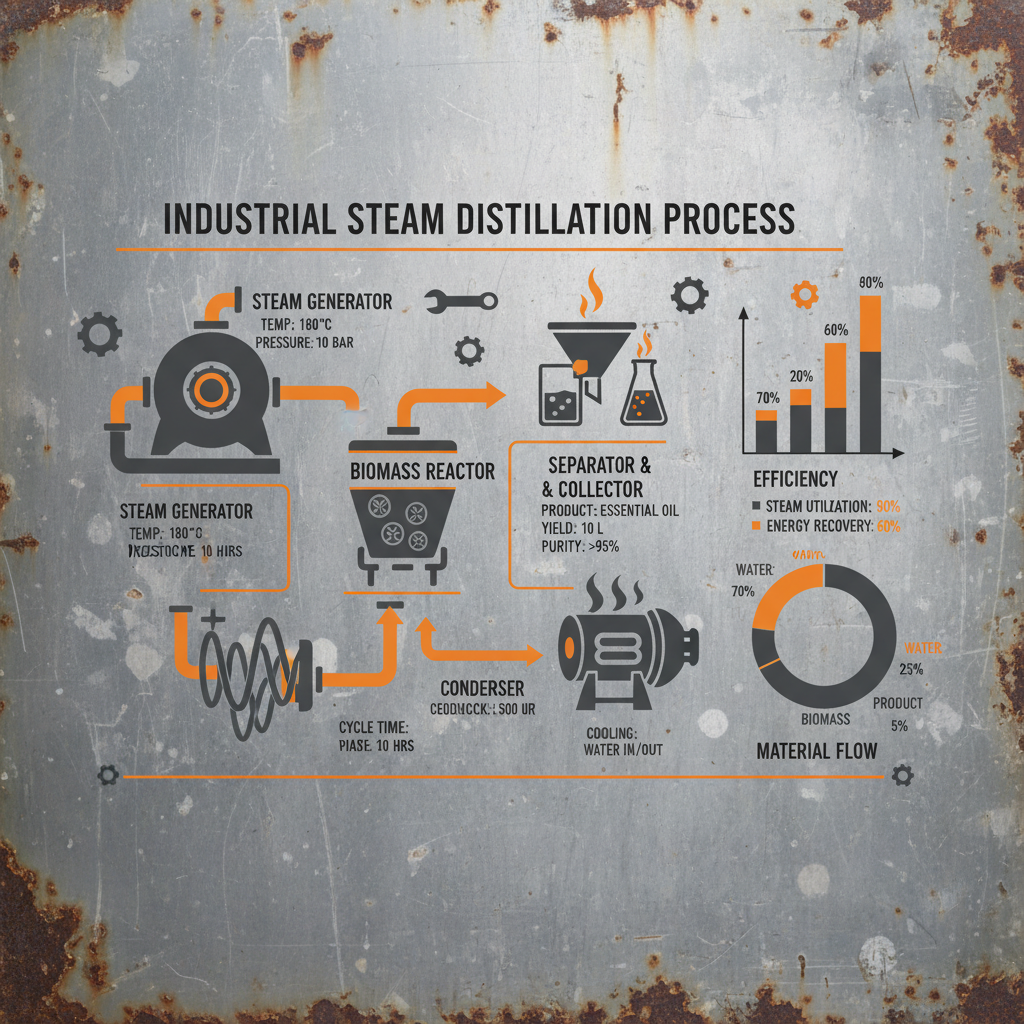
Let's break down the core components. You’ve got your boiling flask, where the water is heated to generate steam. Then there’s the distillation flask, containing the material you want to extract. A condenser is crucial - cooling the steam back into liquid form. And of course, a receiving flask to collect the purified distillate.
Operational factors are just as important. Steam pressure and flow rate directly impact efficiency. Too little steam, and you won't vaporize enough of the target compound. Too much, and you risk damaging the apparatus or losing valuable product. Temperature control is critical – you want a stable, consistent heat source.
Steam Distillation Apparatus Performance Metrics
Real-World Applications Across Industries
In the flavor and fragrance industry, steam distillation apparatus is used to extract essential oils from flowers, herbs, and spices. Lavender, rose, peppermint – all rely on this process. But it’s not just about pleasant smells. In pharmaceutical manufacturing, it’s crucial for purifying drug compounds and isolating active ingredients.
Post-disaster relief operations often require on-site water purification, and steam distillation offers a relatively simple and effective solution. In remote industrial zones, where access to pre-purified solvents is limited, on-site recovery systems utilizing steam distillation are invaluable. It reduces reliance on external supply chains and minimizes waste.
Long-Term Advantages and Value Proposition
The cost savings from solvent recovery alone can justify the investment in a steam distillation apparatus. Beyond that, there's the sustainability factor – reducing waste and minimizing environmental impact. And from a social impact perspective, providing access to clean water and essential medicines is immeasurable.
Reliability is key. A well-maintained apparatus will deliver consistent results for years. It builds trust with your clients, demonstrates a commitment to quality, and avoids costly downtime. It also enhances safety by reducing exposure to hazardous chemicals and ensuring product purity.
Future Trends and Innovation in Distillation
We’re seeing a push towards more energy-efficient designs, incorporating heat recovery systems to minimize steam consumption. Digital monitoring and control systems are becoming increasingly common, allowing for precise temperature and pressure regulation.
Automation is also playing a role, with automated feeding and collection systems reducing manual labor and increasing throughput. There's growing interest in integrating renewable energy sources – solar or biomass – to power the steam generation, further enhancing sustainability.
New materials are also being explored. Advanced alloys offer improved corrosion resistance and thermal conductivity. And the move toward continuous flow distillation systems promises even greater efficiency and control compared to traditional batch processing.
Analysis of Steam Distillation Apparatus Performance
| Distillation Type |
Material Quality |
Operational Complexity |
Overall Reliability (1-10) |
| Batch Distillation |
Standard Stainless Steel |
Low |
7 |
| Vacuum Distillation |
High-Grade Borosilicate Glass |
Medium |
8 |
| Steam Distillation |
316L Stainless Steel |
Medium |
9 |
| Fractional Distillation |
Corrosion-Resistant Alloy |
High |
6 |
| Molecular Distillation |
Specialized Ceramic Materials |
Very High |
5 |
| Short Path Distillation |
High-Purity Quartz Glass |
Medium |
7 |
FAQS
When selecting a steam distillation apparatus for essential oils, consider the material (stainless steel is best), capacity (match to your volume), energy efficiency (look for heat recovery), ease of cleaning, and safety features. It’s also vital to assess the quality of the condenser to ensure effective separation of oil and water. Don’t skimp on the details; a quality apparatus will pay for itself in the long run.
Contamination is a major concern. Use high-purity distilled water for steam generation. Ensure all components are thoroughly cleaned and sterilized before use. Avoid using materials that can leach into the distillate. Regularly inspect seals and connections for leaks. And finally, consider using a nitrogen blanket to minimize oxidation during collection.
Regular cleaning is essential. Descale the boiler periodically to remove mineral buildup. Inspect all seals and gaskets for wear and tear and replace them as needed. Lubricate moving parts according to the manufacturer’s instructions. And perform a visual inspection for corrosion or damage before each use.
Yes, but you need to control the temperature carefully. Vacuum steam distillation lowers the boiling point, making it suitable for heat-sensitive compounds. However, the setup is more complex. Careful monitoring and optimized pressure settings are crucial to prevent degradation of the target compound.
Always wear appropriate personal protective equipment (PPE), including gloves and eye protection. Ensure adequate ventilation. Monitor pressure levels carefully and use a pressure relief valve. Never operate the apparatus unattended. And be aware of the potential hazards associated with the substances you are distilling.
Hydrodistillation involves boiling the raw material in water, while steam distillation passes steam through the raw material. Steam distillation is generally preferred for delicate materials as it reduces the risk of thermal degradation. Hydrodistillation can be simpler for some applications, but it often results in lower oil yields and quality.
Conclusion
Steam distillation apparatus, though often overlooked, is a workhorse of modern industry and humanitarian efforts. From extracting valuable essential oils to providing clean water in crisis situations, its versatility and reliability are undeniable. The key is understanding the core principles, choosing the right equipment, and prioritizing safety and maintenance.
Looking ahead, innovations in energy efficiency, automation, and materials science promise to further enhance the performance and sustainability of steam distillation. Investing in this technology isn’t just about improving processes; it's about building a more efficient, sustainable, and resilient future.
 English