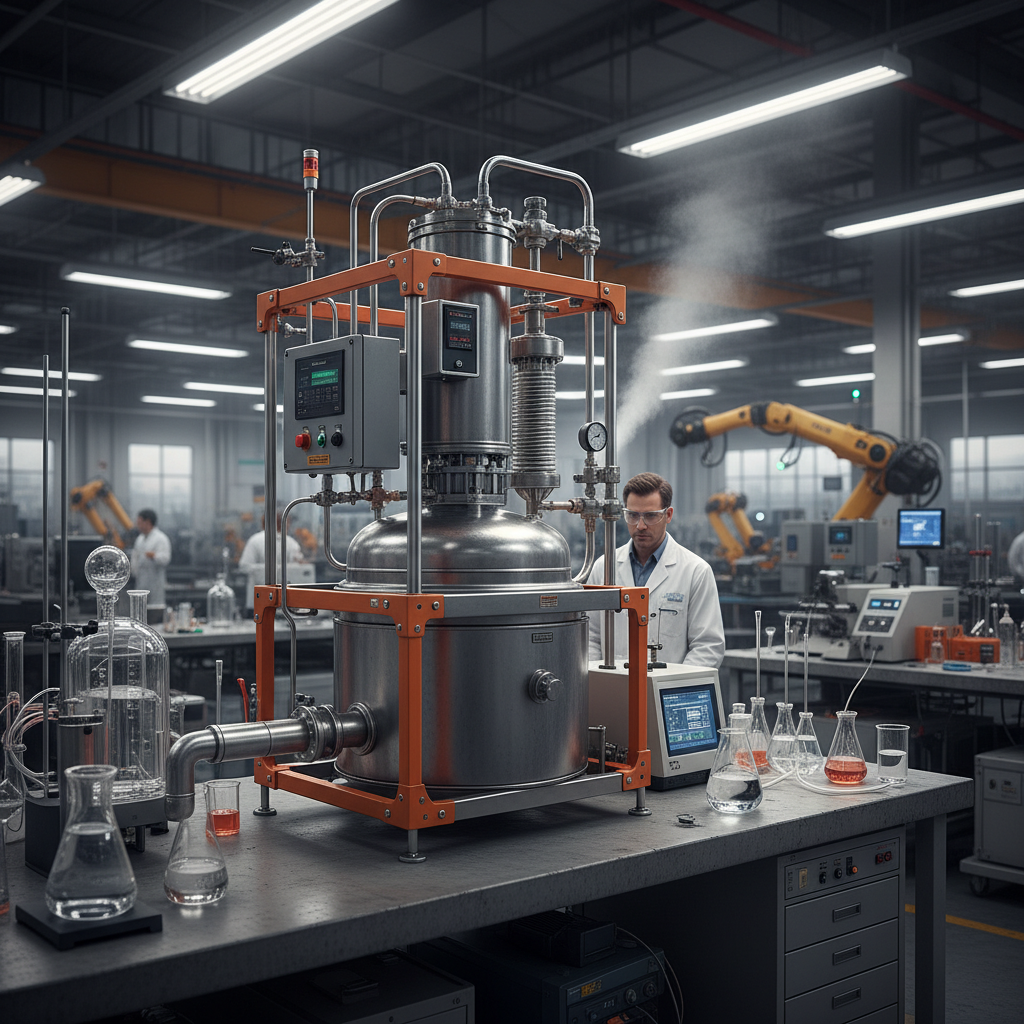
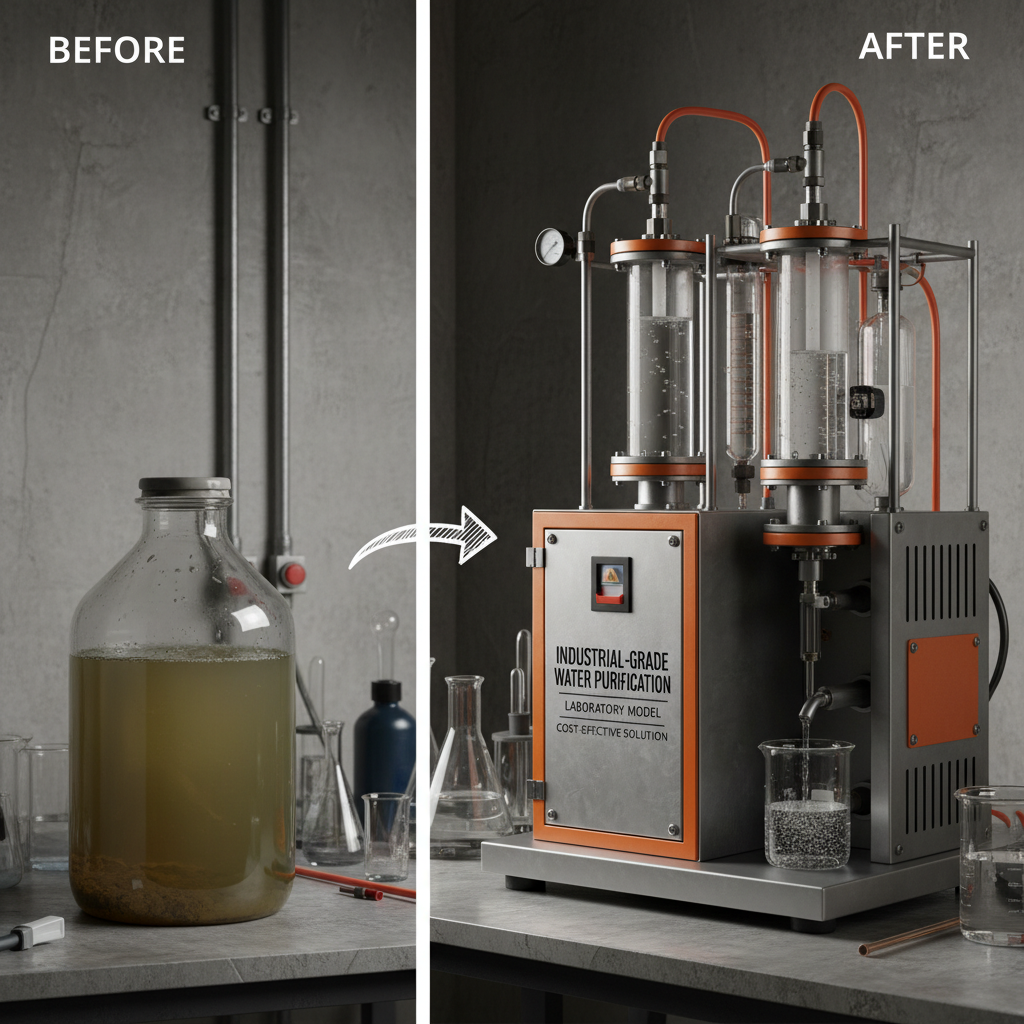
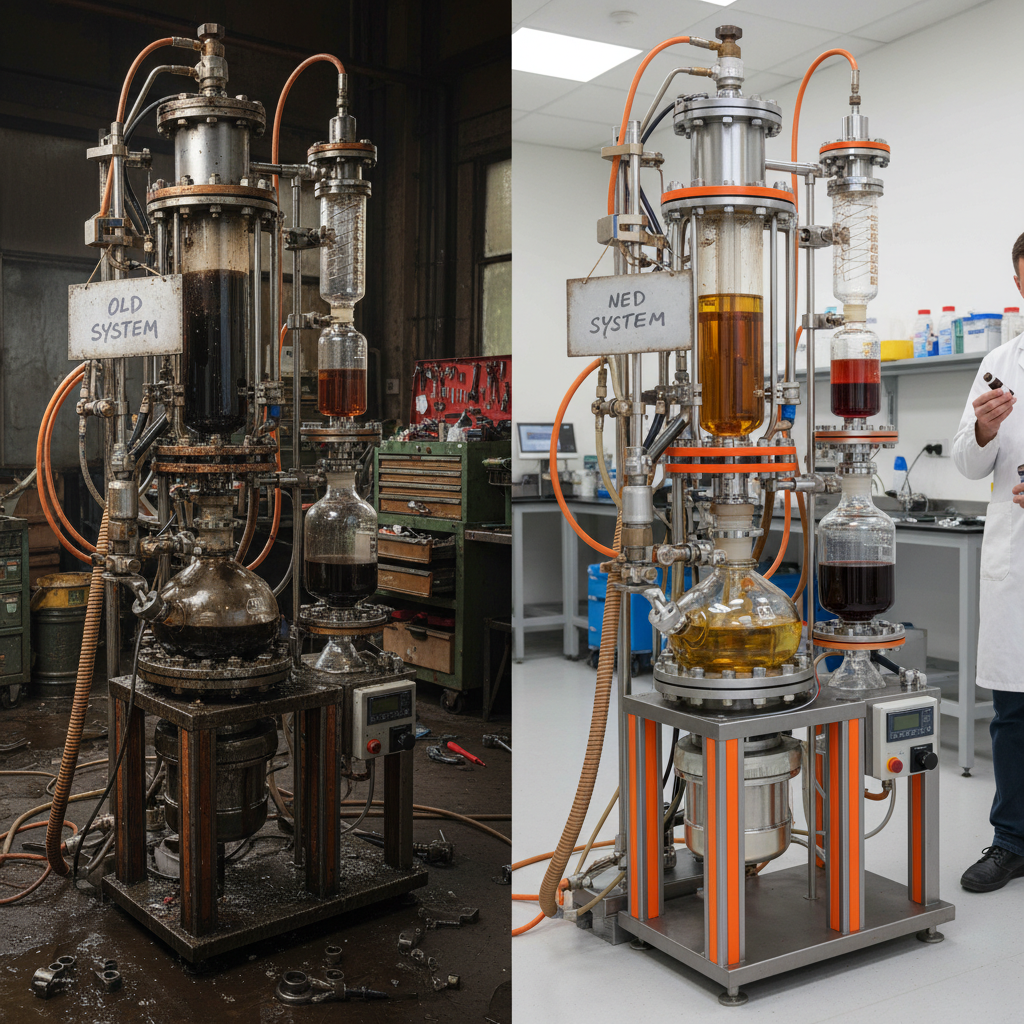
Look, I've spent the last fifteen years knee-deep in dust and concrete, watching crews wrestle with water purification on site after site. You quickly learn that consistent, high-quality water isn't a 'nice to have'—it's fundamental. A water distillation unit for laboratory isn't some fancy piece of kit for a chemist in a lab coat; it's about ensuring the concrete sets right, the testing is accurate, and frankly, keeping everyone healthy. The quality of the water impacts everything on a build.
Too often, projects rely on municipal sources, which can be unreliable, or hauling in water, which is a logistical nightmare and a major cost driver. And let’s be real, sometimes the water just isn’t pure enough for sensitive applications. This is where a robust, field-ready water distillation unit for laboratory comes into its own. It's about control, consistency, and reducing headaches down the line. We've seen delays, rework, and even safety issues traced back to subpar water quality.
I've seen the evolution of these units firsthand. Early models were bulky, power-hungry, and frankly, a pain to maintain. Now, we’re seeing more compact, energy-efficient designs that are built to withstand the harsh realities of a construction site. This isn't about theoretical purity; it’s about practical, reliable performance in the field.
The Critical Role of water distillation unit for laboratory in Construction
Let's be blunt: water quality on construction sites is often overlooked, but it's a make-or-break factor. From concrete mixing to dust suppression, and especially soil testing, the purity of the water directly affects the structural integrity and the safety of the project. A water distillation unit for laboratory provides a level of control you just can't get otherwise.
The UN estimates that billions of people lack access to safe drinking water, and while we’re not talking about potable water on a job site, the same principles apply – contamination can have serious consequences. Accurate results from on-site labs depend on the water being absolutely pure. We've seen projects stalled because of inconsistent testing data caused by mineral content in the water.
Understanding water distillation unit for laboratory: A Practical Definition
Simply put, a water distillation unit for laboratory takes raw water, heats it to create steam, and then condenses that steam back into liquid form, leaving behind contaminants like minerals, bacteria, and heavy metals. It’s essentially creating water that’s as close to pure H2O as you can get without complex and expensive filtration systems.
This isn’t just about labs, though. On a large site, you might need distilled water for calibrating equipment, cleaning sensitive instruments, or even for certain types of welding. It's a versatile solution that can address a lot of different needs. It’s a step up from relying on bottled water, which is costly and generates a ton of plastic waste.
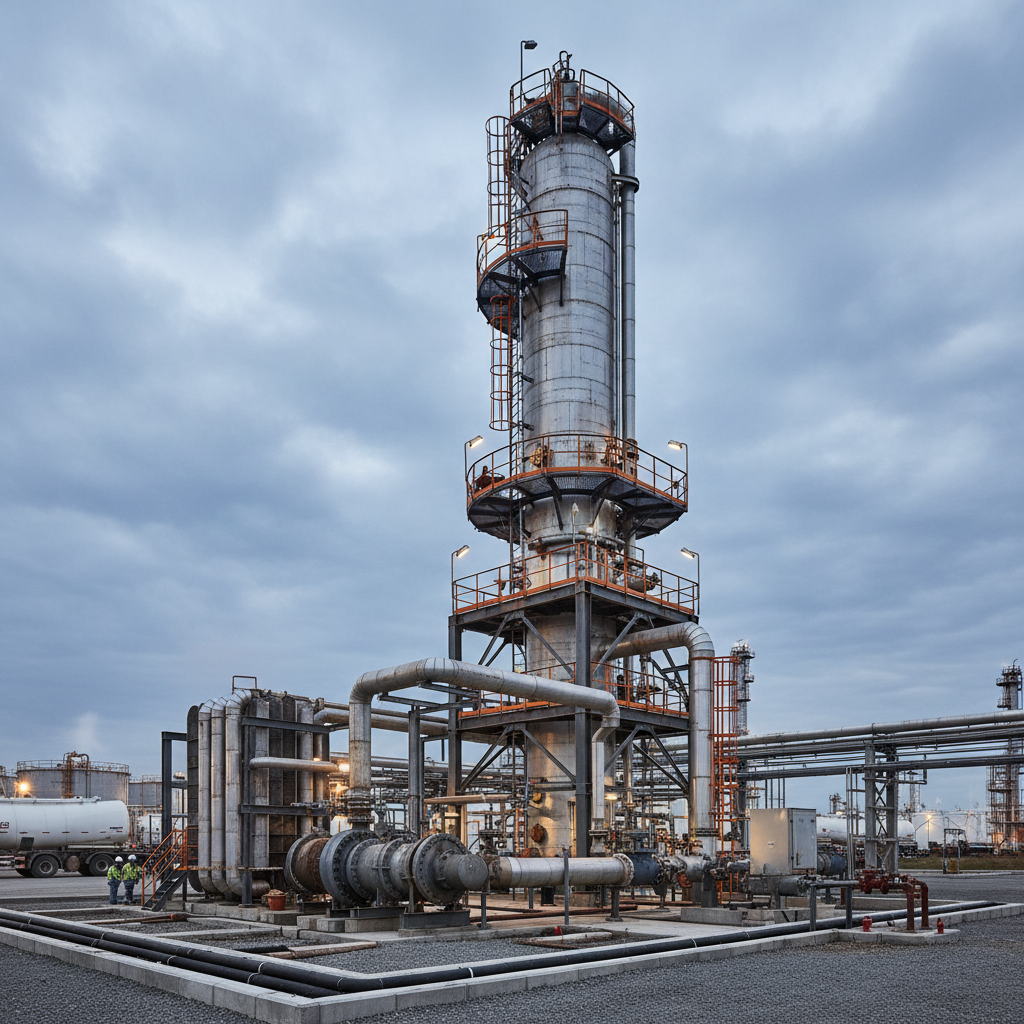
Historically, distillation was a slow, energy-intensive process. But modern units are much more efficient, incorporating features like multi-stage distillation and energy recovery systems to minimize waste and maximize output, crucial for demanding construction schedules.
Key Factors for Selecting a Robust Unit
Durability is paramount. We’re not putting these things in a climate-controlled lab. They need to withstand vibrations, dust, temperature fluctuations, and the occasional bump. Look for units with heavy-duty construction – stainless steel is a good start, but also consider the quality of the seals and the overall build.
Scalability is also key. Can the unit handle the volume of water you need? Is it easy to add additional units if the project grows? Consider peak demand – you don’t want to be caught short when you need it most. Flow rate and storage capacity are critical specifications.
Energy efficiency directly impacts your bottom line. Look for units with insulated chambers and efficient heating elements. A unit that guzzles power is a unit that's going to add significantly to your project costs. Portability is often overlooked, but the ability to move the unit easily around the site can save a lot of time and effort.
Global Applications and Real-World Scenarios
I’ve seen these units deployed everywhere, from sprawling infrastructure projects in the Middle East to remote mining operations in Australia. In post-disaster relief operations, a water distillation unit for laboratory can provide a lifeline, ensuring access to clean water for testing environmental samples and for basic sanitation.
In remote industrial zones where water sources are unreliable, these units provide a self-contained solution. For example, we used a series of units on a pipeline project in Siberia, where the local water was heavily contaminated with minerals. Without it, we would have had constant issues with concrete setting and weld integrity.
Even in developed countries, stringent environmental regulations are driving demand for distilled water in certain applications. For example, some states require distilled water for soil testing to ensure accurate results that comply with environmental standards.
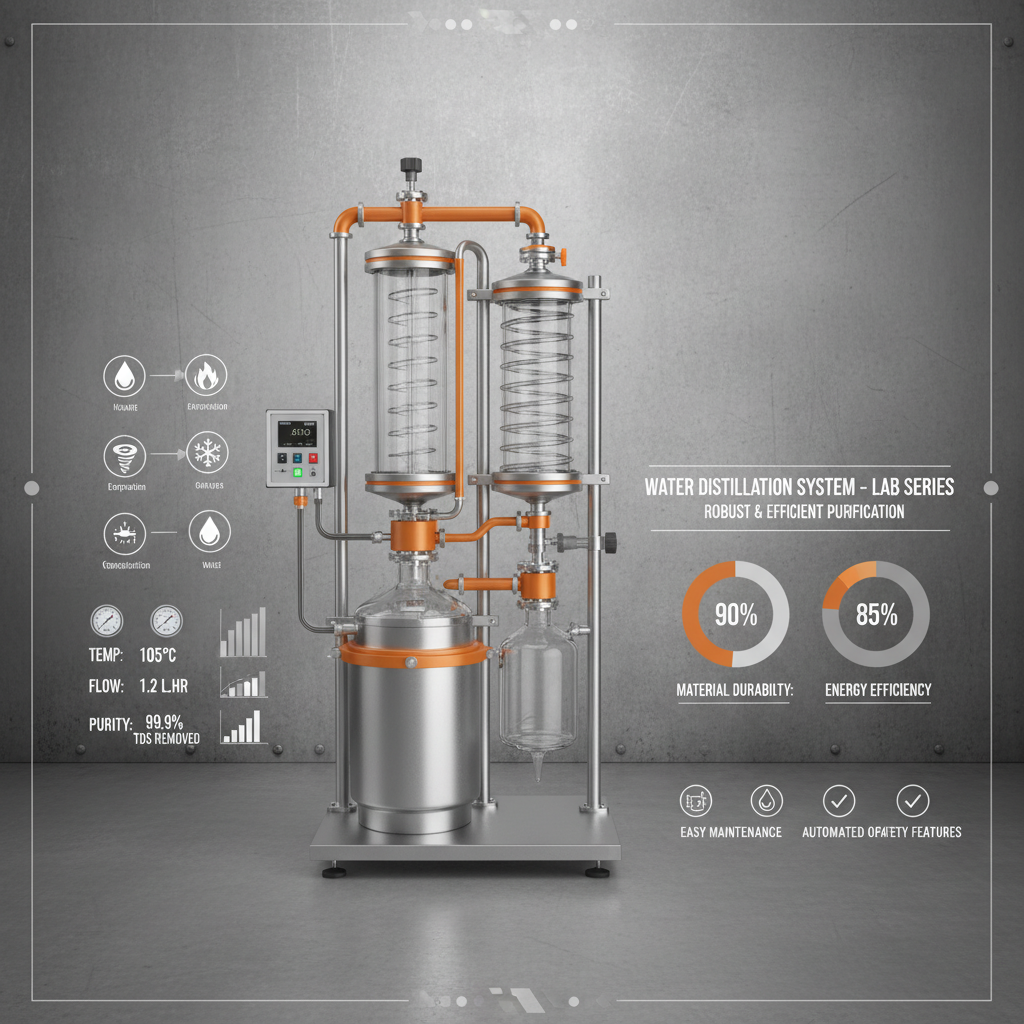
Water Distillation Unit Performance Metrics
Advantages: Long-Term Value and Cost Savings
The upfront cost of a water distillation unit for laboratory can seem significant, but you quickly recoup that investment. Reduced reliance on external water sources, minimized rework due to poor water quality, and more accurate testing all translate to significant cost savings.
From a sustainability perspective, reducing plastic waste from bottled water is a big win. And knowing your water is consistently pure provides peace of mind – it’s about doing the job right and avoiding potential liability issues down the road. A reliable water source is fundamental to project success.
Future Trends and Innovations in Distillation Technology
We’re starting to see a push towards more modular and portable units, making them even easier to deploy on remote sites. Integration with smart sensors and remote monitoring systems is also on the horizon, allowing you to track water quality and unit performance in real-time.
The use of renewable energy sources to power these units is another area of development. Solar-powered distillation systems are becoming increasingly viable, especially in areas with abundant sunlight. The goal is to minimize the environmental impact and reduce operating costs.
Common Challenges and Practical Solutions
Scale buildup is a common issue, especially with hard water. Regular maintenance and the use of anti-scaling agents are essential. Also, proper ventilation is crucial to prevent condensation and ensure efficient operation.
Finding qualified personnel to operate and maintain the units can be a challenge, so investing in training is key. And finally, proper waste disposal of the concentrated contaminants is important to comply with environmental regulations.
The biggest challenge I've seen is treating these units like any other piece of equipment - preventative maintenance is vital. A simple logbook to track cleaning cycles and filter replacements can prevent major headaches and extend the life of the unit.
Summary of Key Factors for Distillation Unit Selection
| Category |
Durability Score (1-10) |
Maintenance Frequency |
Cost of Ownership (1-10) |
| Stainless Steel Unit A |
9 |
Monthly |
7 |
| Polymer Unit B |
6 |
Weekly |
5 |
| Compact Unit C |
7 |
Bi-Monthly |
8 |
| Industrial Unit D |
10 |
Quarterly |
9 |
| Portable Unit E |
8 |
Monthly |
6 |
| Solar Powered Unit F |
7 |
Bi-Monthly |
7 |
FAQS
That depends heavily on the project's scale and water needs. A smaller site might get by with a 50-100 liter per day unit, while a larger project could require several units with a combined capacity of 500 liters or more. Consider peak demand during concrete pouring or testing phases. It’s always better to overestimate slightly than to be caught short.
Regular maintenance is critical. At a minimum, you’ll need to descale the unit monthly, depending on the hardness of your water source. Filter replacements are also essential, typically every 3-6 months. A visual inspection for leaks or corrosion should be done weekly. Neglecting maintenance leads to reduced efficiency and potential breakdowns.
Power consumption varies widely. Smaller units might use 1-2 kW, while larger industrial units can consume 5 kW or more. Look for energy-efficient models and consider using a generator if grid power is unreliable. Proper insulation and efficient heating elements can significantly reduce energy consumption.
While some units can process saltwater, it's not recommended as a standard practice. Saltwater causes rapid scaling and corrosion, significantly reducing the unit's lifespan. If you need to distill saltwater, look for units specifically designed for that purpose, and be prepared for more frequent maintenance.
Distillation effectively removes a wide range of contaminants, including minerals, bacteria, viruses, heavy metals, and dissolved solids. It produces water that’s virtually free of impurities, making it ideal for sensitive applications like concrete testing and equipment calibration. The quality of the distilled water is consistently high.
For long-term projects, purchasing a unit is generally more cost-effective. Rental costs add up quickly. However, for short-term projects or occasional use, renting can be a viable option. Factor in the cost of maintenance and repairs when making your decision. Also, consider the convenience of having a dedicated unit on-site.
Conclusion
Investing in a reliable water distillation unit for laboratory isn’t just about having pure water; it's about safeguarding the integrity of your projects, ensuring worker safety, and minimizing costly delays. It's a fundamental piece of equipment that pays for itself through improved quality control and reduced downtime. We’ve seen firsthand how it can transform a challenging construction site into a smooth-running operation.
Don't underestimate the impact of water quality. Take the time to evaluate your needs, choose the right unit, and implement a regular maintenance schedule. Doing so will not only save you money but also give you the peace of mind knowing you’re building on a solid foundation – literally. Visit our website at www.oiltestequip.com to explore our range of water distillation solutions and find the perfect fit for your next project.
 English