English



Comprehensive Guide to Selecting the Right Oil Test Equipment for Machinery Health
Comprehensive Guide to Oil Test Equipment
In the intricate world of oil analysis, accurate and reliable oil test equipment is crucial for maintaining the health and longevity of machinery. Whether you’re in the automotive, marine, or industrial sector, understanding the condition of your oil can prevent costly downtime and repairs. This article will explore the different types of oil test equipment, their applications, and factors to consider when making a purchase. Investing in the right equipment ensures optimal performance and extends the life of vital assets. We’ll delve into the key features and benefits that make each piece of equipment indispensable.
Understanding the Importance of Oil Testing
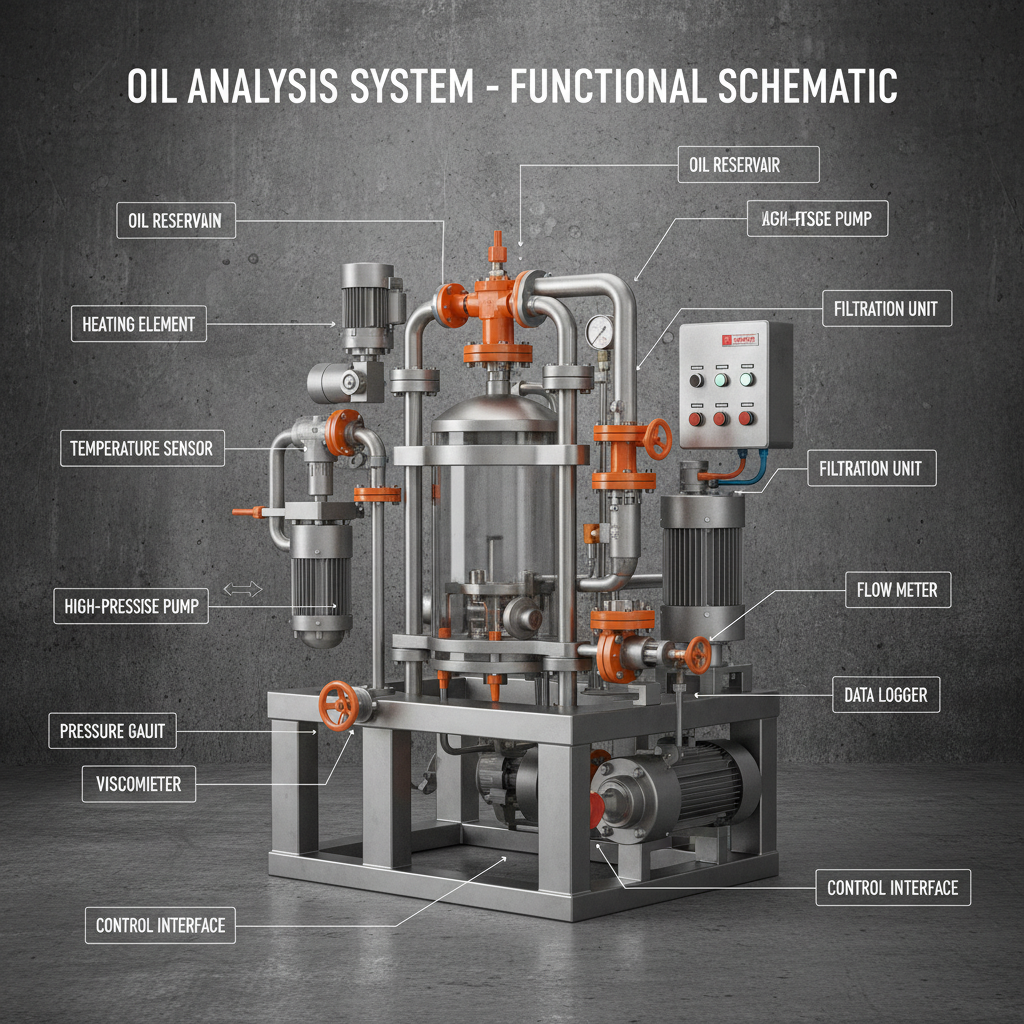
Oil testing isn’t just about identifying contamination; it's a proactive maintenance strategy. Regular oil analysis provides insights into wear debris, viscosity changes, and the presence of harmful elements like water, fuel, or coolant. This information allows for early detection of potential problems, enabling timely intervention and preventing catastrophic failures. Different types of tests address different concerns, from simple visual inspections to sophisticated spectroscopic analyses. By understanding the data provided by oil testing equipment, you can optimize maintenance schedules and reduce overall operating costs.
Key Benefits: Proactive maintenance, reduced downtime, cost savings, extended equipment life, improved oil drain intervals.
Essential Types of Oil Test Equipment
The market offers a diverse range of oil test equipment, each designed for specific analyses. Some common types include viscosity testers, water content analyzers, patch testers, and particle counters. Viscosity testers measure the oil’s resistance to flow, indicating its lubricating properties. Water content analyzers detect the presence of water, which can lead to corrosion and reduced lubrication. Patch testers identify the presence of metallic particles, signaling wear in engine components. Particle counters quantify the amount and size of contaminants, providing a comprehensive assessment of oil cleanliness.
Key Equipment Types:
• Viscosity Testers
• Water Content Analyzers
• Patch Testers
• Particle Counters
Oil Test Equipment Comparison
Selecting the right oil test equipment depends on your specific needs and budget. Here's a comparison of common options:
Factors to Consider When Purchasing
When investing in oil test equipment, consider the following factors: the types of oil you’ll be testing, the accuracy requirements, the volume of samples you’ll be processing, and your budget. Choose equipment that is durable, reliable, and easy to operate. Look for reputable brands with excellent customer support. Also, consider the availability of calibration and maintenance services to ensure the longevity and accuracy of your instruments.
Conclusion: Investing in Reliable Oil Analysis
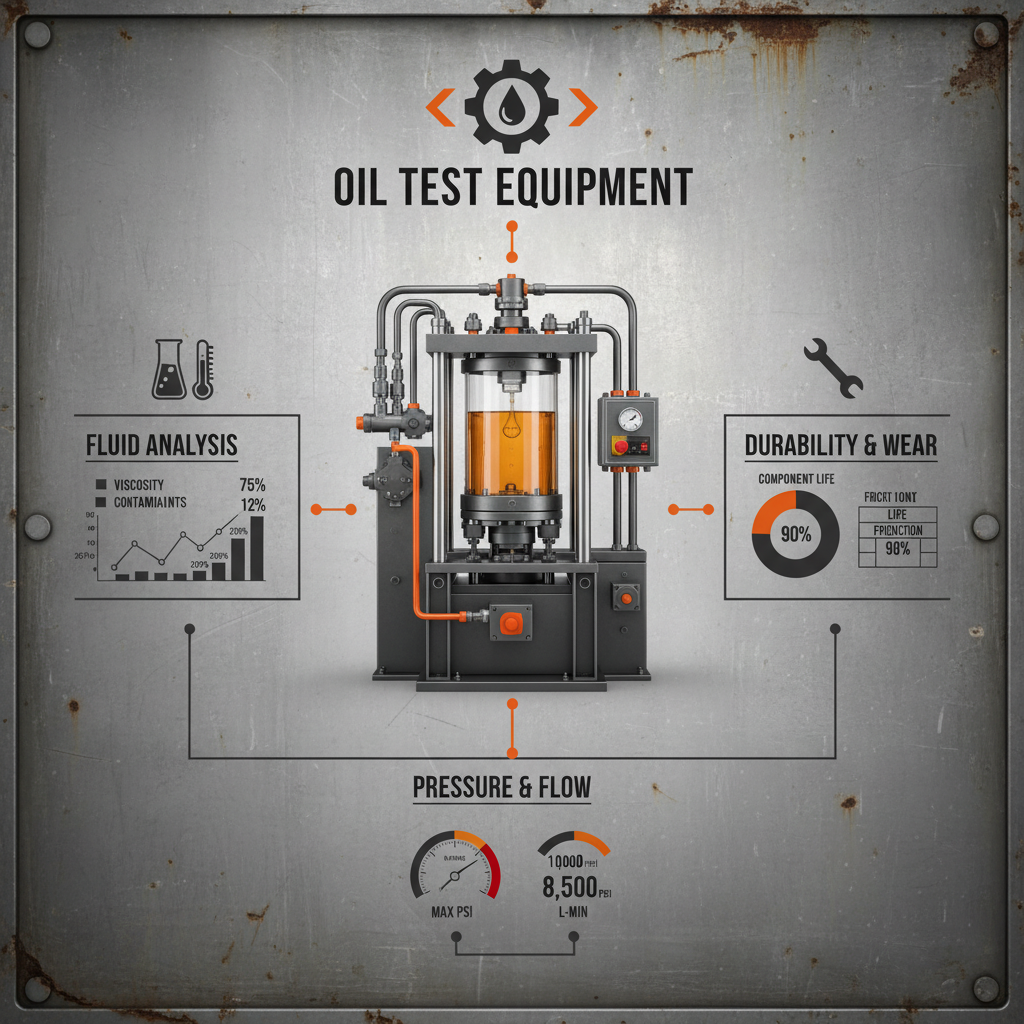
Investing in high-quality oil test equipment is a smart investment for any organization that relies on machinery. By proactively monitoring the condition of your oil, you can prevent costly failures, extend equipment life, and optimize maintenance schedules. Oiltestequip.com offers a comprehensive selection of reliable and accurate testing solutions to meet your specific needs.
Frequently Asked Questions (FAQs)
What is the typical turnaround time for oil analysis results?
Turnaround time varies depending on the complexity of the tests and the laboratory's workload. Simple tests like visual inspections and water content analysis can often be completed within 24-48 hours. More comprehensive analyses, such as spectrographic analysis, may take 3-7 business days. Many labs offer expedited services for urgent situations. It’s best to confirm turnaround times with the specific lab you are using. Faster results allow for quicker decision-making and preventative maintenance.
How often should I perform oil analysis?
The frequency of oil analysis depends on factors like equipment type, operating conditions, and oil type. As a general guideline, it's recommended to perform oil analysis at initial oil fill, during break-in periods, and then at regular intervals based on operating hours or calendar time. For critical equipment, more frequent analysis may be necessary. Consult with an oil analysis expert to develop a customized sampling schedule for your specific application.
What are the benefits of using a portable oil test kit?
Portable oil test kits offer the convenience of on-site analysis, allowing for quick assessments and immediate decision-making. They are particularly useful for remote locations or applications where sending samples to a lab is impractical. While portable kits may not provide the same level of detail as a full laboratory analysis, they can effectively identify critical issues like water contamination or particle counts, enabling timely corrective actions. Oiltestequip.com offers a range of portable kits for various applications.
What kind of training is required to operate oil test equipment?
The level of training required depends on the complexity of the equipment and the types of tests being performed. Basic equipment like patch testers generally require minimal training. However, more sophisticated instruments like particle counters and spectrometers typically require specialized training to ensure accurate operation and data interpretation. Many manufacturers, including Oiltestequip.com, offer training programs or resources to help users effectively utilize their equipment.
-
Guide to Choosing the Right Industrial Oil Testing Kit for MachineryNewsApr.16,2026
-
The Ultimate Guide to Transformer Oil Analysis for Grid ReliabilityNewsApr.09,2026
-
Comprehensive Guide to Transformer Oil Testing and Maintenance ProceduresNewsApr.07,2026
-
Comprehensive Guide to Selecting the Right Oil Test Equipment for Machinery HealthNewsApr.04,2026