TEL:
+86-0312-3189593
 English


Telephone:0312-3189593

Email:sales@oil-tester.com

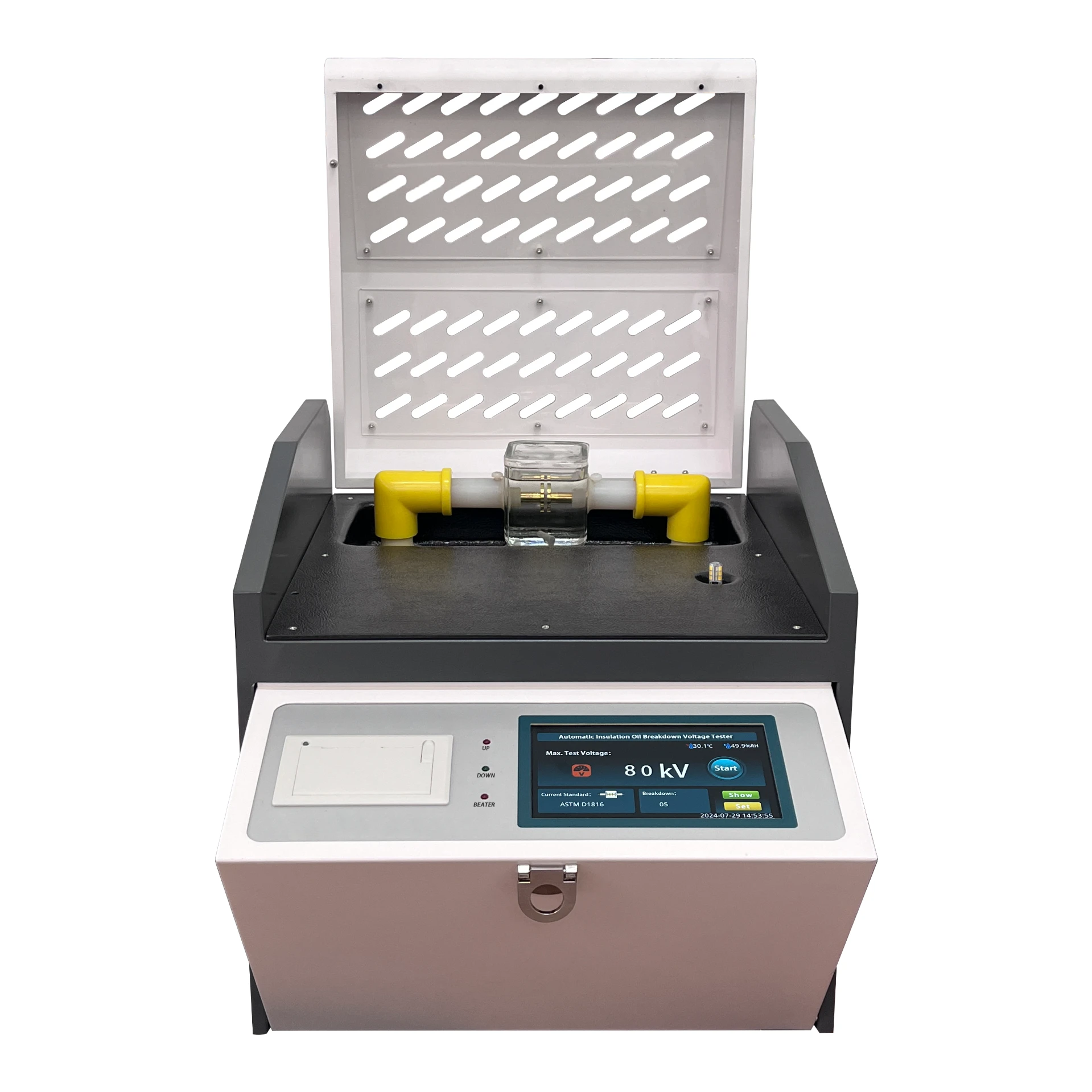
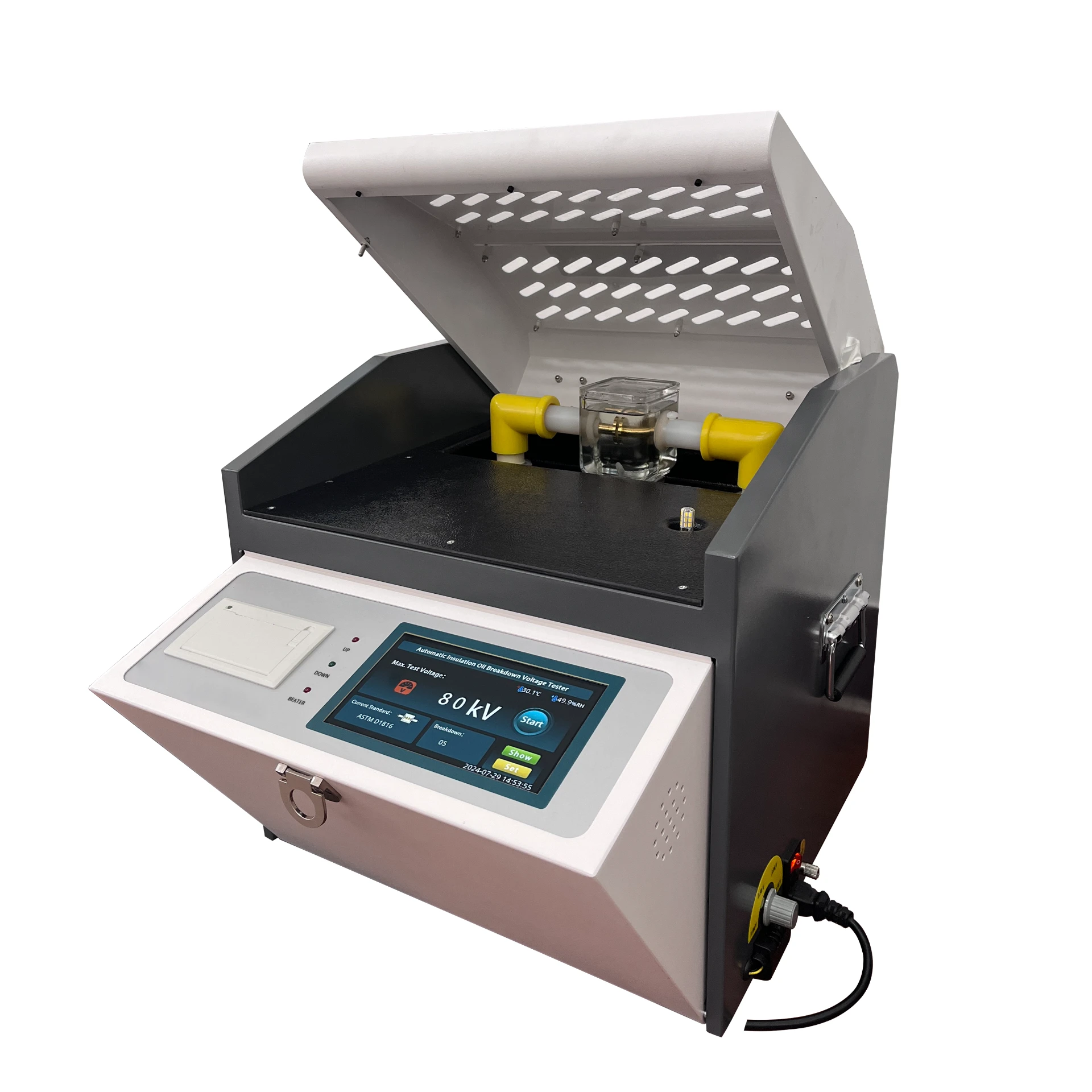
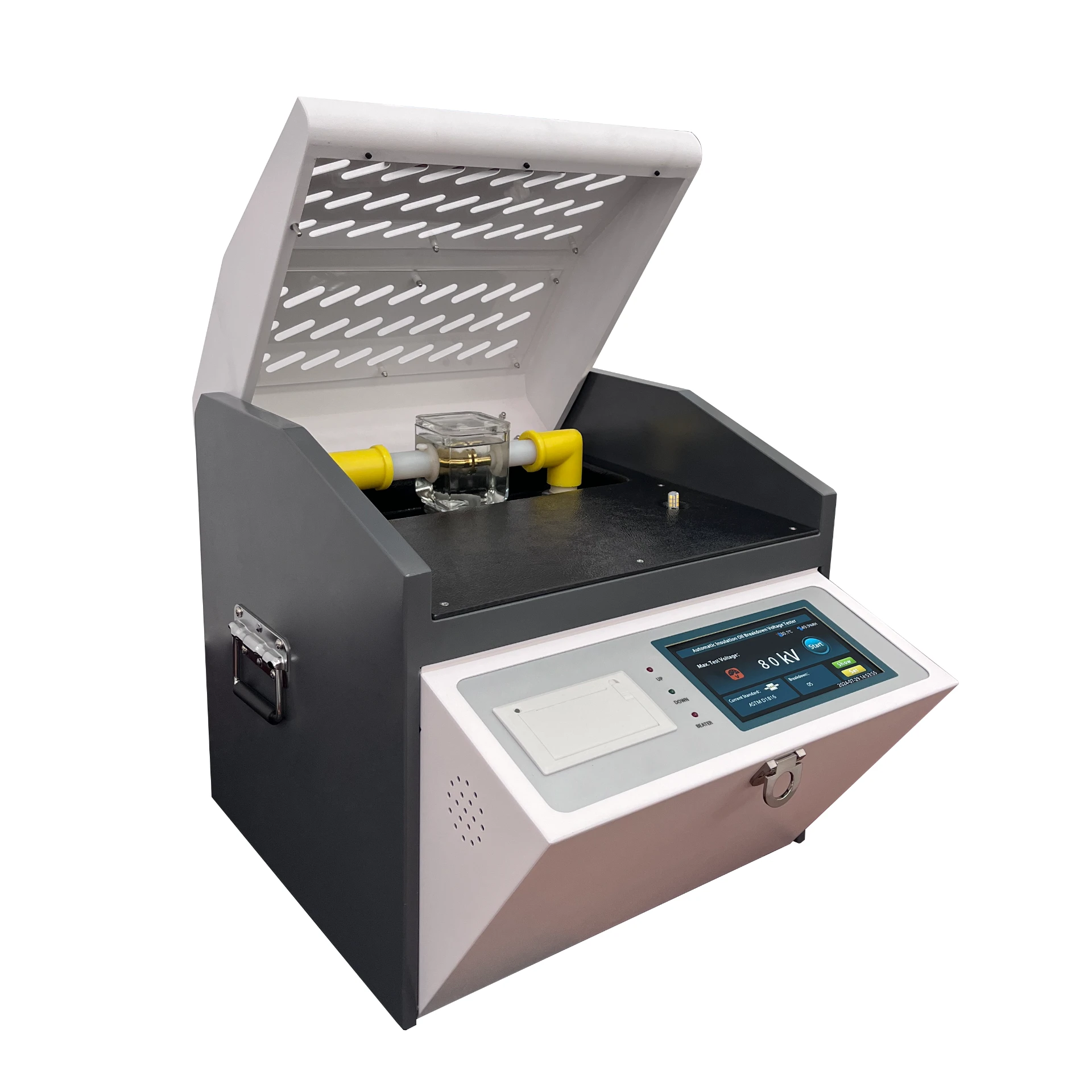
Product Selling Point Introduction
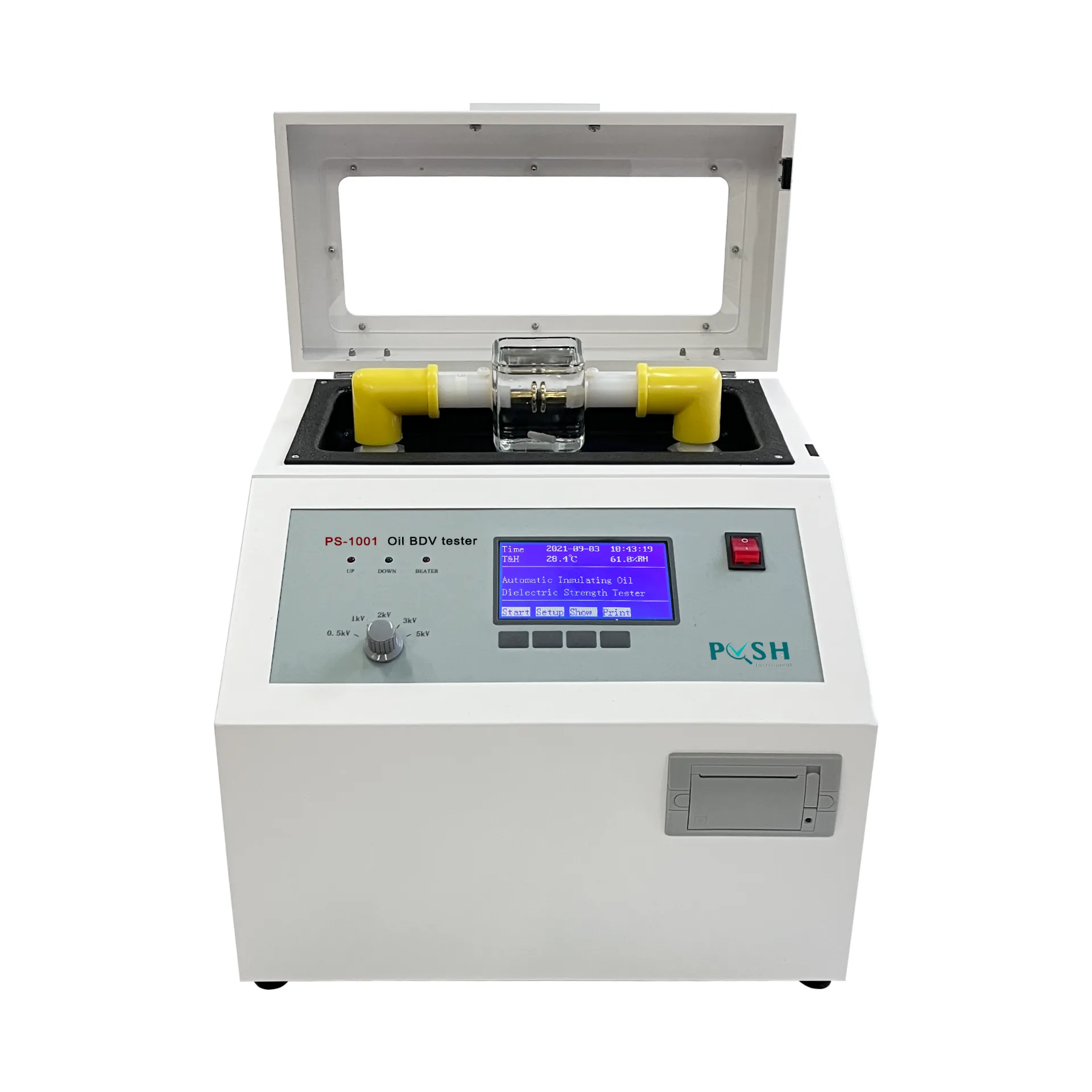
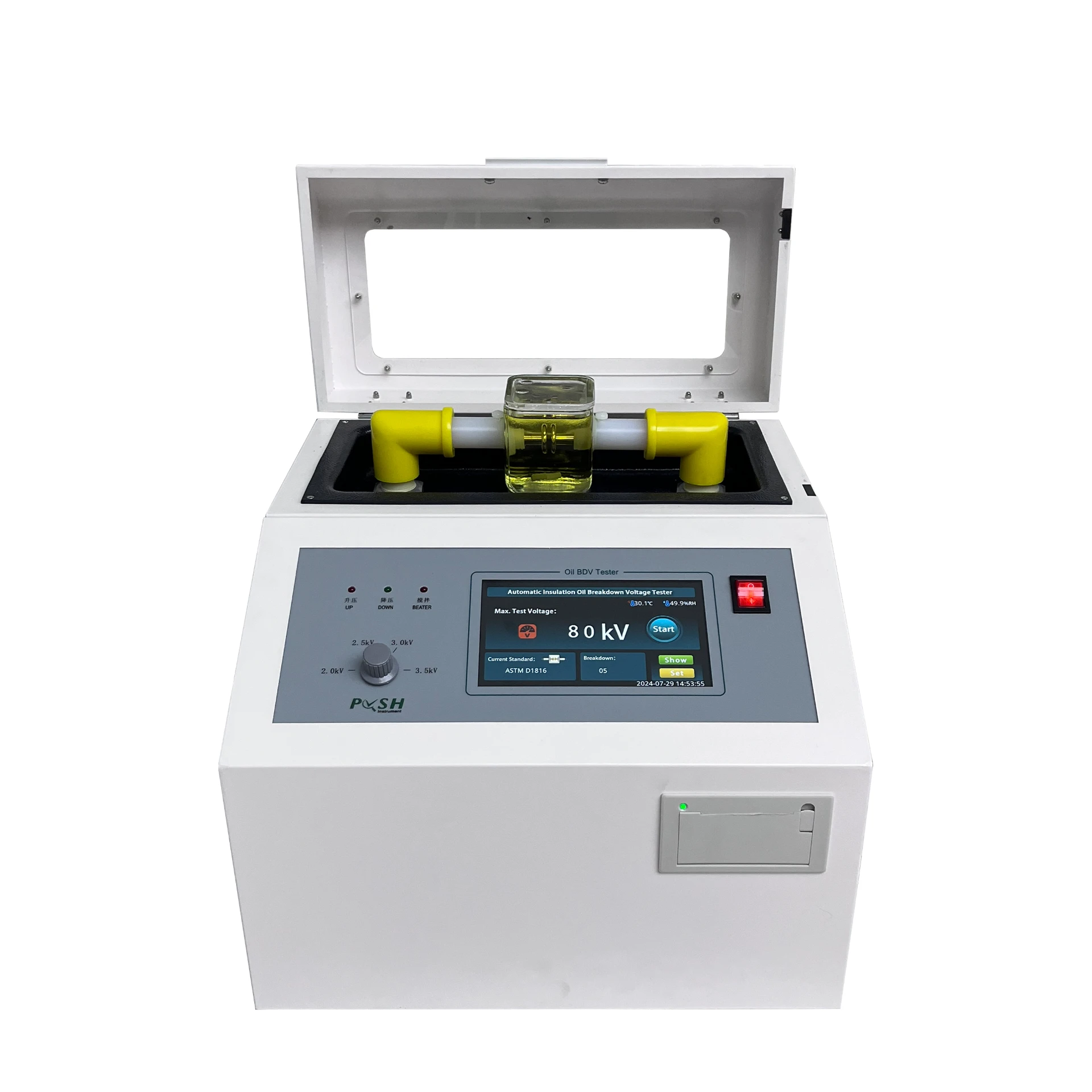
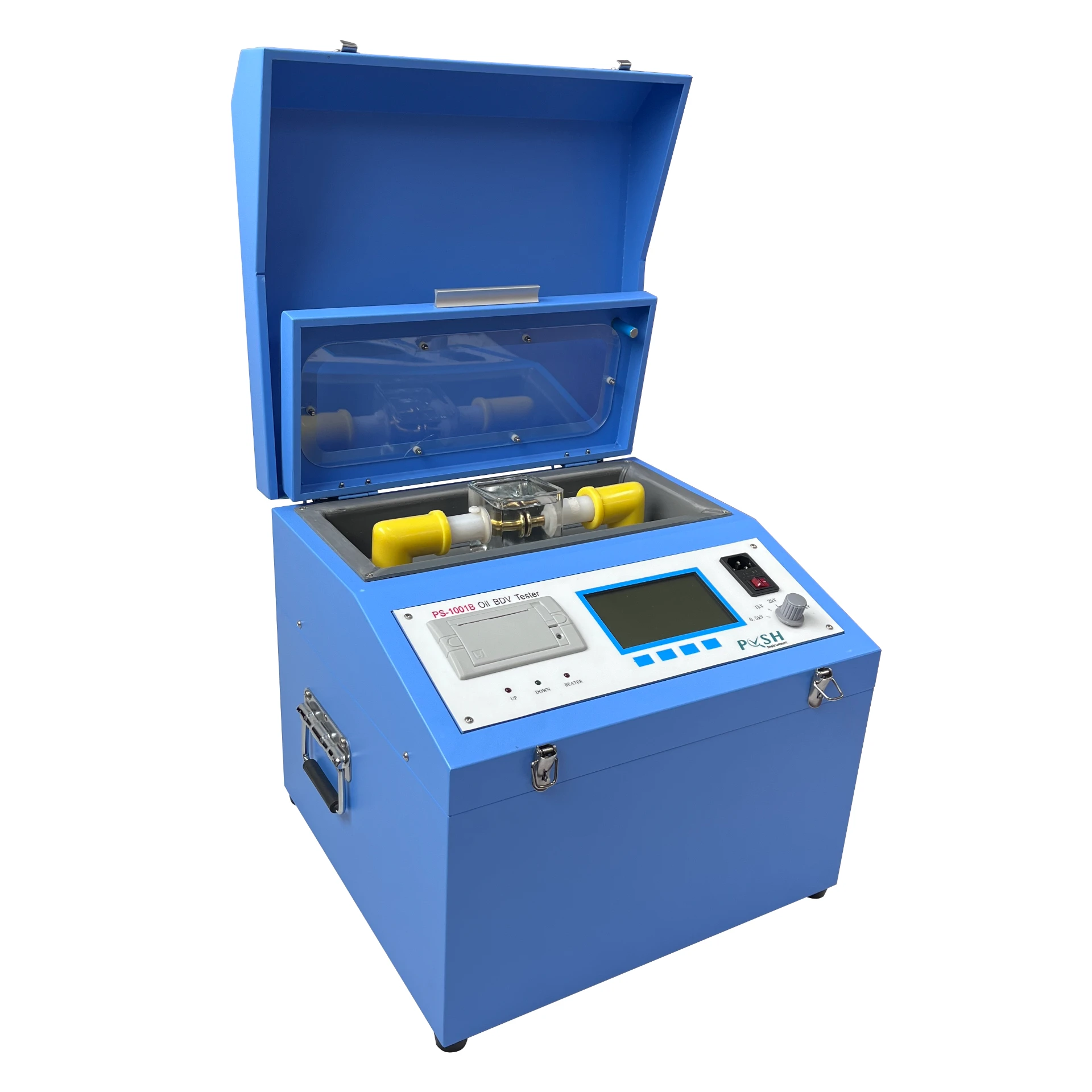
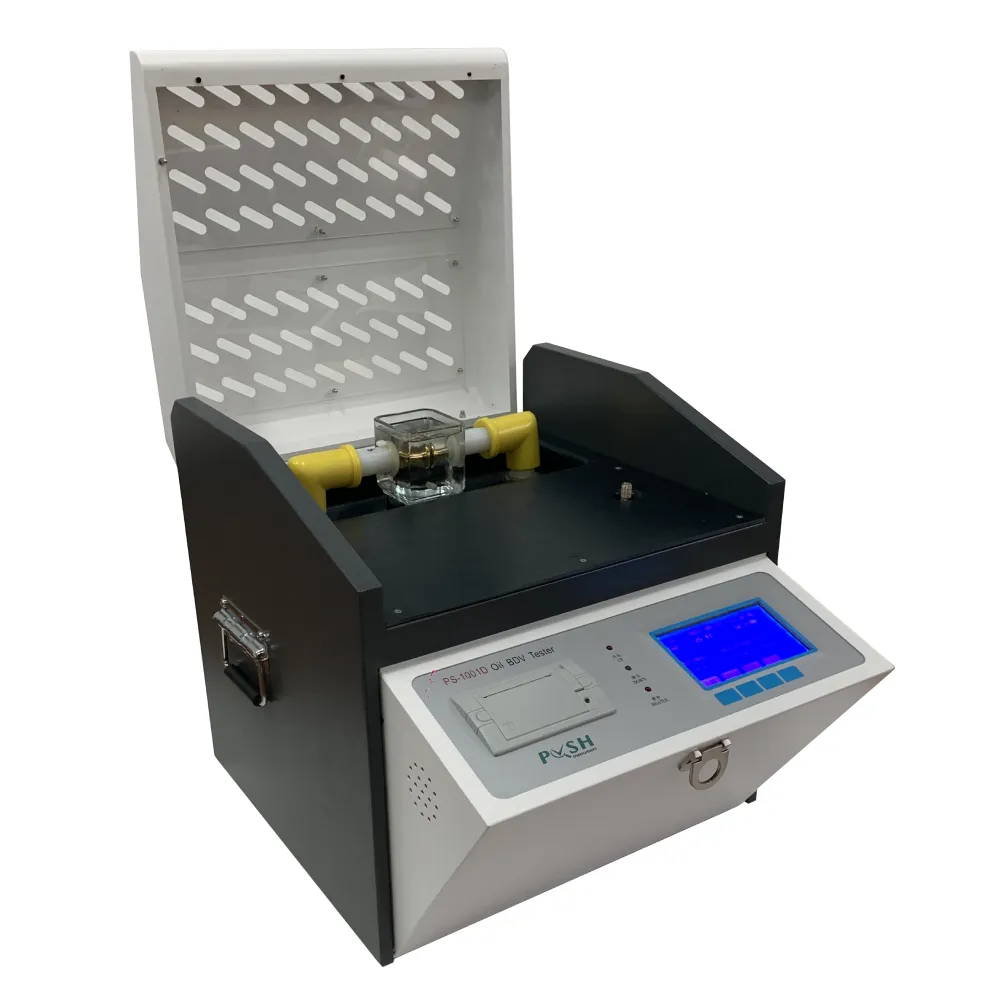
- 1, The instrument is controlled by a large capacity single chip microcomputer, and the work is stable and reliable.
2, There is a wide range watchdog circuit in the instrument to eliminate the phenomenon of death.
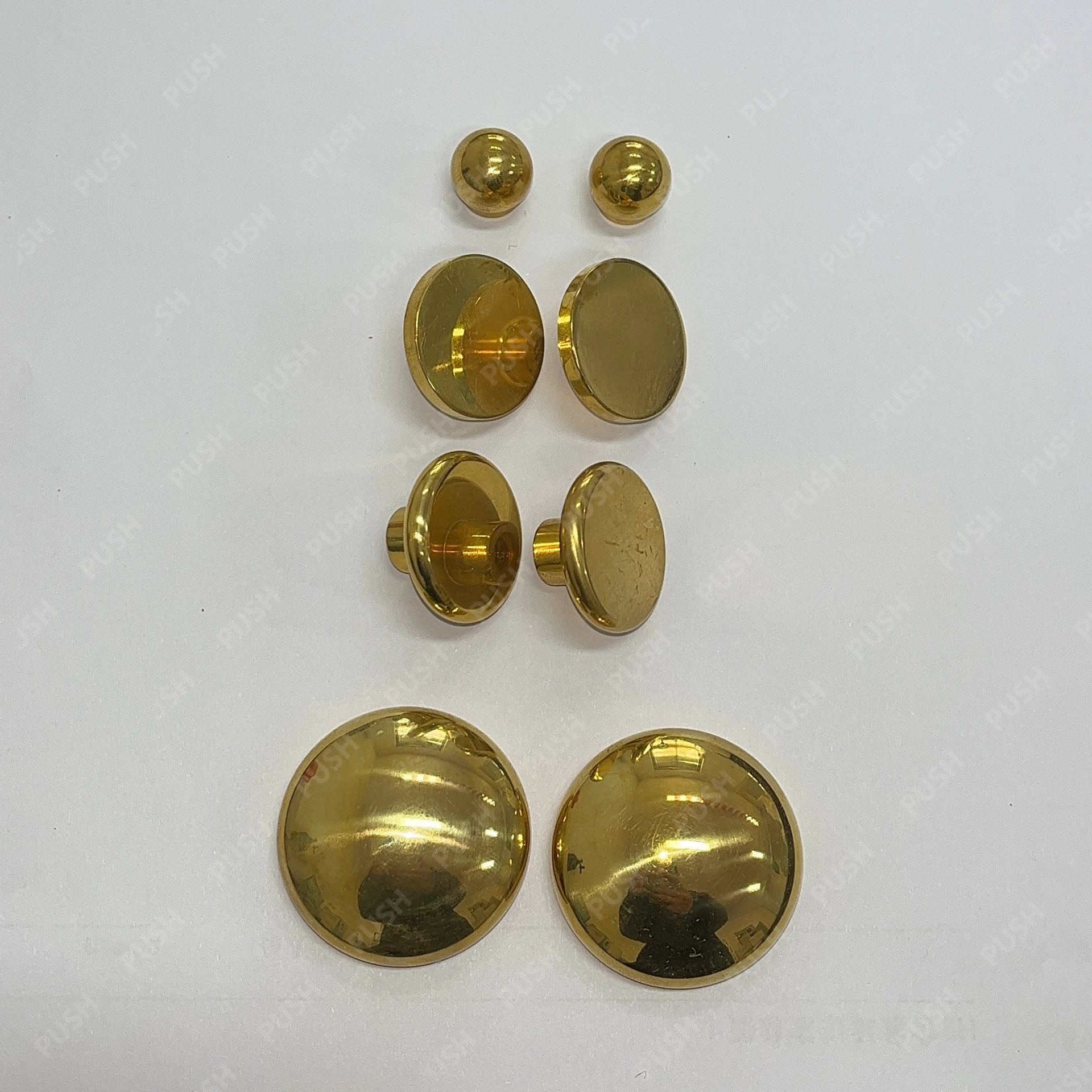
3, A variety of operation options, the instrument with astm d1816, astm d877 ,IEC156 three national standard methods and custom operation, can adapt to different users of a variety of choices;
4, An instrument using special glass mold for one time, prevent the occurrence of oil spills and other interference phenomenon;
5, The unique high voltage terminal sampling design of the instrument allows test values to directly enter the A/D converter, avoiding the errors caused by analog circuits, and making the measurement results more accurate.
6, The instrument has the functions of over current, overvoltage, short circuit and so on, and has very strong anti-interference ability and good electromagnetic compatibility.
7, Portable structure, easy to move, easy to use both inside and outside.
Product Parameters
Name | Indicators |
Output voltage | 0~80 kV(or 0-100kV) |
THVD | <1% |
Pressure rate | 0.5~5.0 kV/s |
Booster capacity | 1.5 kVA |
Measurement accuracy | ±2% |
Supply voltage | AC 220 V ±10% |
Power frequency | 50 Hz ±2% |
Power | 200 w |
Applicable temperature | 0~45℃ |
Applicable humidity | <85 % RH |
Width * height * depth | 410×390×375 (mm) |
Net weight | ~ 32 kg |
Video
Write your message here and send it to us
Related News
-
 Precision Guide to the Electrode Used in Potentiometric TitrationPrecision Measurement: The Role of the Electrode Used in Potentiometric Titration In the realm of analytical chemistry and industrial quality control, achieving absolute precision is non-negotiable. The electrode used in potentiometric titration serves as the heart of this process, converting chemical activity into a measurable electrical potential. Whether you are analyzing petroleum products, environmental water samples, or pharmaceutical compounds, the selection of the right sensor determines the accuracy of your endpoint detection. By eliminating the subjectivity of visual color indicators, potentiometric methods provide a scientific, repeatable approach to quantitative analysis. In this guide, we will explore the technical intricaciesDetail
-
 High Precision Analysis Using the Potentiometer TitratorPrecision Analysis with the Potentiometer Titrator: An Industry Overview In the realm of high-precision chemical analysis, the potentiometer titrator serves as a critical instrument for determining the concentration of identified analytes in a solution. By measuring the potential difference between two electrodes, these devices provide unmatched accuracy in volumetric analysis, particularly in the oil and petroleum industries. Whether you are monitoring fuel quality or analyzing industrial lubricants, the ability to detect the exact equivalence point is paramount. This guide explores the technical superiority, applications, and operational benefits of integrating advanced titration systems into your laboratory workflow to ensure rigorous quality controlDetail
-
 Optimize Petroleum Analysis with Pour Point Test EquipmentOptimizing Petroleum Analysis with Pour Point Test Equipment In the petrochemical and lubricant industries, understanding the low-temperature flow properties of oil is critical for operational safety and efficiency. High-quality pour point test equipment provides the precise measurements needed to determine the lowest temperature at which a liquid remains pourable. Whether dealing with lubricating oils, fuels, or hydraulic fluids, ensuring that these substances do not solidify in cold climates is essential to prevent engine failure and system blockages. This guide explores the technical nuances, industrial applications, and the importance of choosing professional-grade instrumentation for petroleum analysis.Detail