English



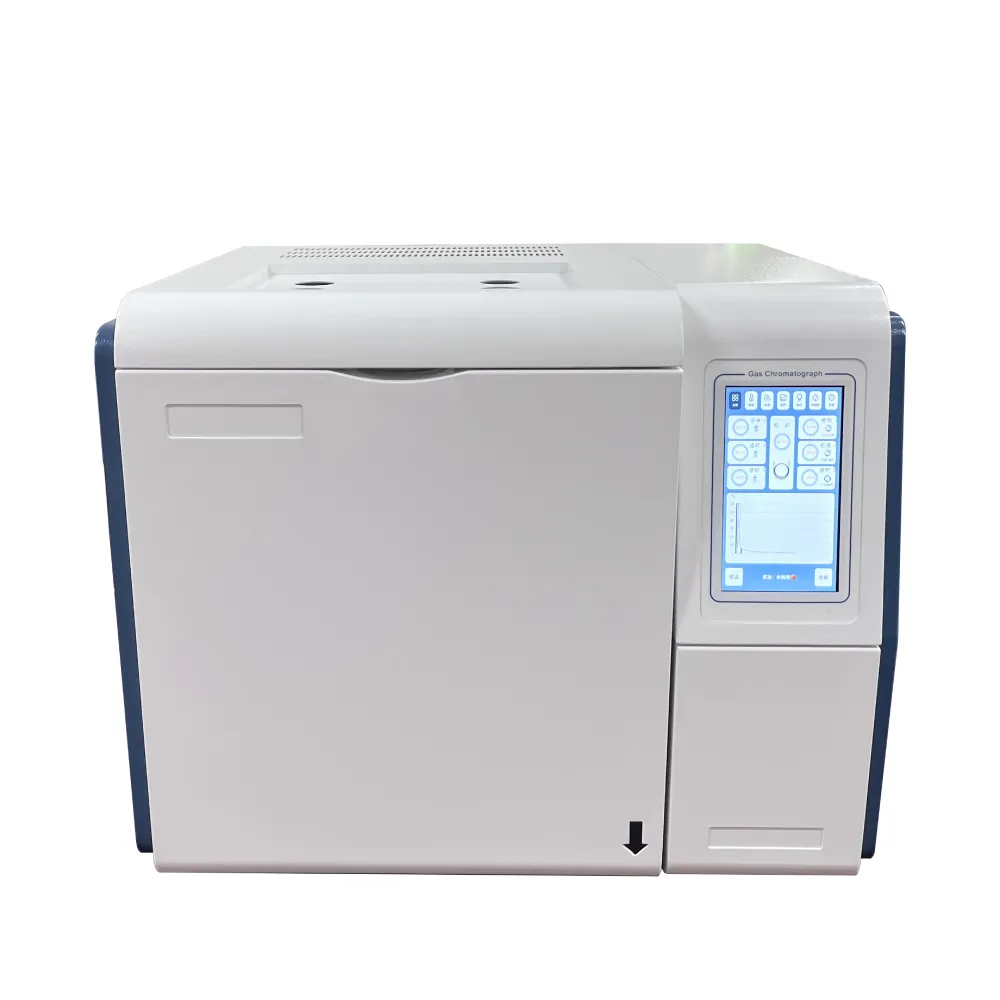
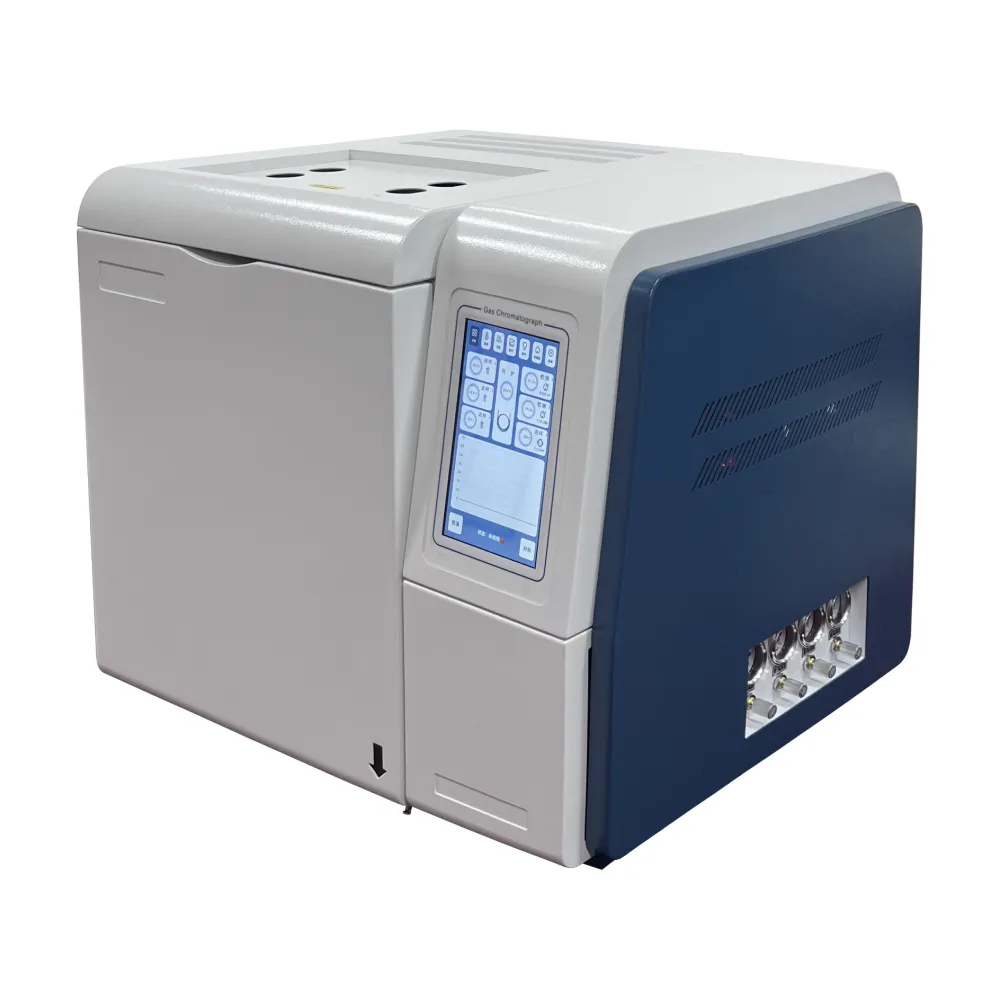
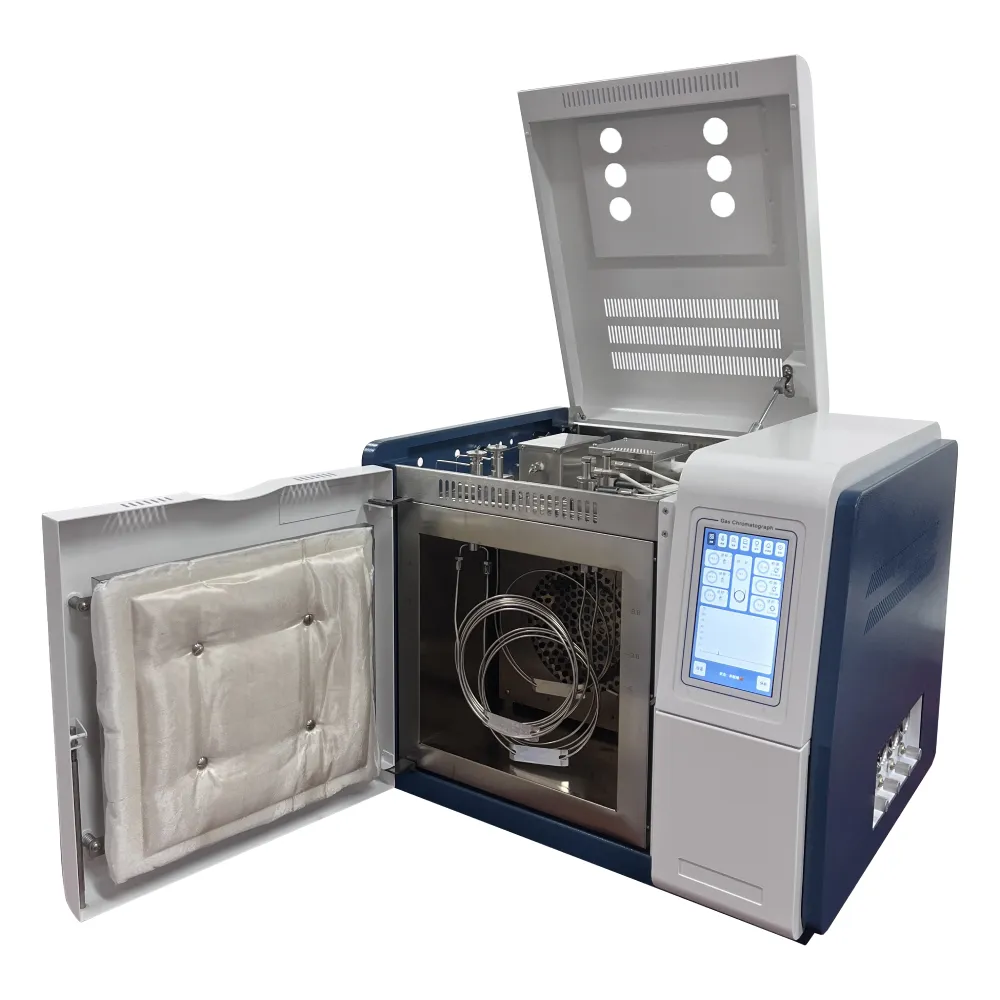
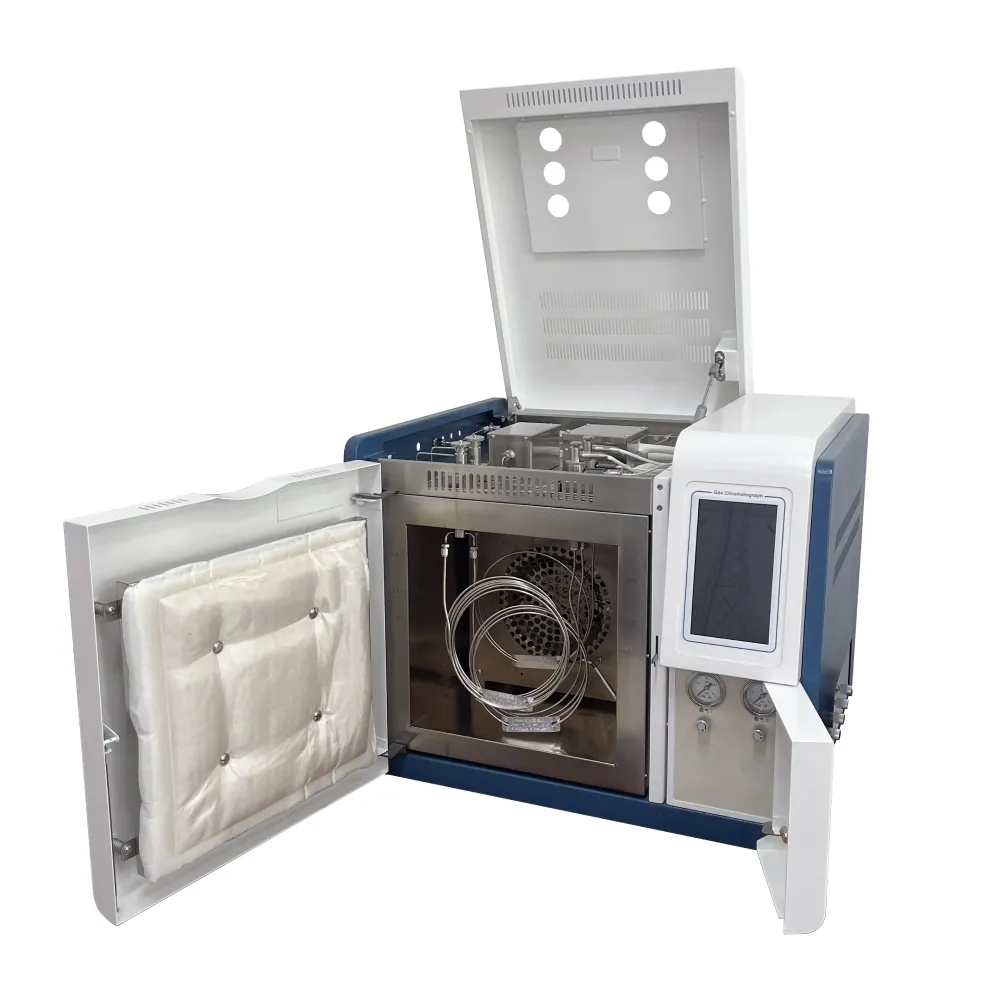
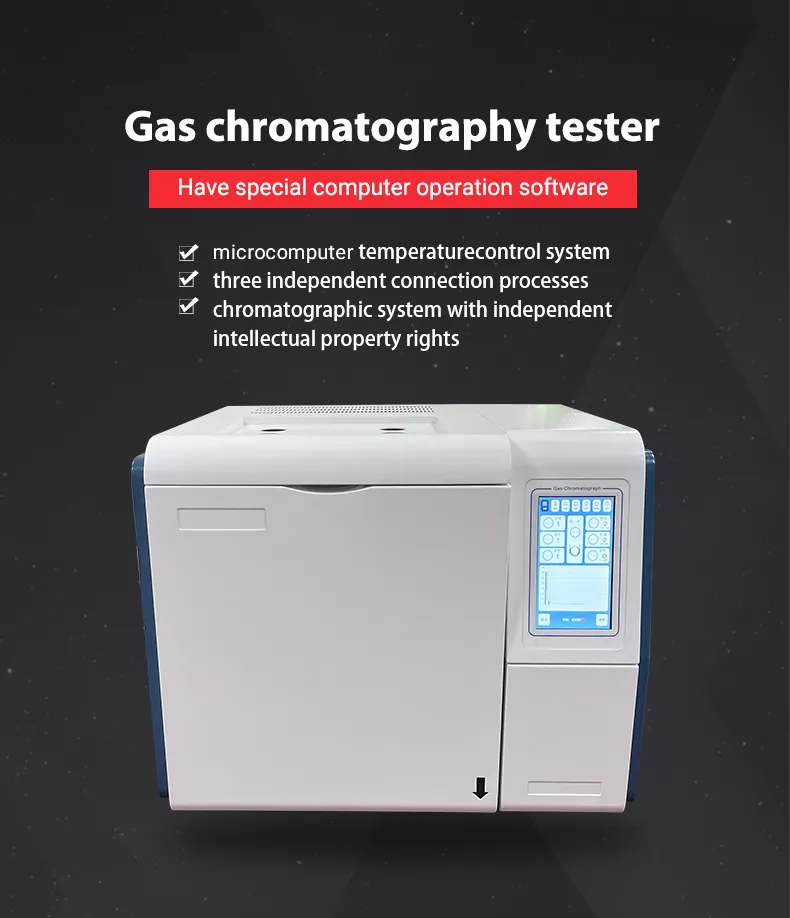
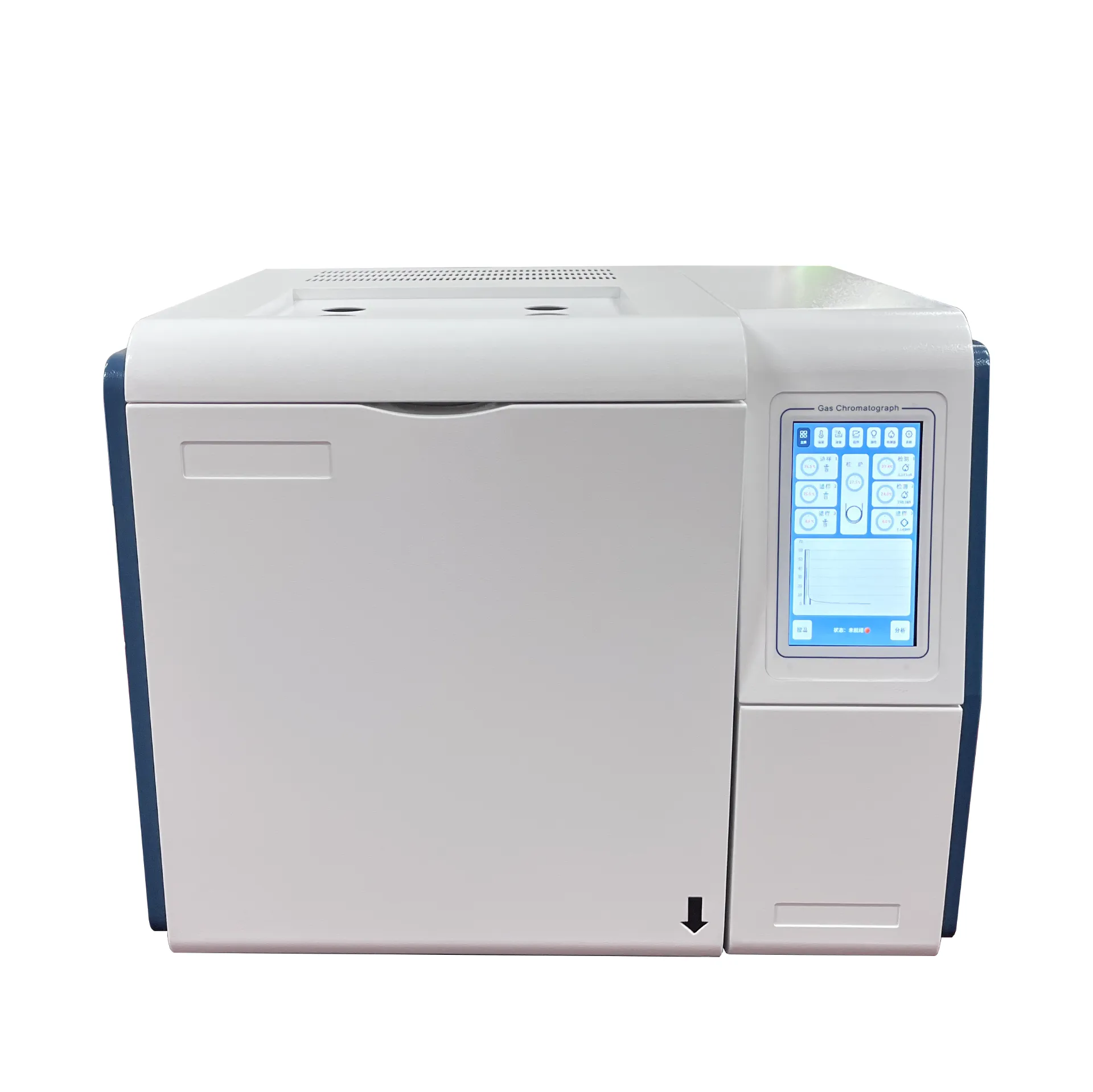
1, Wide variety of detector units
It can be equipped with a variety of detectors to meet the analysis needs of different fields. The leading injection port design is suitable for a variety of sampling methods, such as headspace sampling, thermal analysis sampling, etc., and is easily capable of analyzing various samples.
2, Powerful detection of its extension function
The detector and its control components adopt a unitized combination design, and the extended control mode system is plug-and-play.
3, Ultra-efficient rear door design
The intelligent rear door temperature control system ensures the stability of the column chamber temperature in any area, and the cooling speed is fast, which can realize the real near room temperature operation.
It has a powerful self-diagnosis function when starting up, intuitive display of fault information, power failure storage protection function, automatic screen saver and anti-power interference ability
- Temperature control area: 8-way independent temperature control system, with automatic temperature protection function, independent small column oven heating area can be set
- Screen size: 7-inch industrial color LCD screen
- Language: Chinese/English two operating systems
- Column box, gasification chamber, detector temperature range: room temperature +5°C ~ 450°C
- Temperature setting accuracy: 0.1°C
- Maximum heating rate: 80°C/min
- Cooling speed: from 350°C to 50°C<5min
- Intelligent rear door: stepless adjustment of air volume in and out
- Program heating order: 16 order (expandable)
- The longest run time: 999.99min
- Injection mode: capillary column split/splitless injection (with diaphragm purge function), - packed column injection, valve injection, gas/liquid automatic sampling system, etc.
- Injection valve: It can be equipped with multiple automatic control valves for automatic sequence operation
- Number of detectors: 4
- Detector type: FID, TCD, ECD, FPD, NPD, PDHID, PED, etc.
Hydrogen Flame Detector (FID)
Minimum detection limit: ≤3.0*10-12g/s (n-hexadecane/isooctane)
Dynamic linear range: ≥107
With fire detection and automatic re-ignition function
Wide-range logarithmic amplifier circuit to improve the linear range
Thermal Conductivity Detector (TCD)
Sensitivity: ≥10000mv.mL/mg (benzene/toluene)
Dynamic linear range: ≥105
Micro-cavity design, small dead volume, high sensitivity, with gas cut-off protection function
Flame Photometric Detector (FPD)
Minimum detection limit: S≤2×10-11 g/s (methyl parathion)
P≤1×10-12 g/s (methyl parathion)
Dynamic linear range: S≥103; P≥104
The internal pipeline is fully passivated, and there is no cold spot for organic phosphorus
-
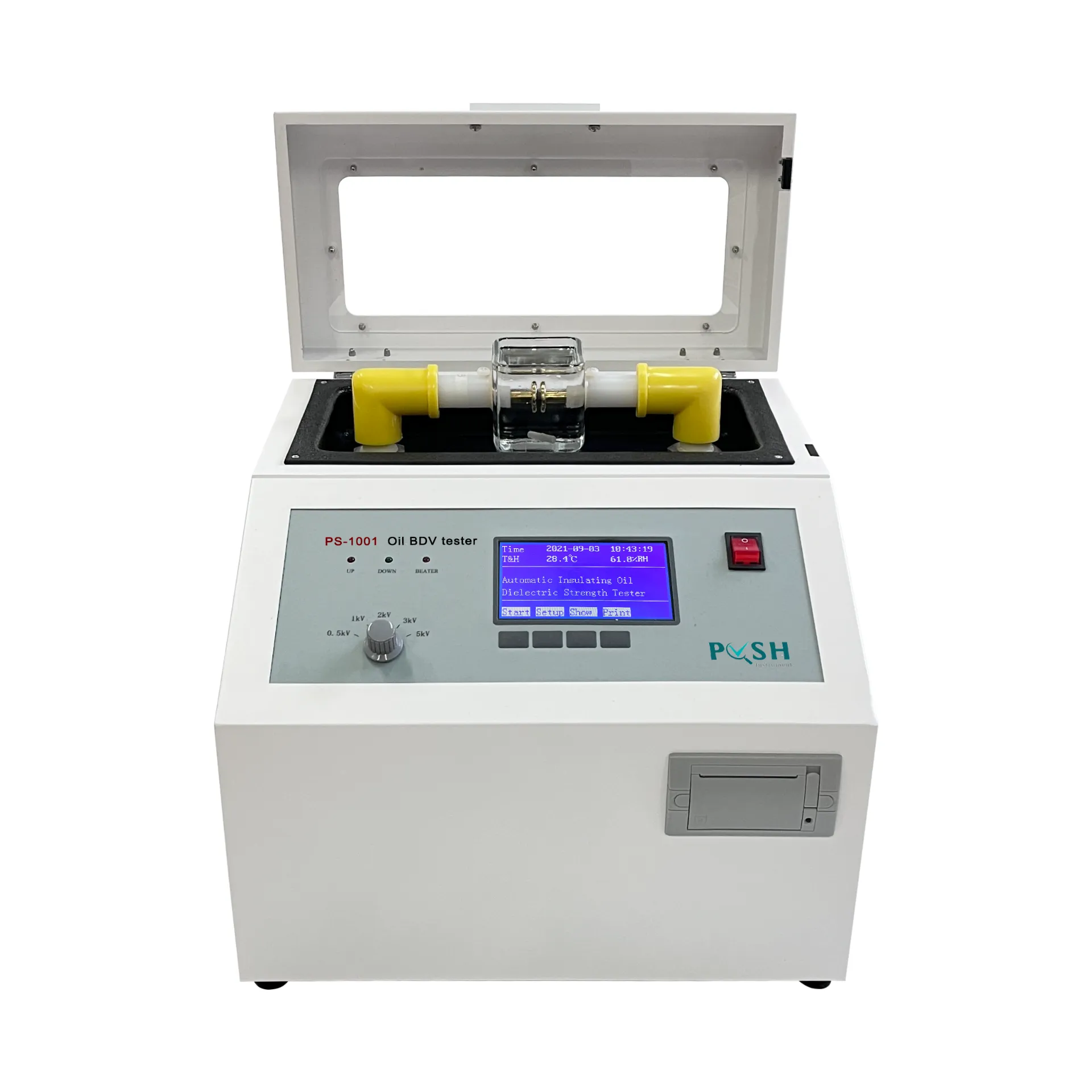
 Guide to Choosing the Right Industrial Oil Testing Kit for MachineryMaintaining industrial machinery requires more than just regular lubrication; it demands precise monitoring of lubricant health. An oil testing kit serves as the first line of defense against catastrophic equipment failure. By analyzing oil quality on-site, maintenance teams can detect contamination, oxidation, and wear particles before they lead to costly downtime. Whether you are managing a fleet of heavy machinery or a complex manufacturing plant, understanding the capabilities of your testing tools is essential for maximizing operational efficiency. In this guide, we will explore how to select and utilize the best tools for your specific industrial needs.Detail
 -
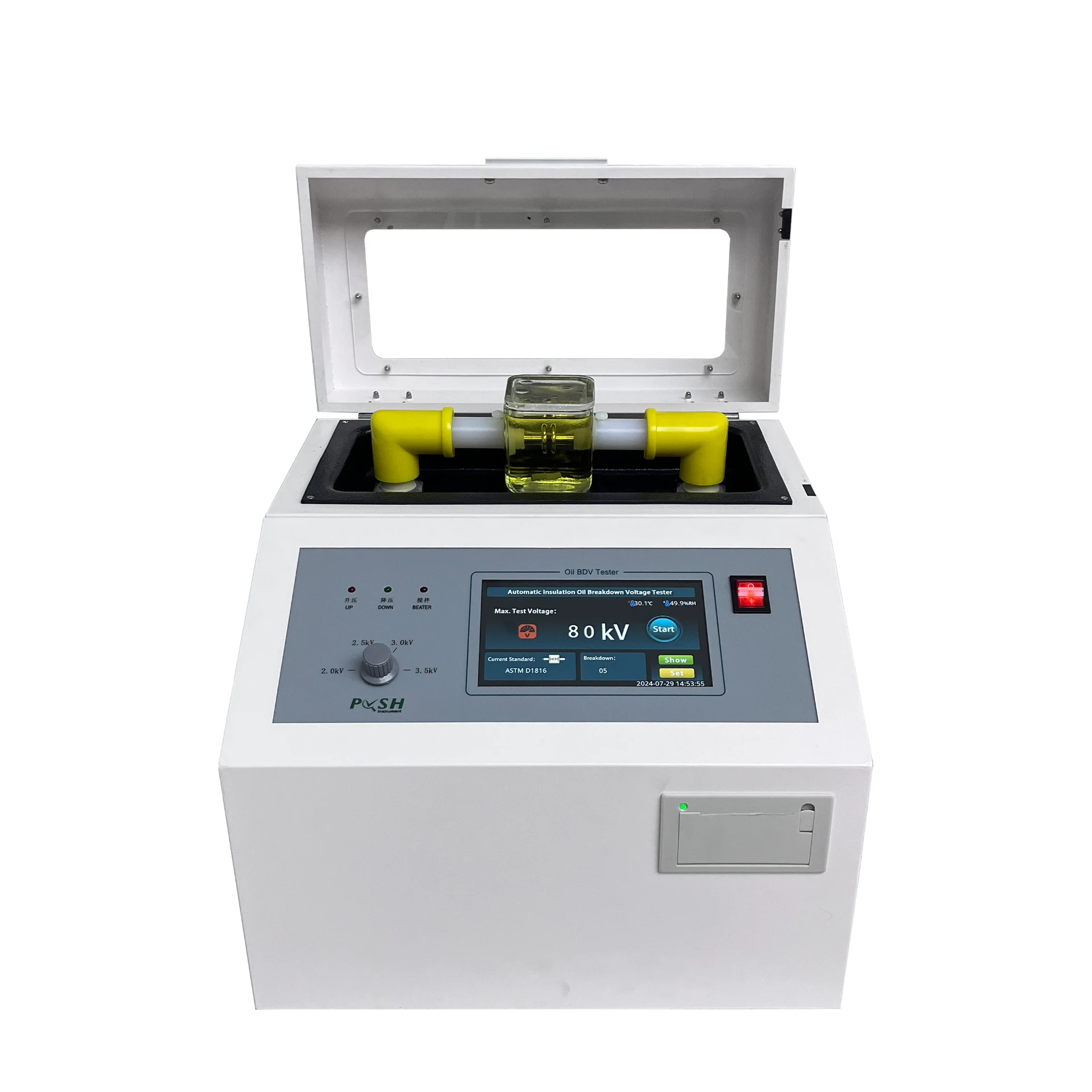
 The Ultimate Guide to Transformer Oil Analysis for Grid ReliabilityMaintaining the health of electrical transformers is critical for preventing catastrophic failures and ensuring an uninterrupted power supply. One of the most effective ways to monitor this health is through professional transformer oil analysis, a process that acts as a blood test for your high-voltage equipment. By examining the physical, chemical, and dissolved gas properties of the insulating oil, engineers can detect early signs of overheating, electrical discharge, or insulation degradation. In this comprehensive guide, we will explore how systematic oil testing can extend the lifespan of your assets and reduce unplanned downtime.Detail
 -
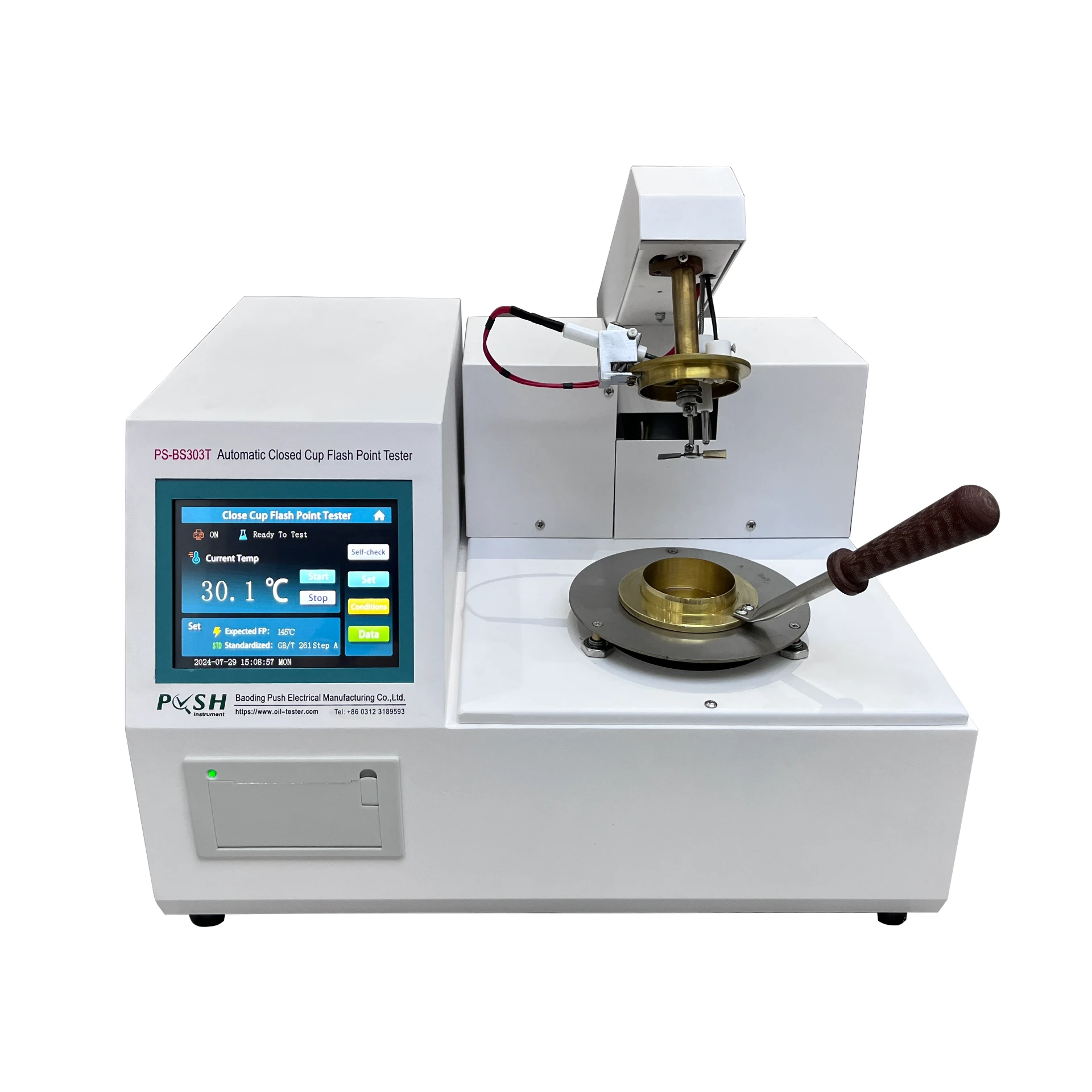
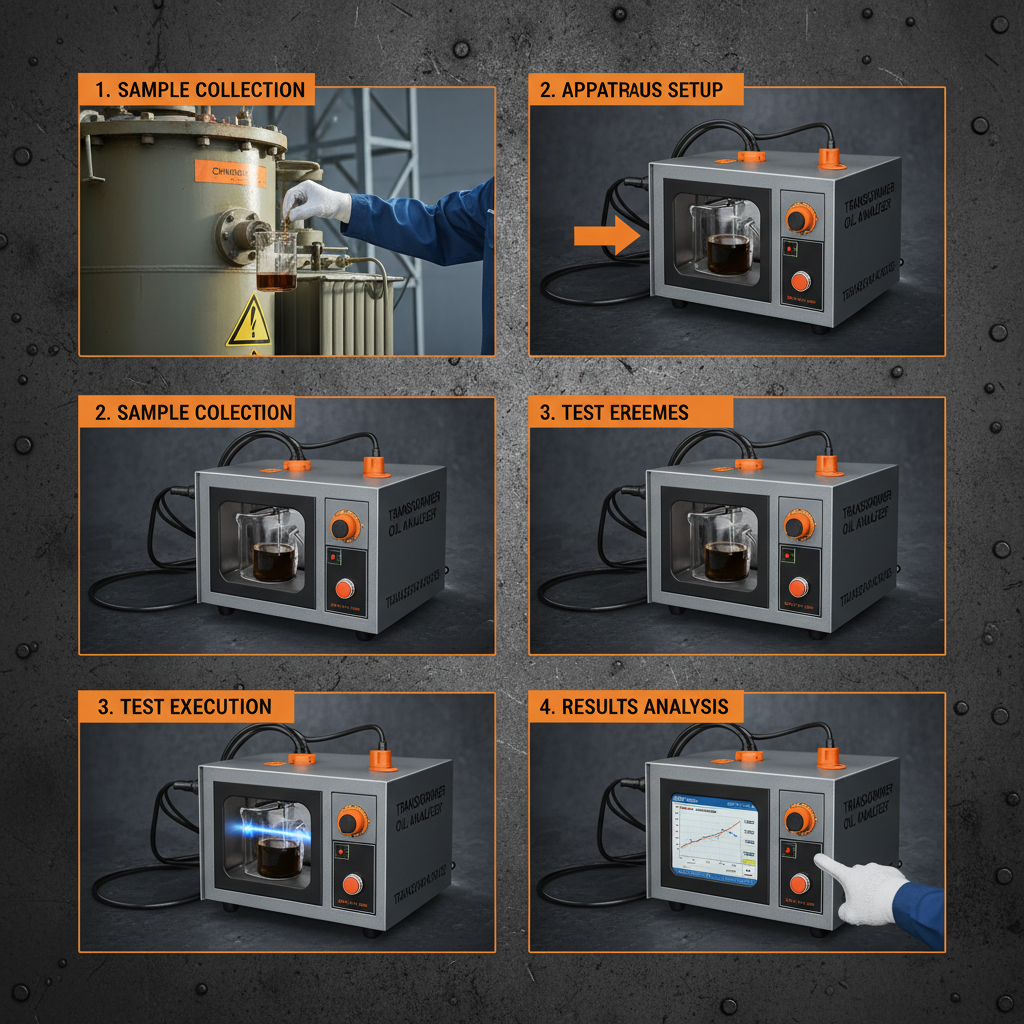 Comprehensive Guide to Transformer Oil Testing and Maintenance ProceduresMaintaining the health of your transformers is crucial for reliable power distribution. Regular transformer oil testing identifies potential issues before they lead to costly downtime or equipment failure. This article will detail the key tests performed, the importance of each, and how advancements in testing equipment are improving accuracy and efficiency.Detail