English



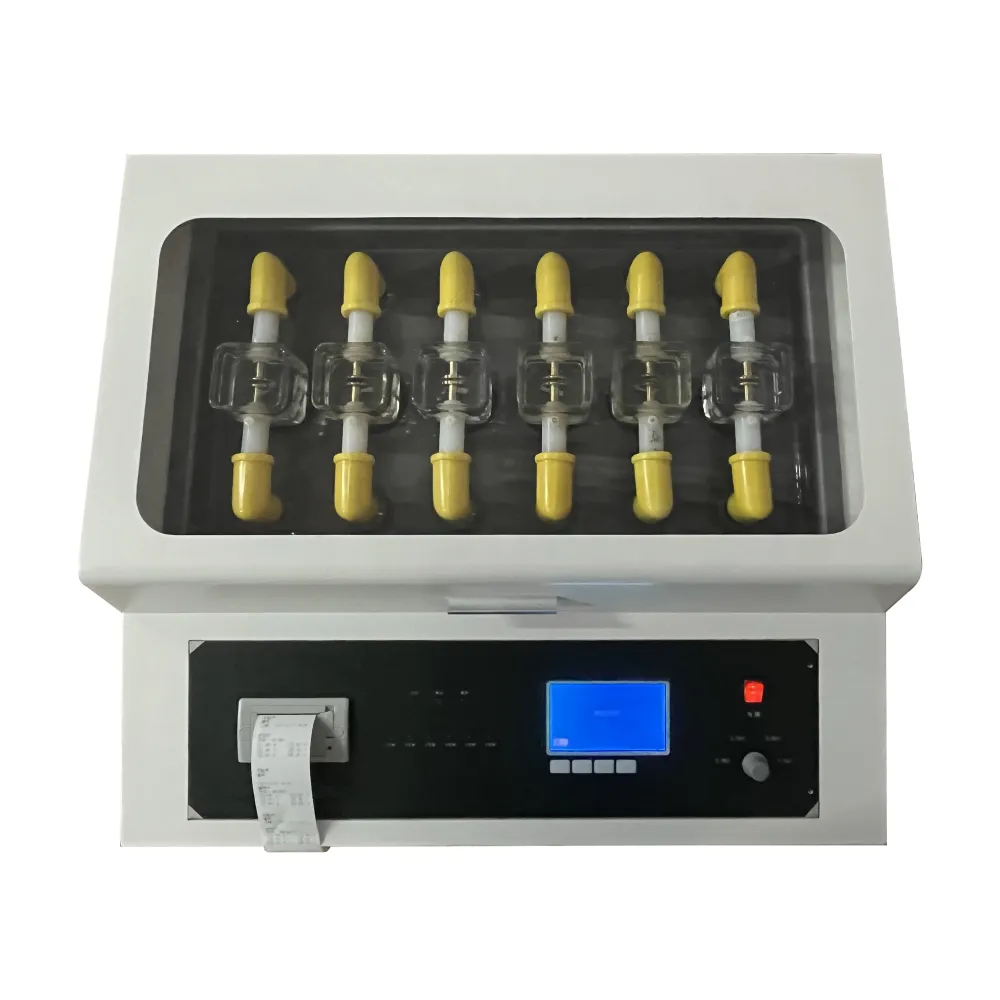
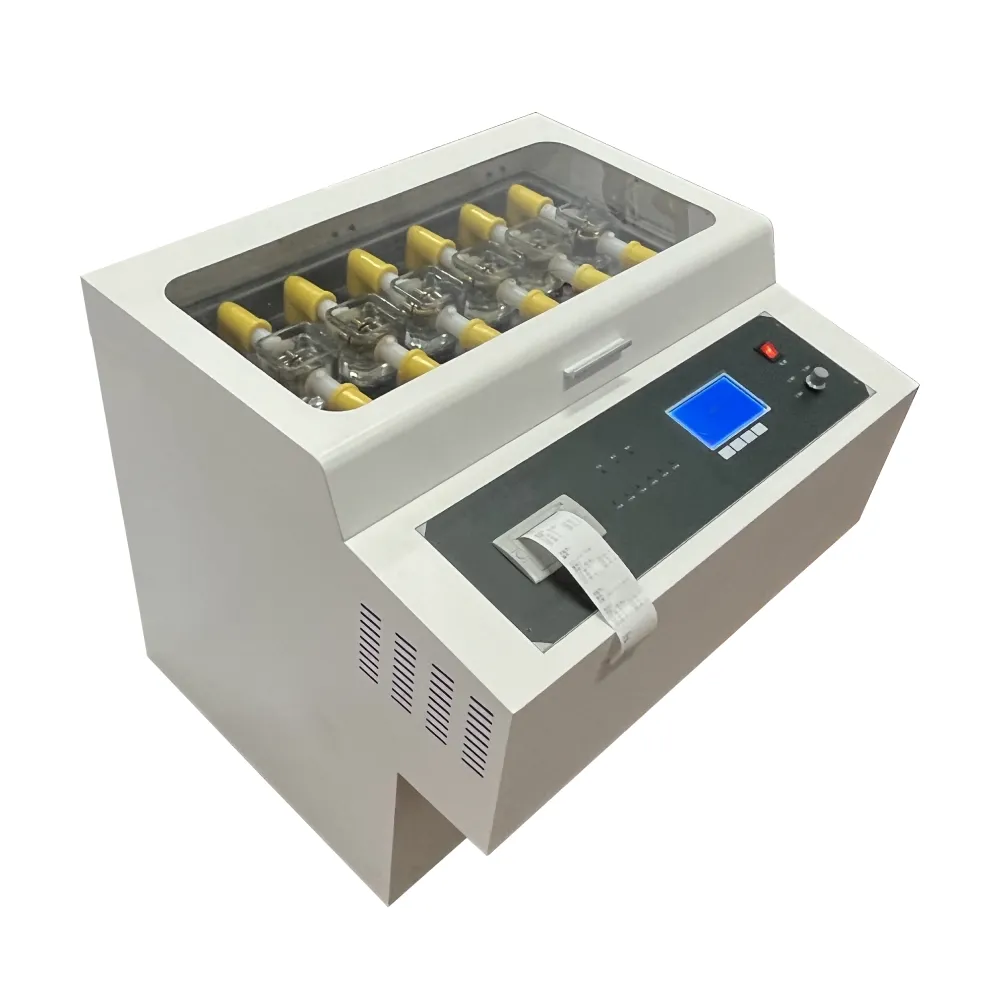
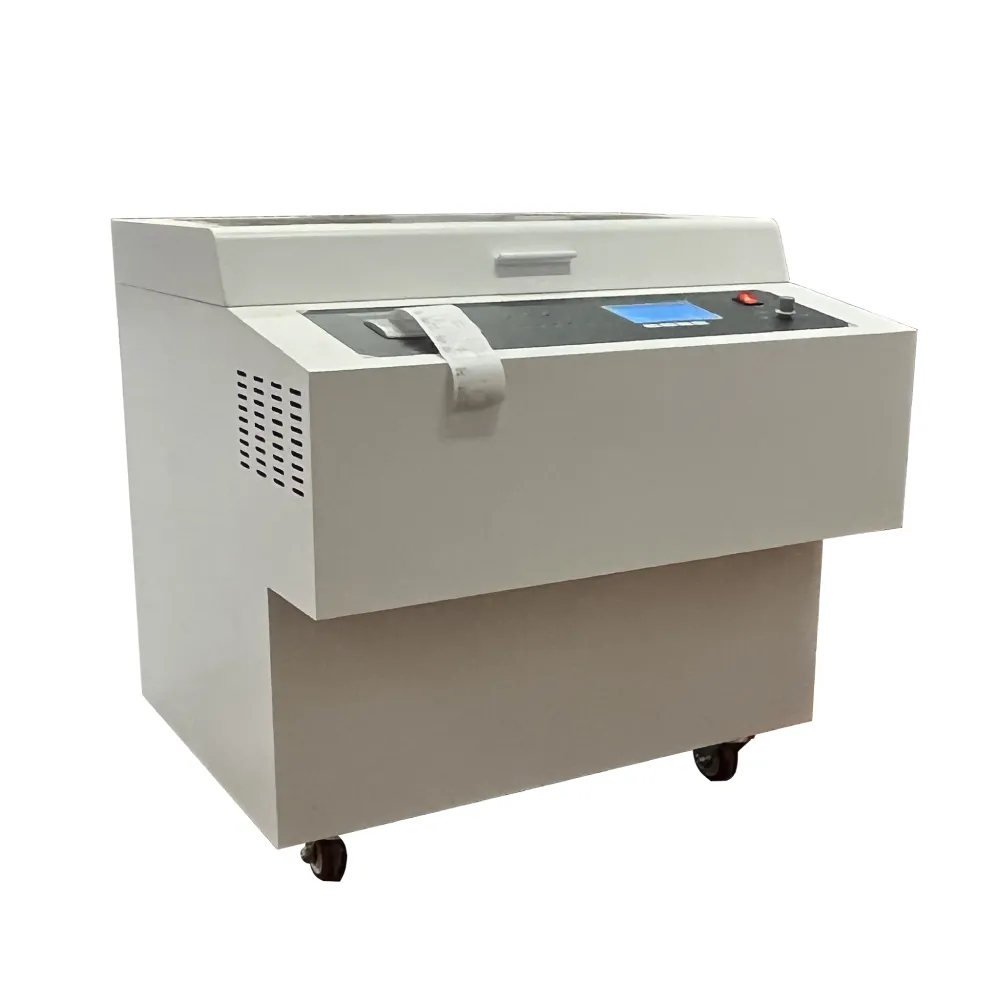
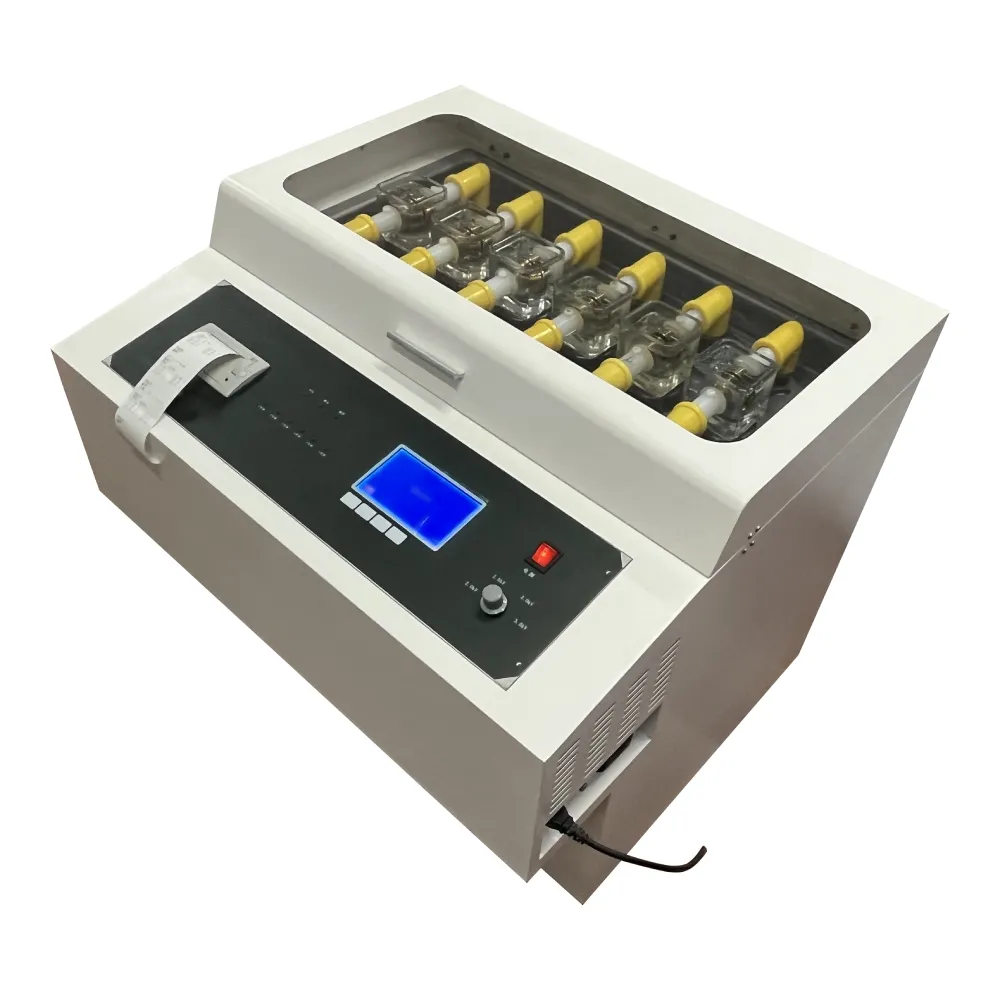
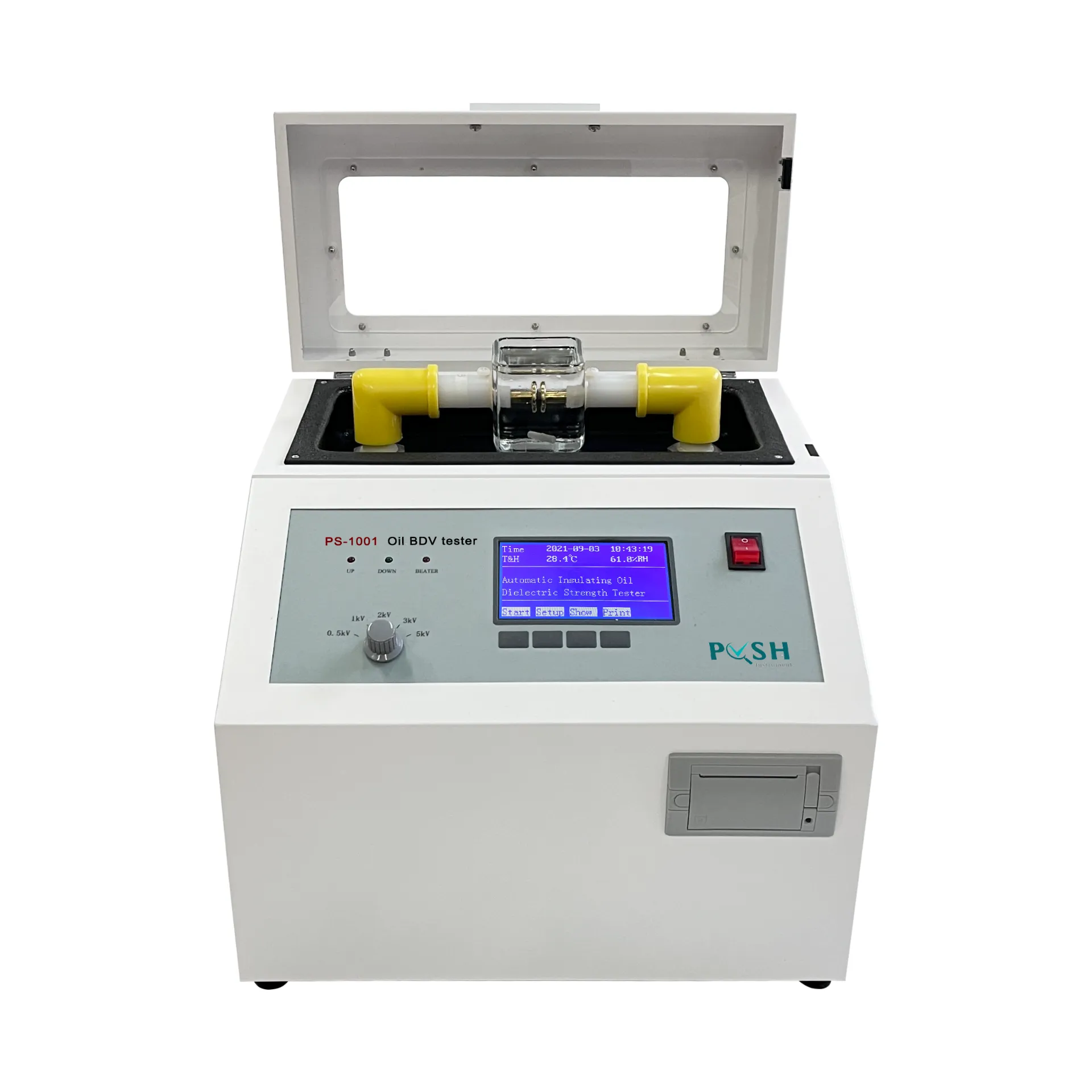
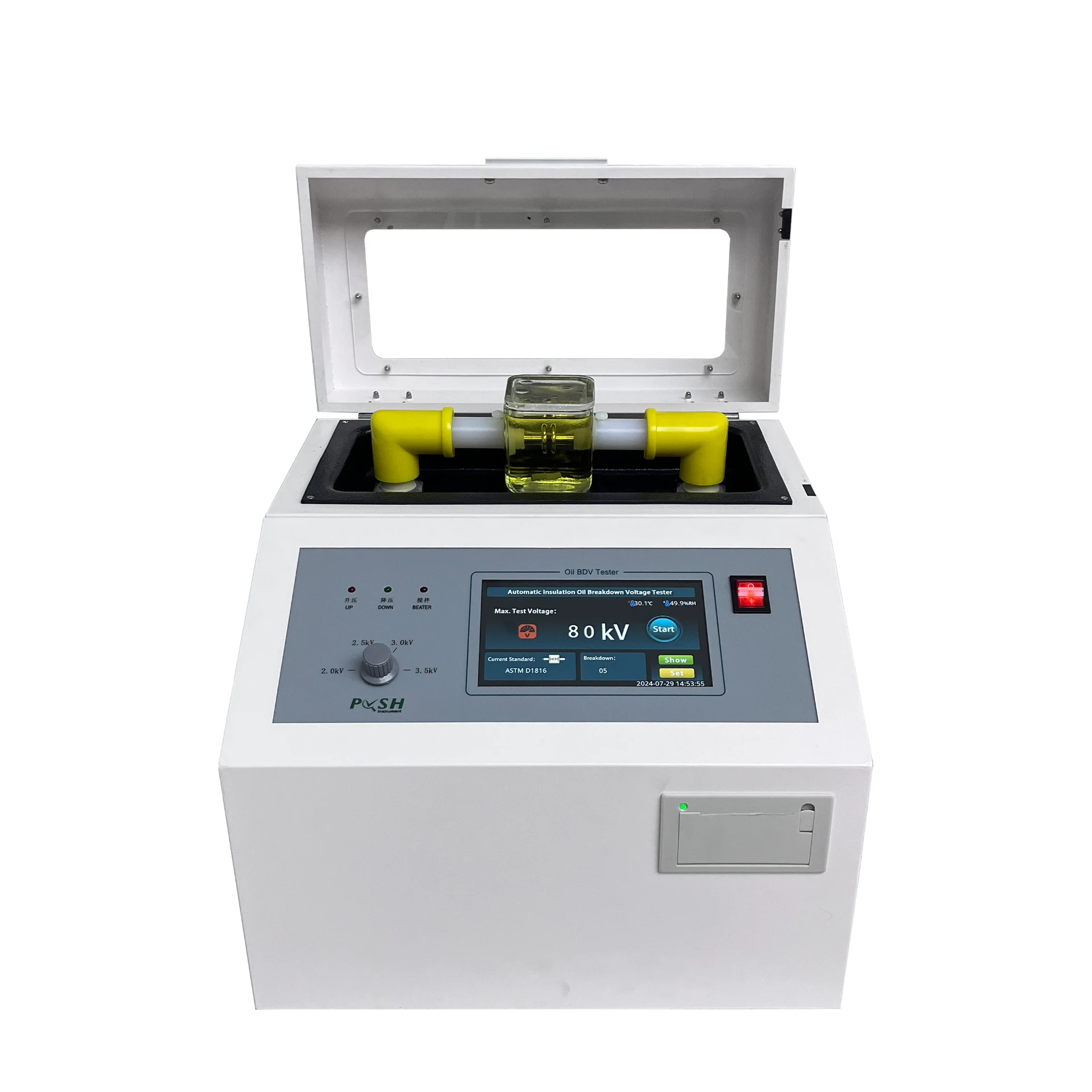
- 1.5.4 LCD display, Chinese menu is convenient for man-machine conversation, with temperature and humidity measurement and clock display function.
2.The operation is simple, and automatically complete the operation of boosting, holding, stirring, static setting, calculation, data storage and print output.
3.It has the function of power outage and can save test results automatically.
4.It has the functions of overvoltage, overcurrent, limit and earthing alarm, so as to ensure the personal safety of the operator.
5.The unique waveform setting function eliminates the interference of harmonic wave to accurate measurement.
6.CPU and PLC are used to ensure the stability and reliability of the instrument.
7.With 232 interface and Bluetooth function, it is convenient to transmit data with computer.
8.The device has 232, USB, Bluetooth port and wireless transmission function to facilitate data transmission with the computer.
|
Name |
Indicators |
|
Output voltage: |
0~80 kV(0-100KV can be set) |
|
THVD |
<1% |
|
Pressure rate |
0.5~5.0 kV/s |
|
Booster capacity |
1.5 kVA |
|
Measurement accuracy |
±2% |
|
Supply voltage |
AC 220 V ±10% |
|
Power frequency |
50 Hz ±2% |
|
Power |
200 w |
|
Applicable temperature |
0~45℃ |
|
Applicable humidity |
<85 % RH |
|
Width * height * depth |
770*675*760(mm) |
|
Net weigh |
~ 90kg |
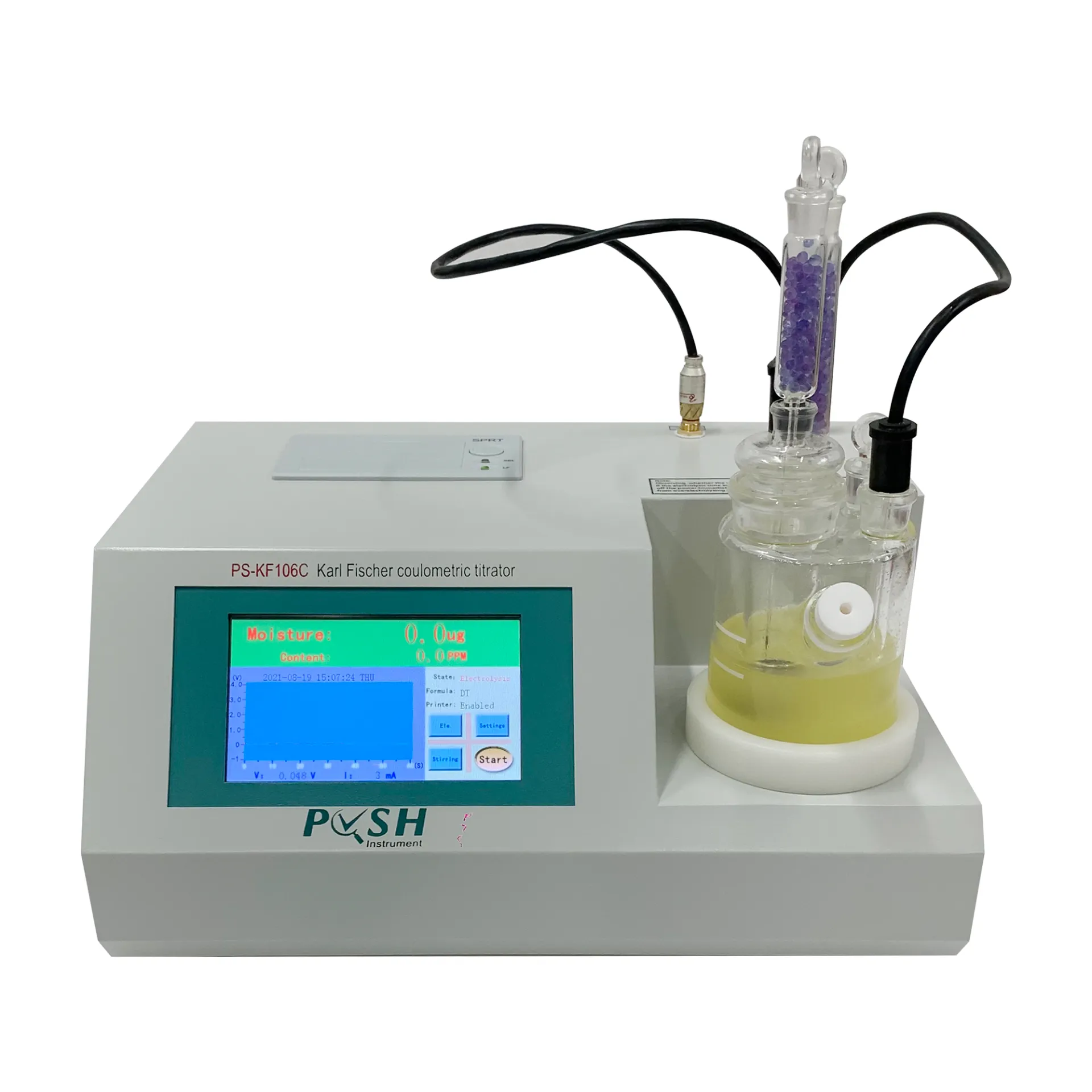
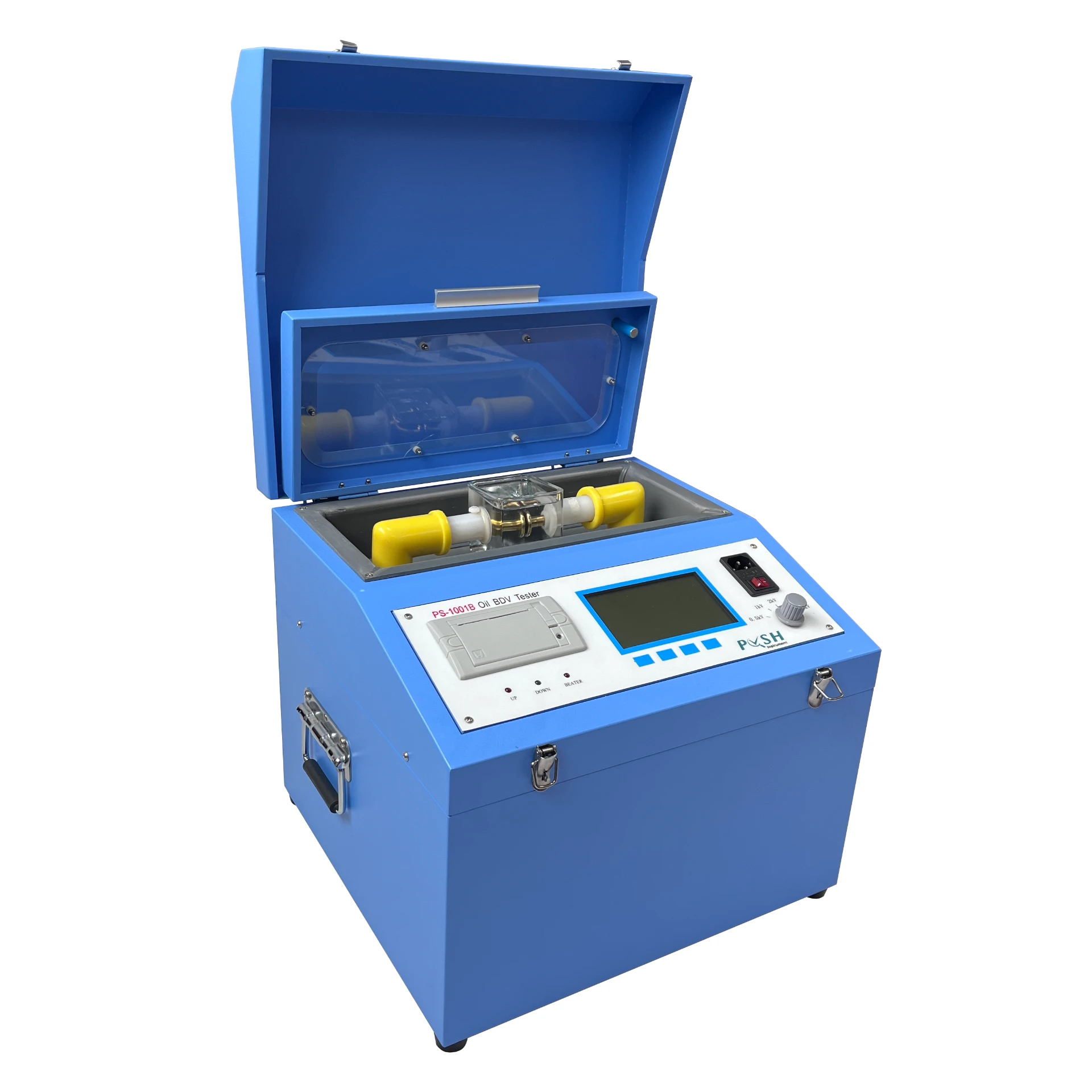
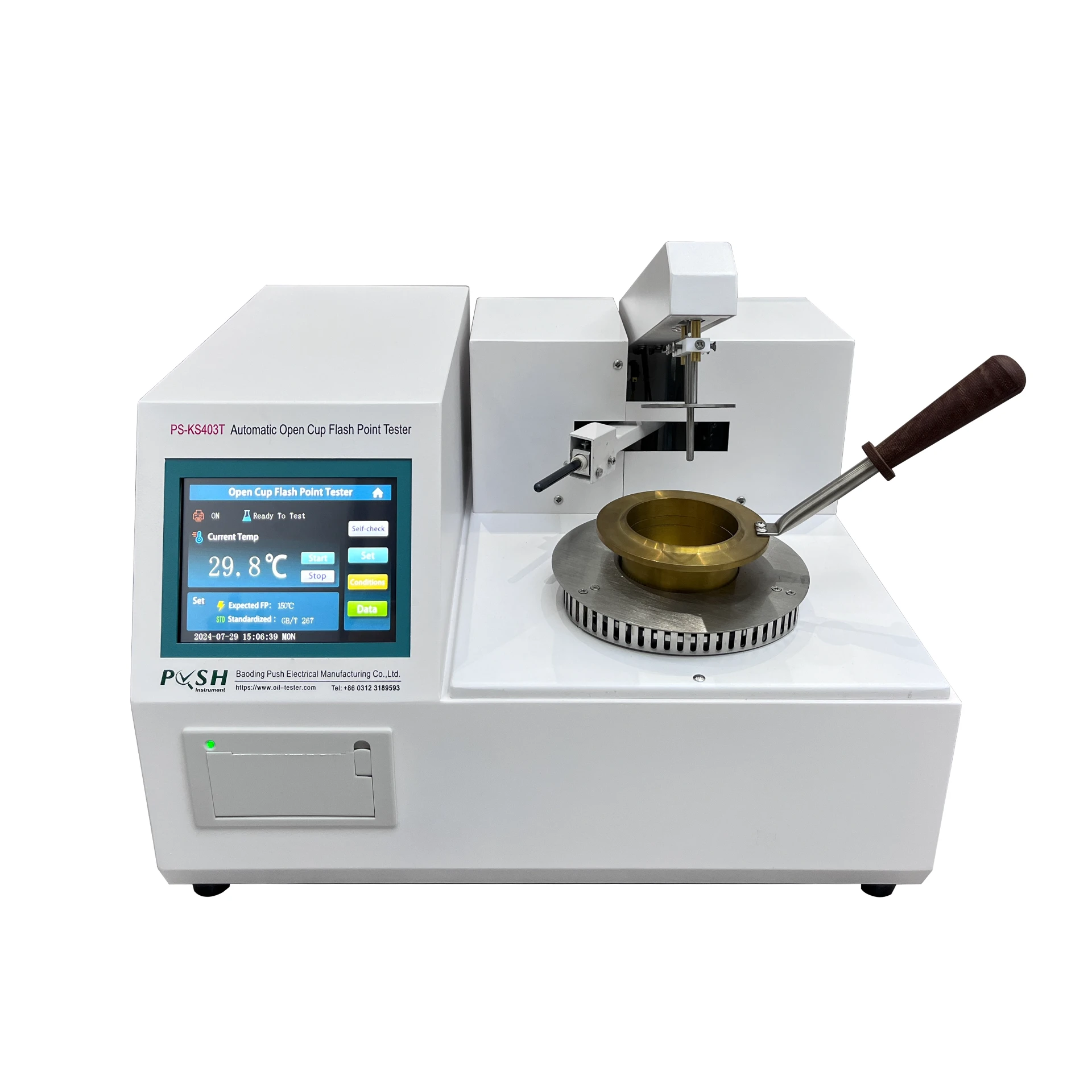
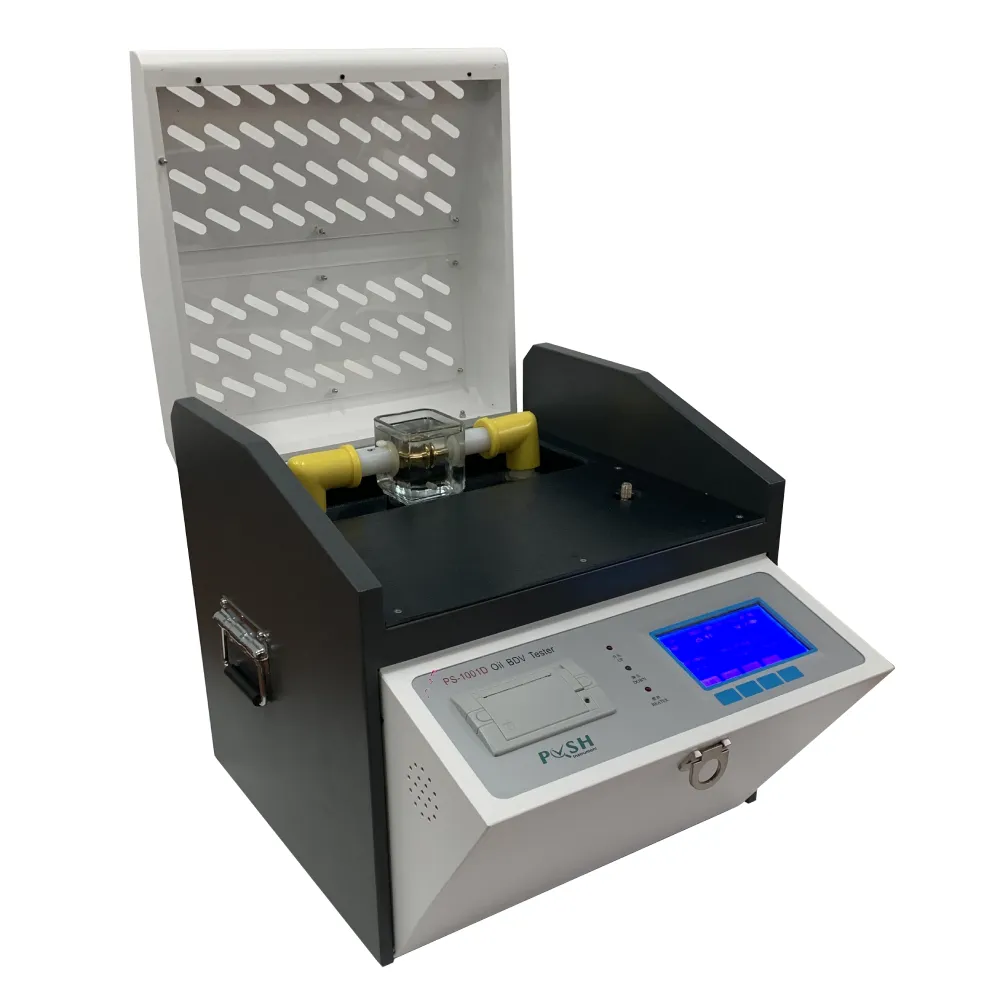
-
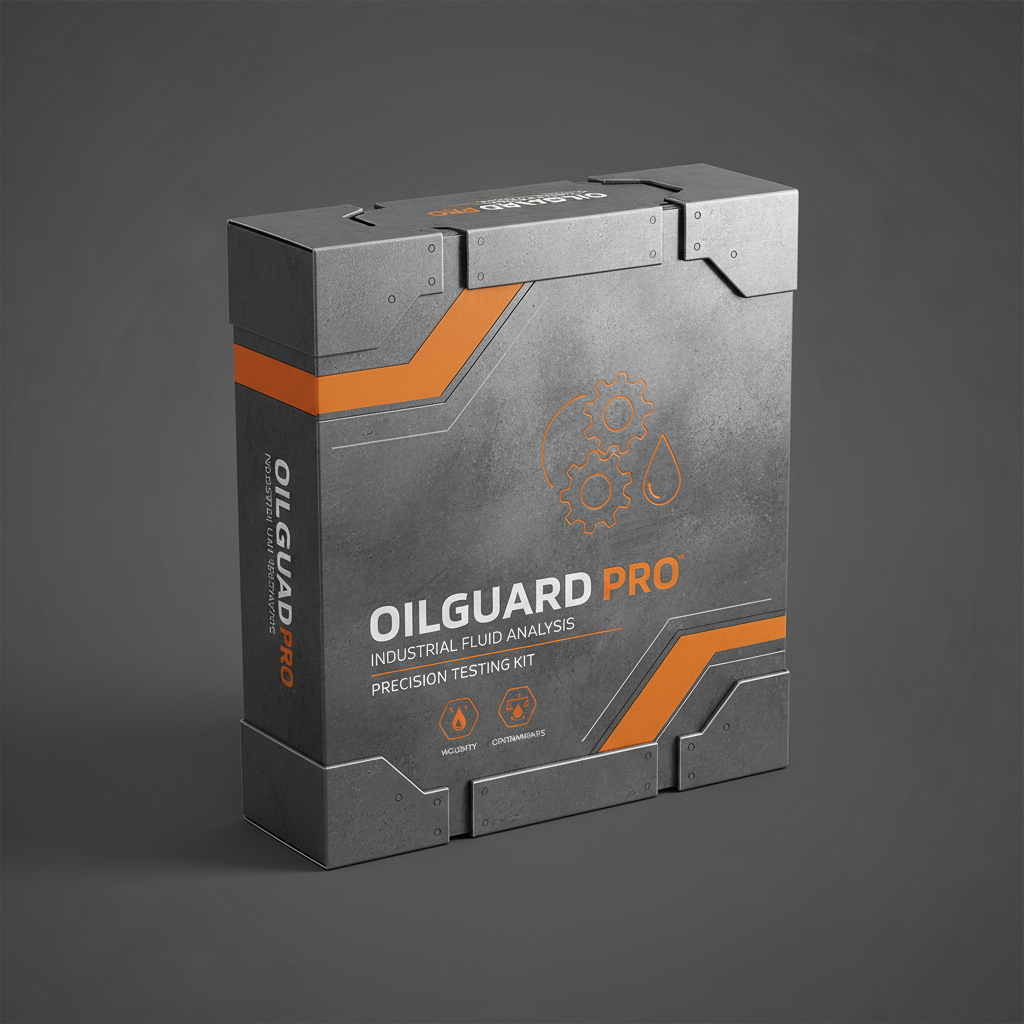 Guide to Choosing the Right Industrial Oil Testing Kit for MachineryMaintaining industrial machinery requires more than just regular lubrication; it demands precise monitoring of lubricant health. An oil testing kit serves as the first line of defense against catastrophic equipment failure. By analyzing oil quality on-site, maintenance teams can detect contamination, oxidation, and wear particles before they lead to costly downtime. Whether you are managing a fleet of heavy machinery or a complex manufacturing plant, understanding the capabilities of your testing tools is essential for maximizing operational efficiency. In this guide, we will explore how to select and utilize the best tools for your specific industrial needs.Detail
 -
 The Ultimate Guide to Transformer Oil Analysis for Grid ReliabilityMaintaining the health of electrical transformers is critical for preventing catastrophic failures and ensuring an uninterrupted power supply. One of the most effective ways to monitor this health is through professional transformer oil analysis, a process that acts as a blood test for your high-voltage equipment. By examining the physical, chemical, and dissolved gas properties of the insulating oil, engineers can detect early signs of overheating, electrical discharge, or insulation degradation. In this comprehensive guide, we will explore how systematic oil testing can extend the lifespan of your assets and reduce unplanned downtime.Detail
 -
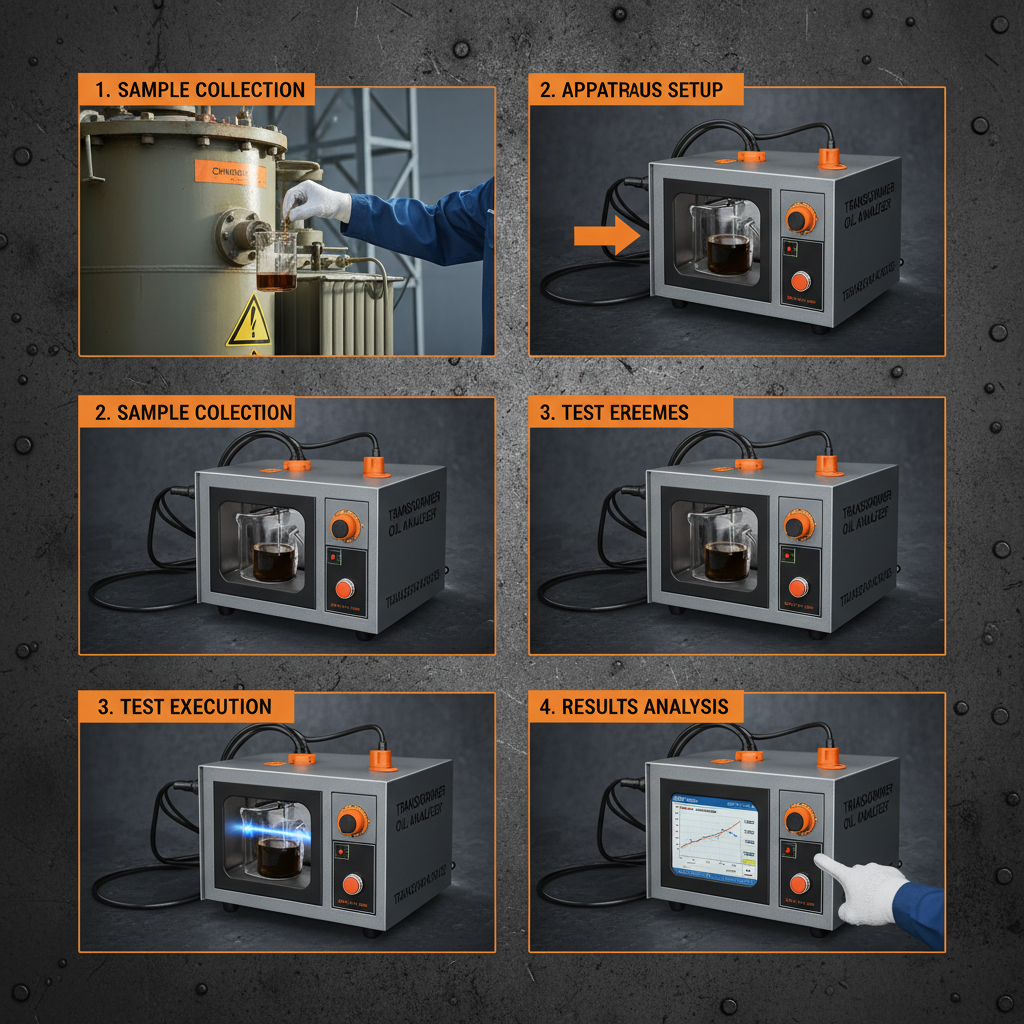 Comprehensive Guide to Transformer Oil Testing and Maintenance ProceduresMaintaining the health of your transformers is crucial for reliable power distribution. Regular transformer oil testing identifies potential issues before they lead to costly downtime or equipment failure. This article will detail the key tests performed, the importance of each, and how advancements in testing equipment are improving accuracy and efficiency.Detail