TEL:
+86-0312-3189593
 English


Telephone:0312-3189593

Email:sales@oil-tester.com

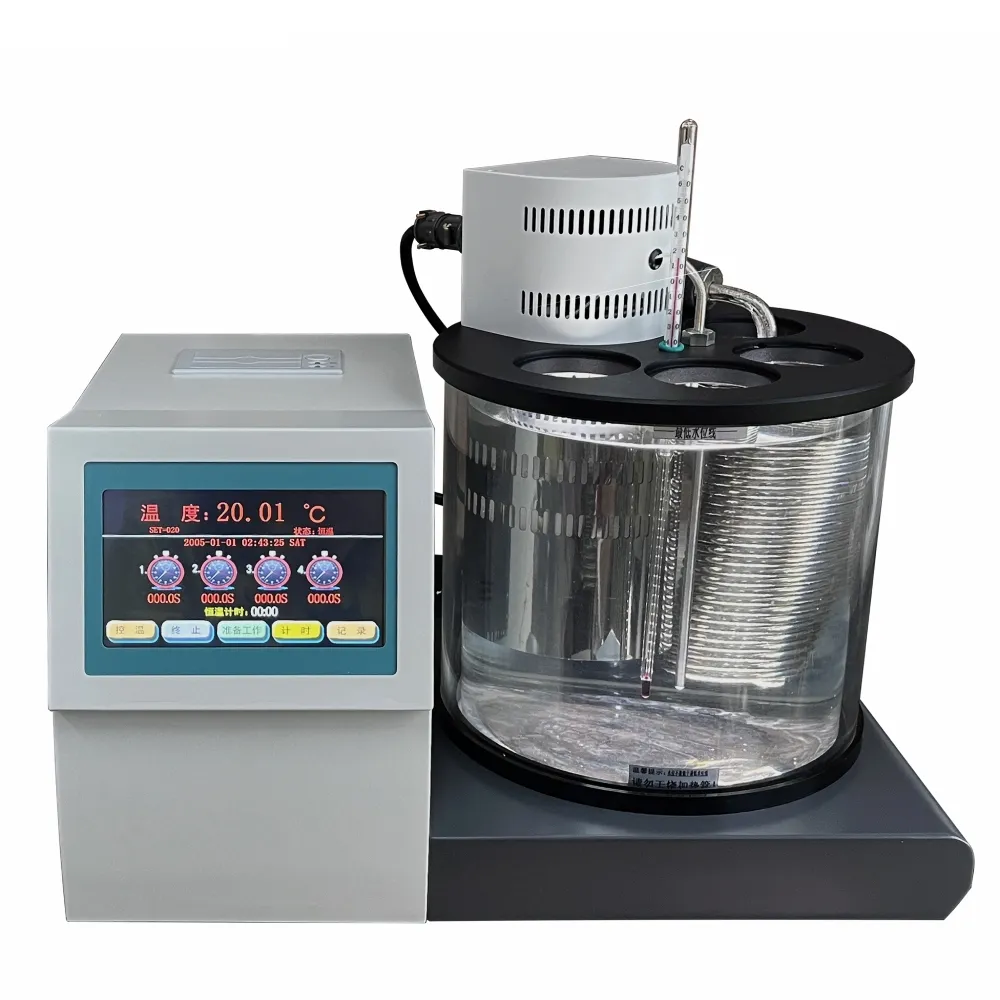
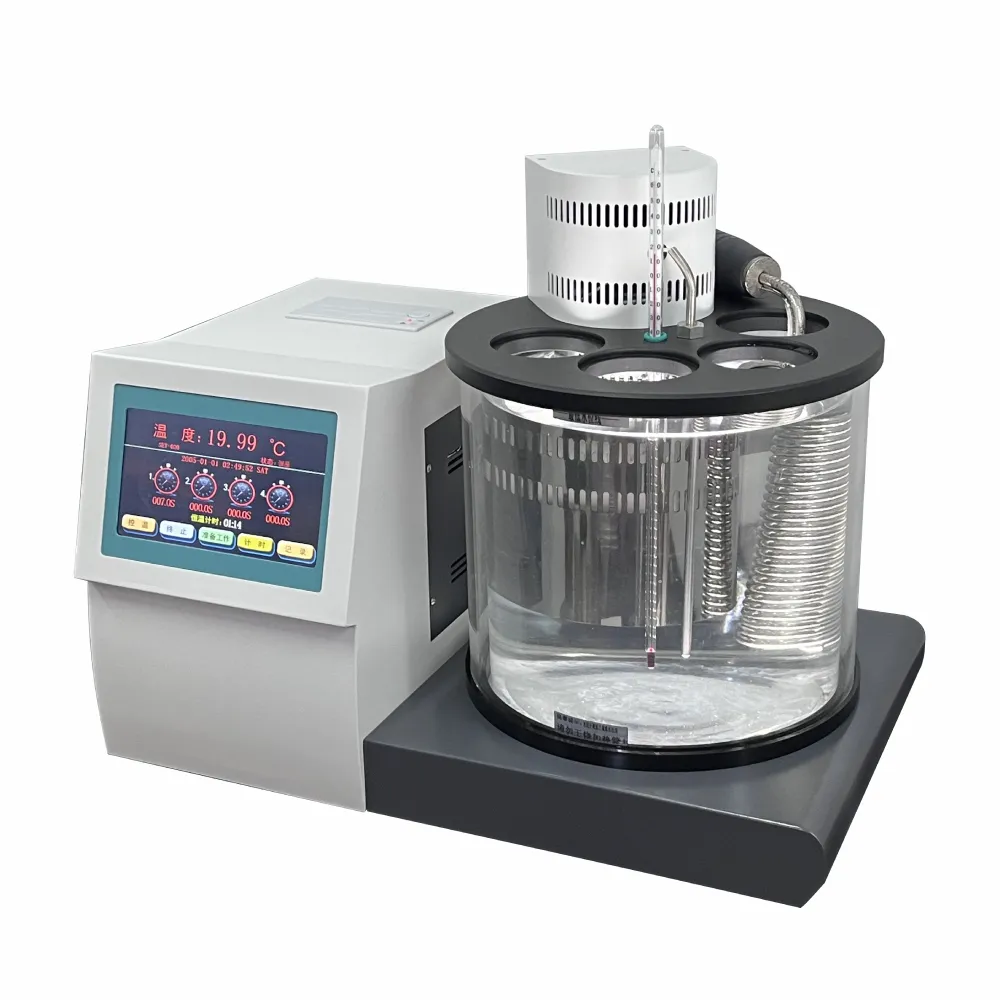
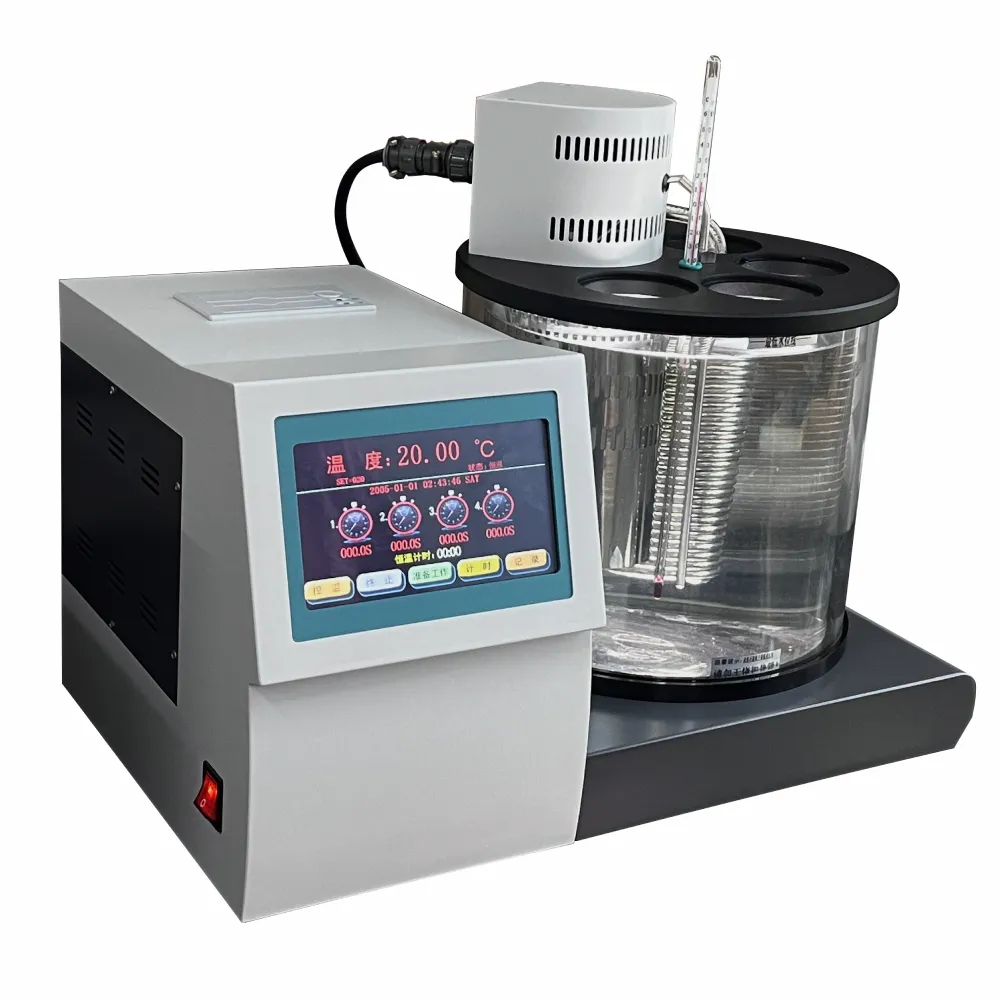
Product Selling Point Introduction
- 1. Using imported sensors and digital PID temperature control technology, the range of temperature control is wide and the temperature control precision is high.
2. large screen color touch liquid crystal display, simple operation, convenient human-computer dialogue.
3. room temperature to 130 degrees can be set at any temperature for temperature control.
4. It can store the test results automatically, and can store 100 sets of data.
5.no electricity calendar clock, start automatically display the current time.
6. It has many advantages, such as high precision, fast speed, stable and reliable data.
Product Parameters
Number of liquid bath holes | 4 |
Temperature range | room temperature -130℃ |
Constant temperature precision | ±0.1℃ |
Measurement accuracy | ±0.01℃ |
Supply voltage | AC 220 V ±10% |
Power frequency | 50 Hz ±2% |
Power | 1500W |
Applicable temperature | 10~40℃ |
Applicable humidity | <85 % RH |
Width*height * depth | 390mm*260mm*240mm |
Net weight | ~ 18kg |
Write your message here and send it to us
Related News
-
 Precision Guide to the Electrode Used in Potentiometric TitrationPrecision Measurement: The Role of the Electrode Used in Potentiometric Titration In the realm of analytical chemistry and industrial quality control, achieving absolute precision is non-negotiable. The electrode used in potentiometric titration serves as the heart of this process, converting chemical activity into a measurable electrical potential. Whether you are analyzing petroleum products, environmental water samples, or pharmaceutical compounds, the selection of the right sensor determines the accuracy of your endpoint detection. By eliminating the subjectivity of visual color indicators, potentiometric methods provide a scientific, repeatable approach to quantitative analysis. In this guide, we will explore the technical intricaciesDetail
-
 High Precision Analysis Using the Potentiometer TitratorPrecision Analysis with the Potentiometer Titrator: An Industry Overview In the realm of high-precision chemical analysis, the potentiometer titrator serves as a critical instrument for determining the concentration of identified analytes in a solution. By measuring the potential difference between two electrodes, these devices provide unmatched accuracy in volumetric analysis, particularly in the oil and petroleum industries. Whether you are monitoring fuel quality or analyzing industrial lubricants, the ability to detect the exact equivalence point is paramount. This guide explores the technical superiority, applications, and operational benefits of integrating advanced titration systems into your laboratory workflow to ensure rigorous quality controlDetail
-
 Optimize Petroleum Analysis with Pour Point Test EquipmentOptimizing Petroleum Analysis with Pour Point Test Equipment In the petrochemical and lubricant industries, understanding the low-temperature flow properties of oil is critical for operational safety and efficiency. High-quality pour point test equipment provides the precise measurements needed to determine the lowest temperature at which a liquid remains pourable. Whether dealing with lubricating oils, fuels, or hydraulic fluids, ensuring that these substances do not solidify in cold climates is essential to prevent engine failure and system blockages. This guide explores the technical nuances, industrial applications, and the importance of choosing professional-grade instrumentation for petroleum analysis.Detail