English



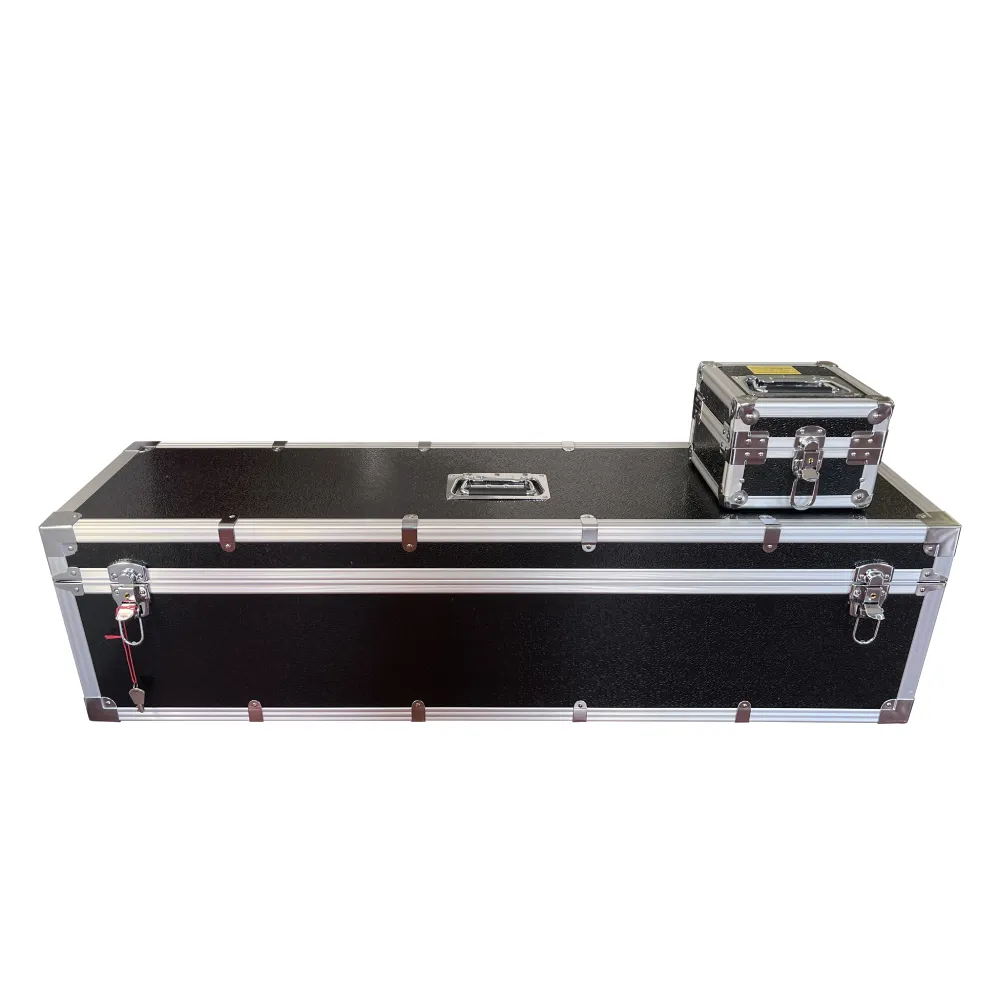
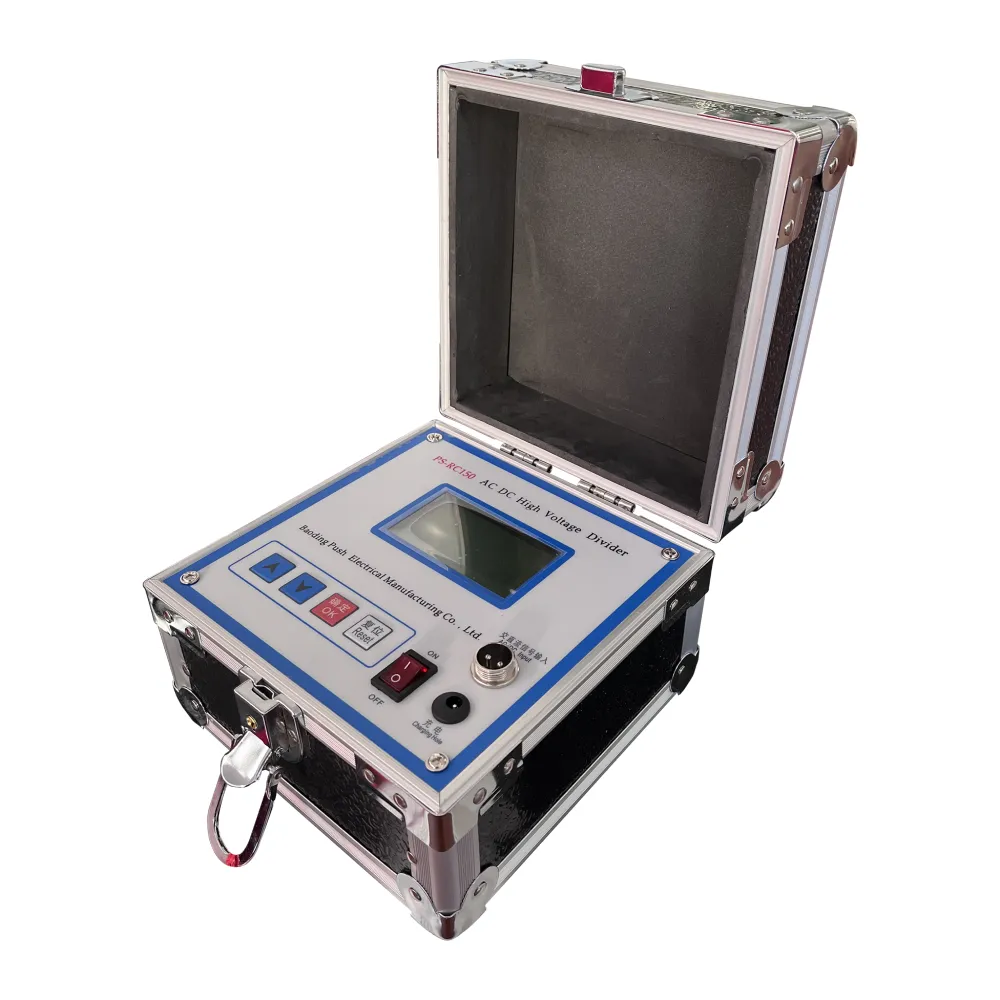
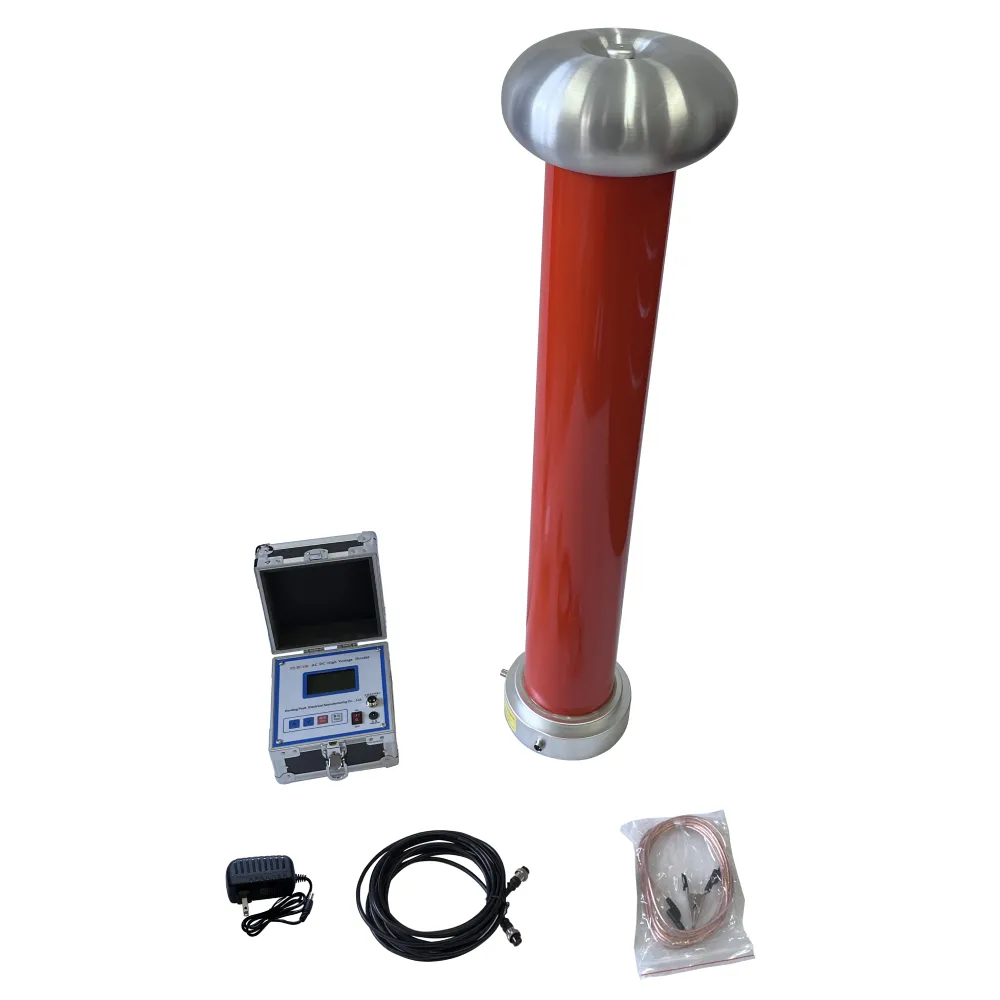
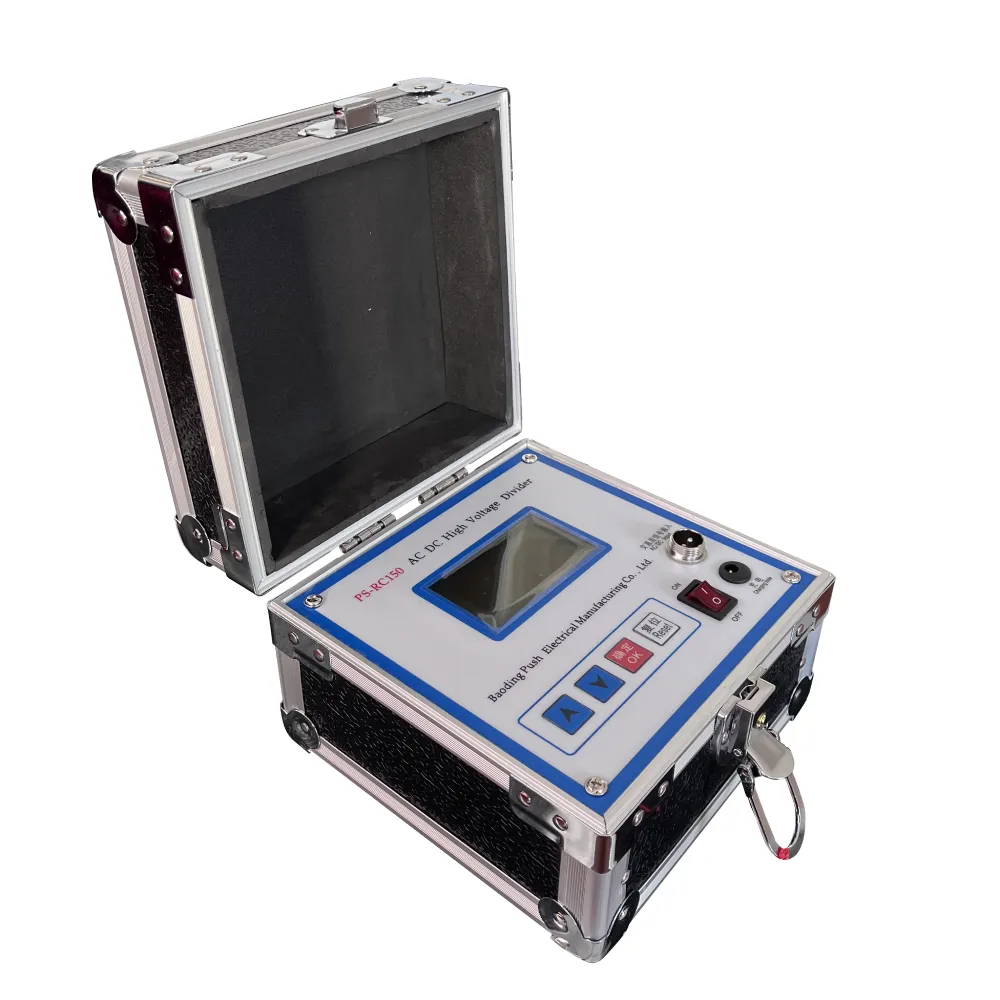
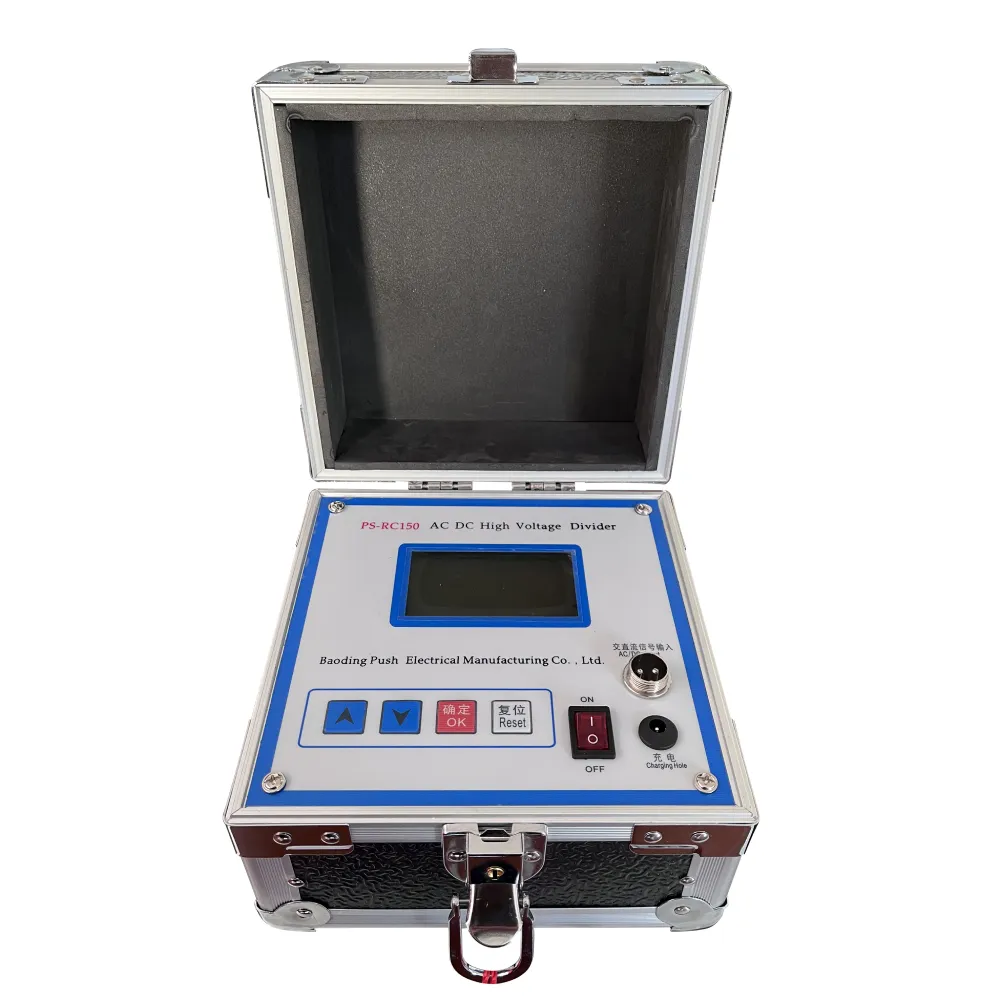
The AC-DC voltage divider is connected to the high-voltage measurement terminal through the instrument signal line, which can realize long-distance and clear reading, and is safe and convenient to use. This series of AC and DC voltage dividers has high input impedance and good linearity. It adopts special shielding technology to reduce the influence of high voltage on the displayed value, so as to achieve high stability and high linearity.
Imported filling materials are used to make the structure smaller, lighter in weight, higher in reliability and lower in internal partial discharge. Small in size, light in weight and easy to carry, it brings great convenience to the inspection work on site.
Model | Voltage class AC/DC | Precision | Capacitance (pF) Impedance (MΩ) | Signal line length |
RC50kV | 50kV | AC:1.0%rdg±0.1DC:0.5% rdg±0.1 Other precision can be customized | 450pF,600M | 3m |
RC100kV | 100kV | 200pF,1200M | 4 m | |
RC150kV | 150kV | 150pF,1800M | 4 m | |
RC200kV | 200kV | 100pF,2400M | 4 m | |
RC250kV | 250kV | 100pF,3000M | 5 m | |
RC300kV | 300kV | 100pF,3600M | 6 m |
Product standard | DL/T846.1-2004 | |
AC measurement method | true RMS measurement, peak value (optional), average value (optional) | |
Accuracy | AC | 1.0%rdg±0.1 |
DC | 0.5%rdg±0.1 | |
Insulation medium | dry medium material | |
Environmental conditions | Temperature | -10℃~40℃ |
Humidity | ≤70%RH | |
Divider ratio | N=1000:1 | |
-
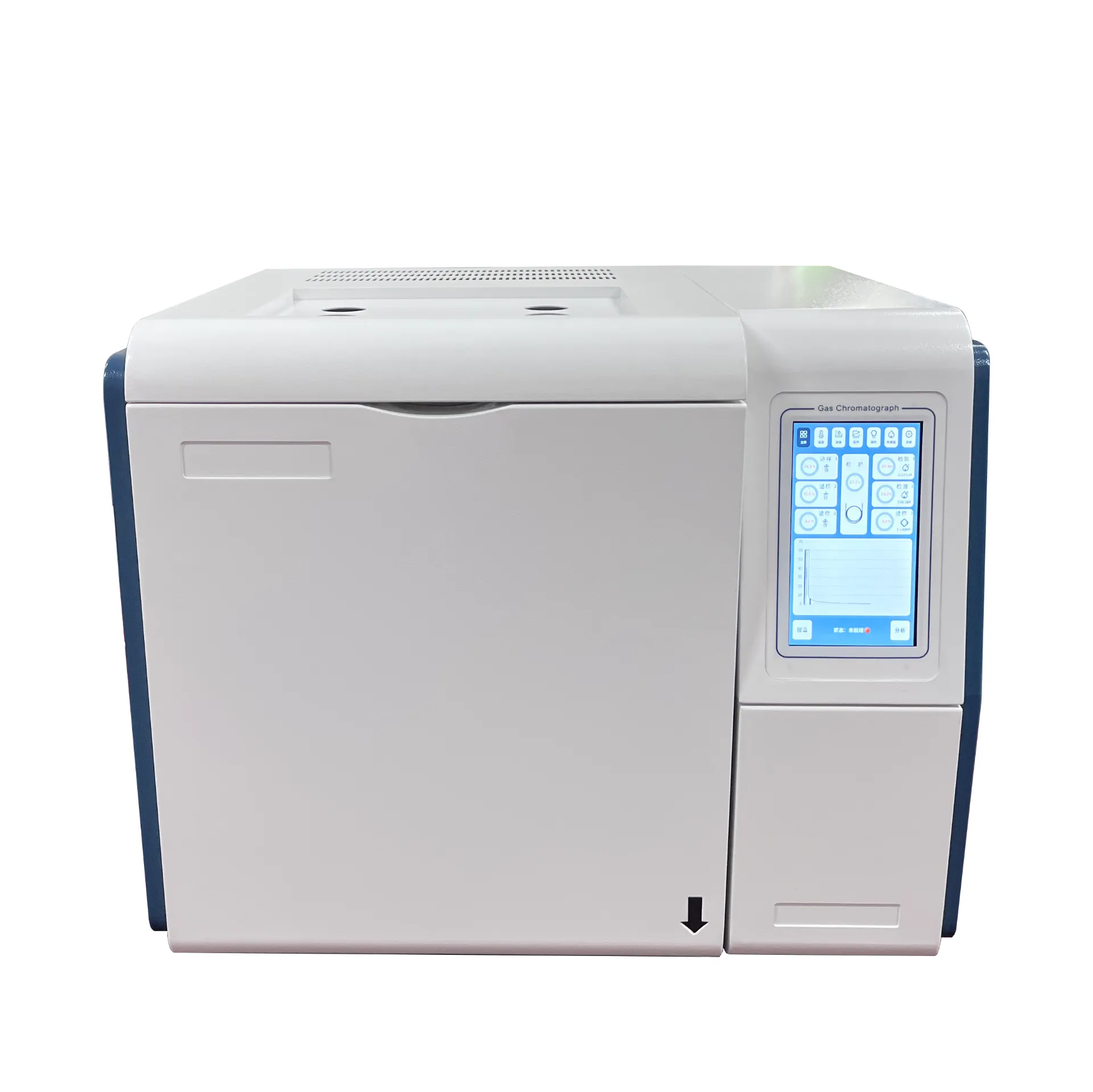
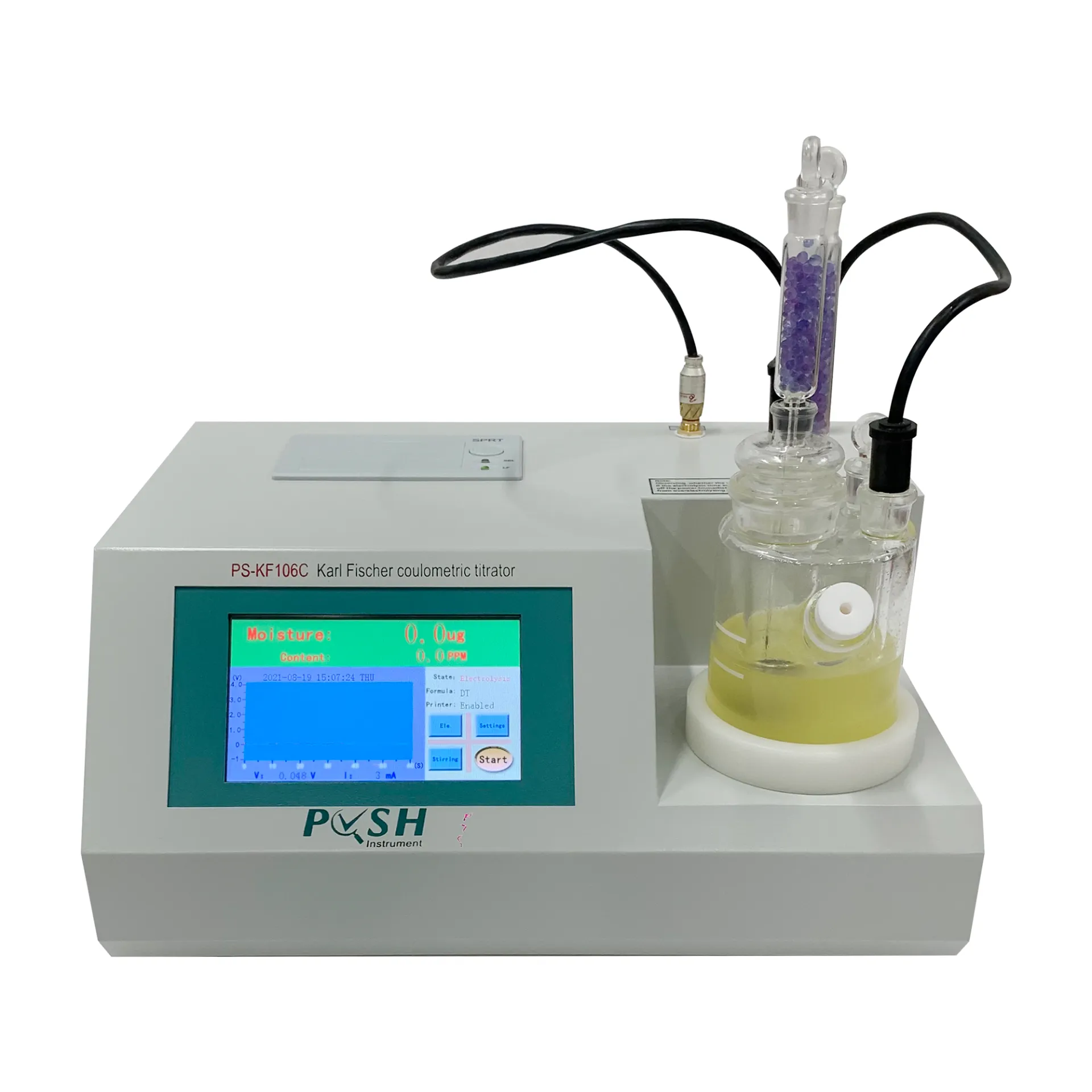
 Precision Guide to the Electrode Used in Potentiometric TitrationPrecision Measurement: The Role of the Electrode Used in Potentiometric Titration In the realm of analytical chemistry and industrial quality control, achieving absolute precision is non-negotiable. The electrode used in potentiometric titration serves as the heart of this process, converting chemical activity into a measurable electrical potential. Whether you are analyzing petroleum products, environmental water samples, or pharmaceutical compounds, the selection of the right sensor determines the accuracy of your endpoint detection. By eliminating the subjectivity of visual color indicators, potentiometric methods provide a scientific, repeatable approach to quantitative analysis. In this guide, we will explore the technical intricaciesDetail
-
 High Precision Analysis Using the Potentiometer TitratorPrecision Analysis with the Potentiometer Titrator: An Industry Overview In the realm of high-precision chemical analysis, the potentiometer titrator serves as a critical instrument for determining the concentration of identified analytes in a solution. By measuring the potential difference between two electrodes, these devices provide unmatched accuracy in volumetric analysis, particularly in the oil and petroleum industries. Whether you are monitoring fuel quality or analyzing industrial lubricants, the ability to detect the exact equivalence point is paramount. This guide explores the technical superiority, applications, and operational benefits of integrating advanced titration systems into your laboratory workflow to ensure rigorous quality controlDetail
-
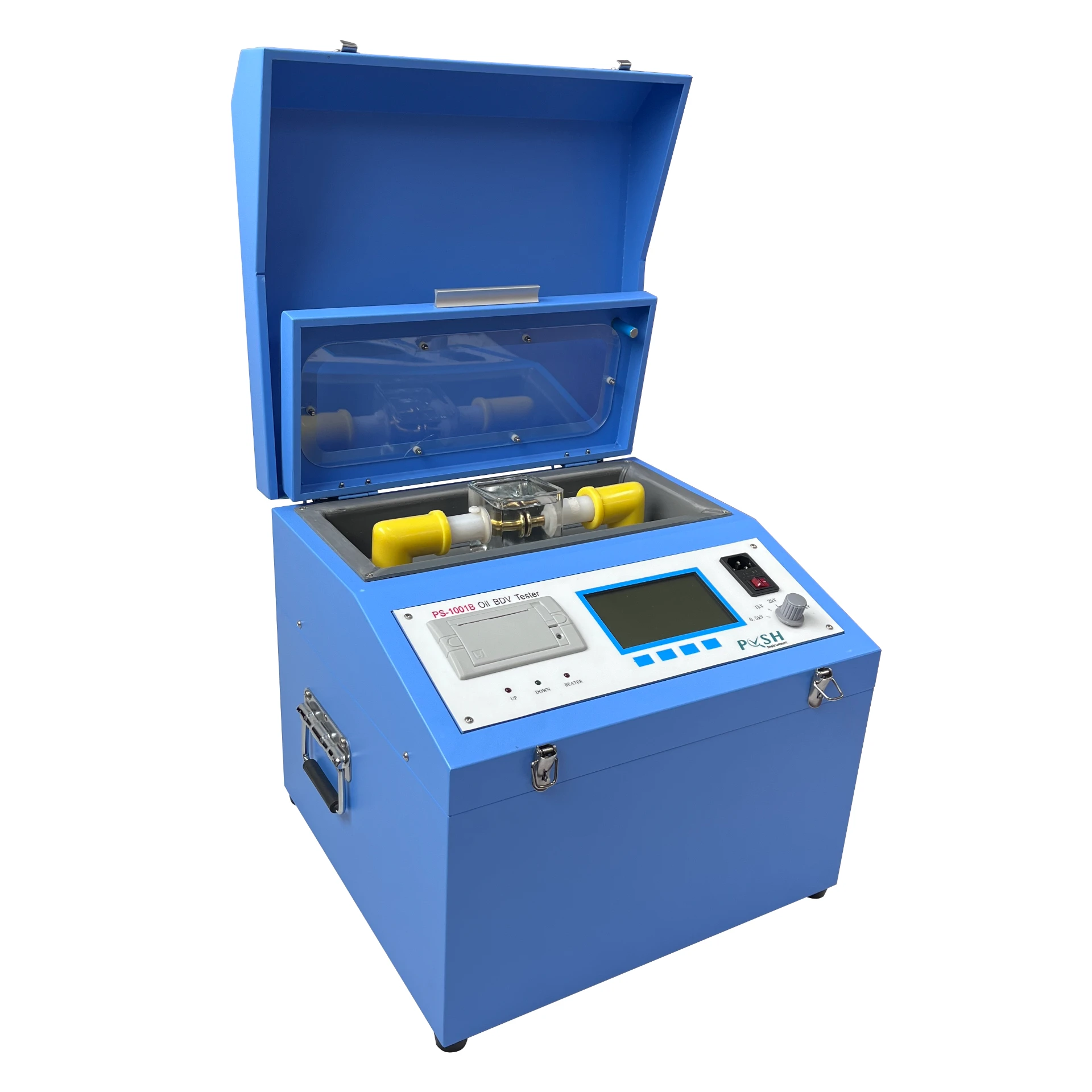
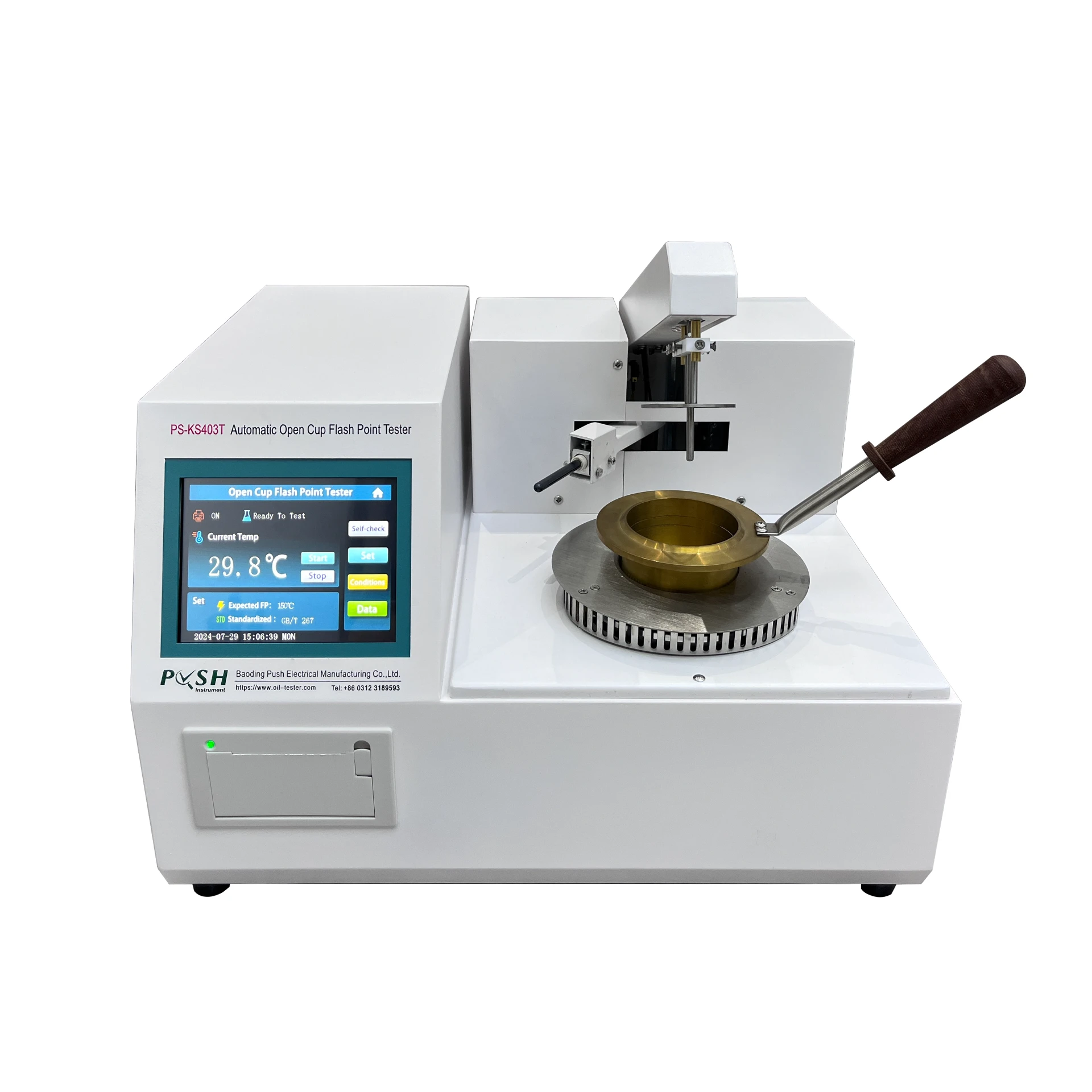
 Optimize Petroleum Analysis with Pour Point Test EquipmentOptimizing Petroleum Analysis with Pour Point Test Equipment In the petrochemical and lubricant industries, understanding the low-temperature flow properties of oil is critical for operational safety and efficiency. High-quality pour point test equipment provides the precise measurements needed to determine the lowest temperature at which a liquid remains pourable. Whether dealing with lubricating oils, fuels, or hydraulic fluids, ensuring that these substances do not solidify in cold climates is essential to prevent engine failure and system blockages. This guide explores the technical nuances, industrial applications, and the importance of choosing professional-grade instrumentation for petroleum analysis.Detail