English



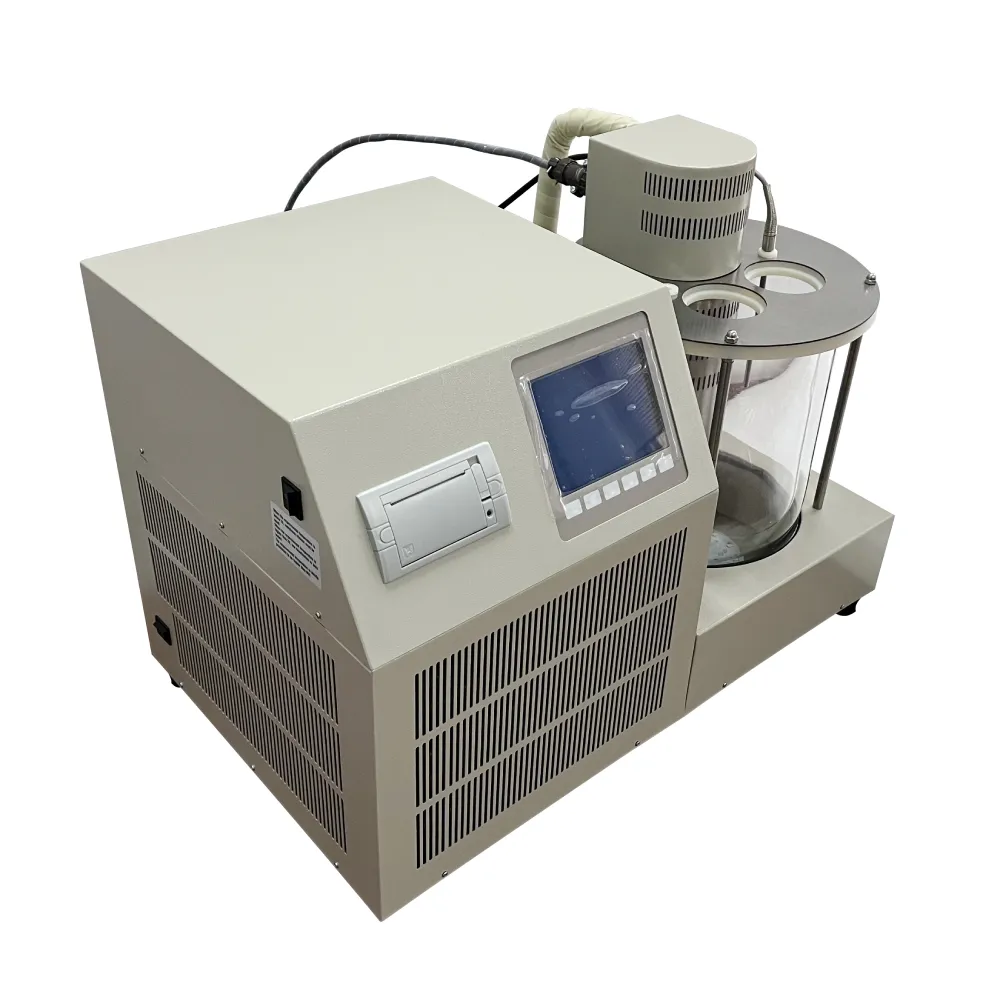
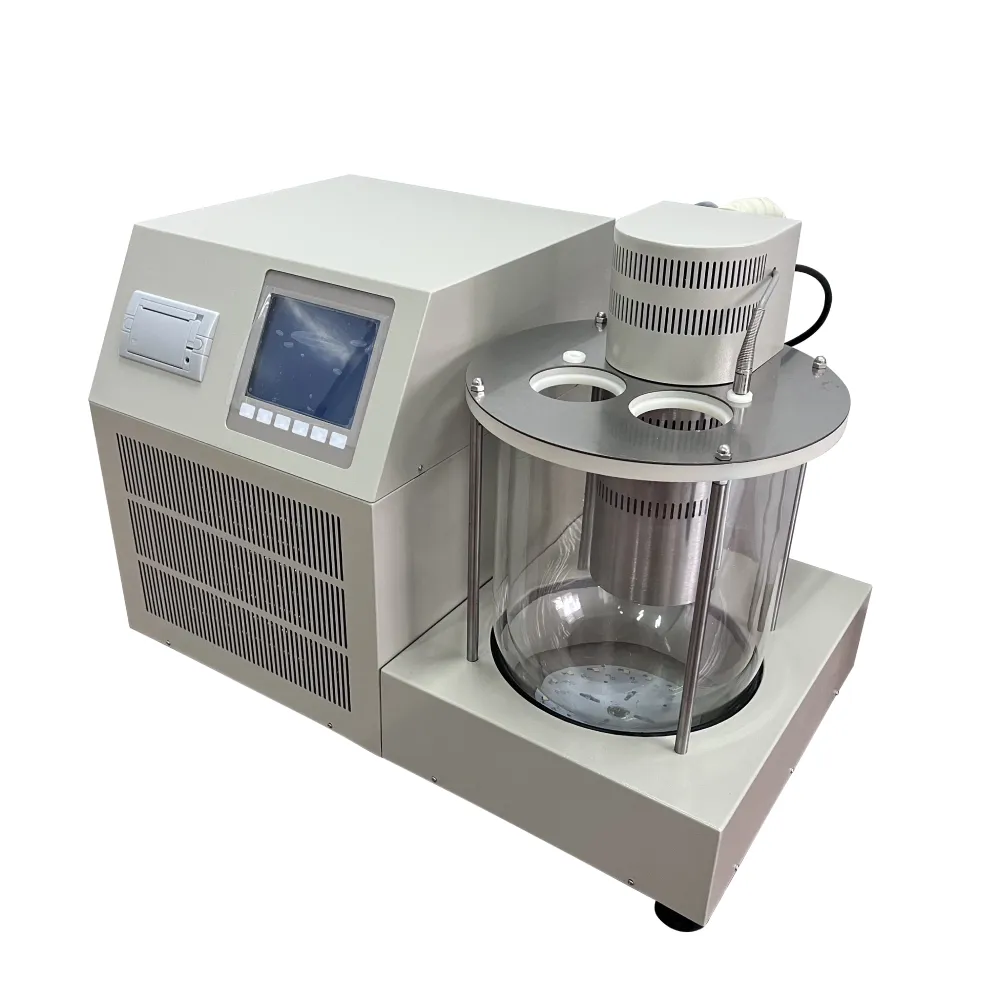
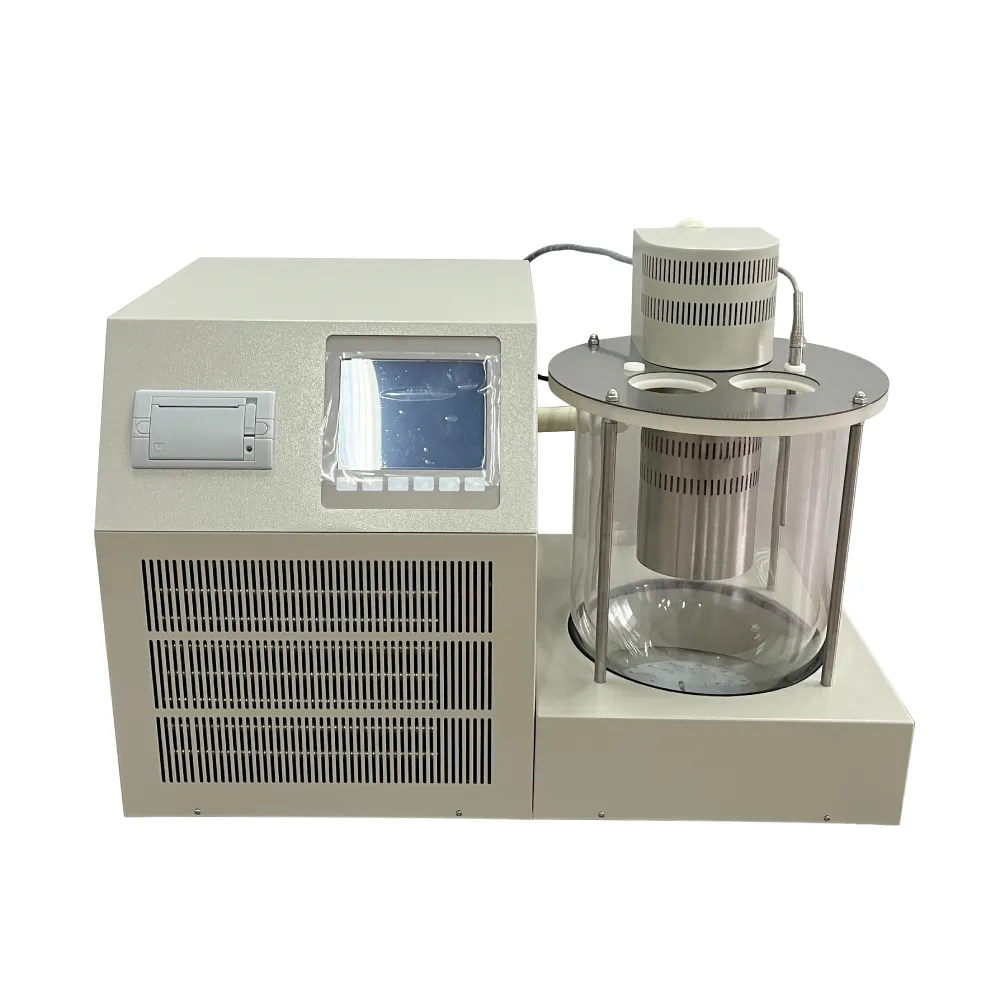
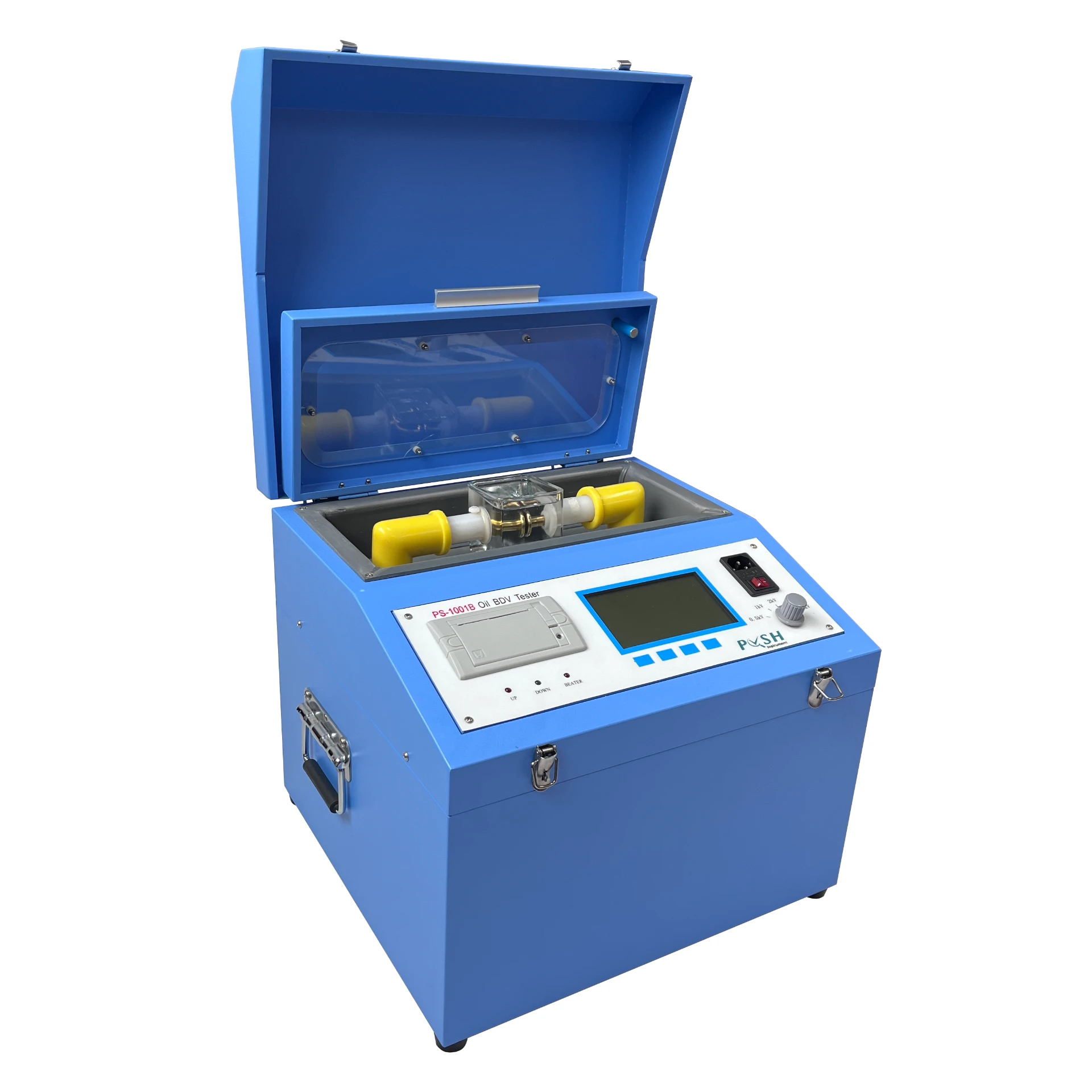
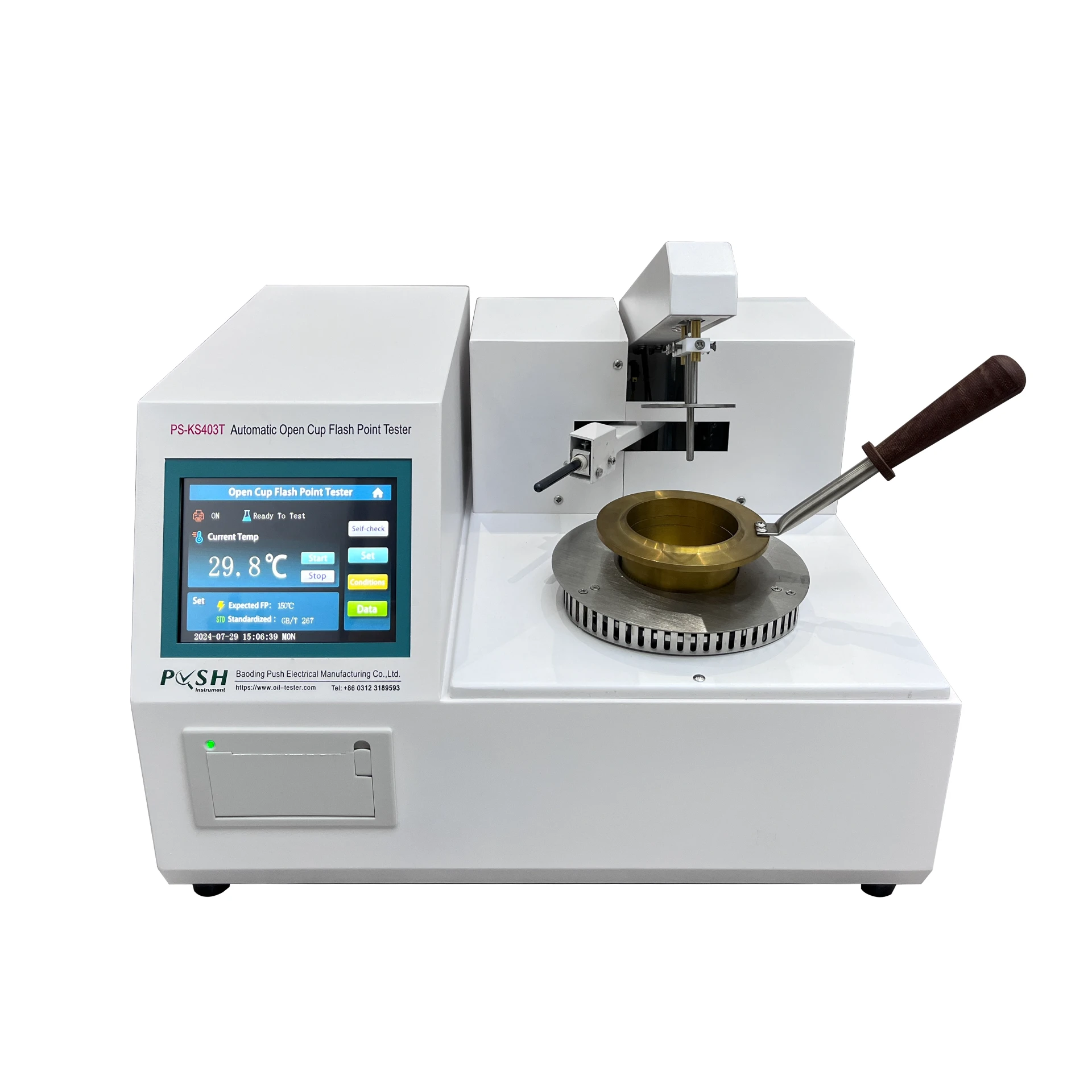
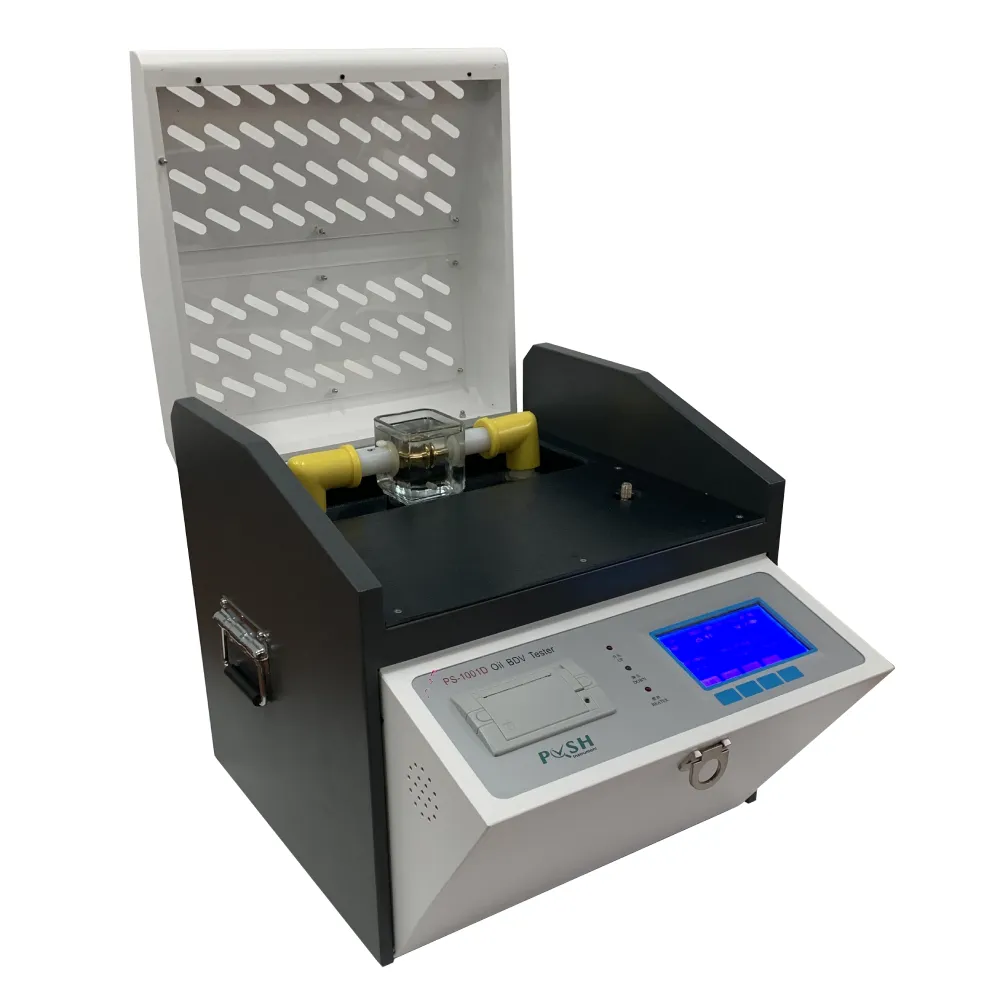
- 1、LCD screen, Chinese character display, clear and clear, easy to operate.
2、The keyboard has parameters such as viscometer constant, control temperature value, fine tuning temperature value and test number, etc. The instrument has memory function.
3、Adopt imported sensor, digital PID temperature control technology, temperature control range, temperature control precision.
4、Do not drop the electric calendar clock, the boot automatically displays the current time.
5、Network communication, remote control, transfer table optional function.
6、Button, feel good.
7、The number of experiments is adjustable from 1 to 6 times, which is convenient for your experiment.
8、The experimental records can be saved for later viewing.
1、Number of bath holes: 2 holes.
2、Temperature control precision: plus or minus 0.03 ℃ or less
3、Temperature control: – 40 ℃ ~ 60 ℃
4、Input power: AC220V plus or minus 10V 50Hz.
5、Heating power: 800W.
6、Cooling power: 400W.
7、Ambient temperature: 0 ℃ to 40 ℃
8、Relative humidity :<80%.
-
 Guide to Choosing the Right Industrial Oil Testing Kit for MachineryMaintaining industrial machinery requires more than just regular lubrication; it demands precise monitoring of lubricant health. An oil testing kit serves as the first line of defense against catastrophic equipment failure. By analyzing oil quality on-site, maintenance teams can detect contamination, oxidation, and wear particles before they lead to costly downtime. Whether you are managing a fleet of heavy machinery or a complex manufacturing plant, understanding the capabilities of your testing tools is essential for maximizing operational efficiency. In this guide, we will explore how to select and utilize the best tools for your specific industrial needs.Detail
 -
 The Ultimate Guide to Transformer Oil Analysis for Grid ReliabilityMaintaining the health of electrical transformers is critical for preventing catastrophic failures and ensuring an uninterrupted power supply. One of the most effective ways to monitor this health is through professional transformer oil analysis, a process that acts as a blood test for your high-voltage equipment. By examining the physical, chemical, and dissolved gas properties of the insulating oil, engineers can detect early signs of overheating, electrical discharge, or insulation degradation. In this comprehensive guide, we will explore how systematic oil testing can extend the lifespan of your assets and reduce unplanned downtime.Detail
 -
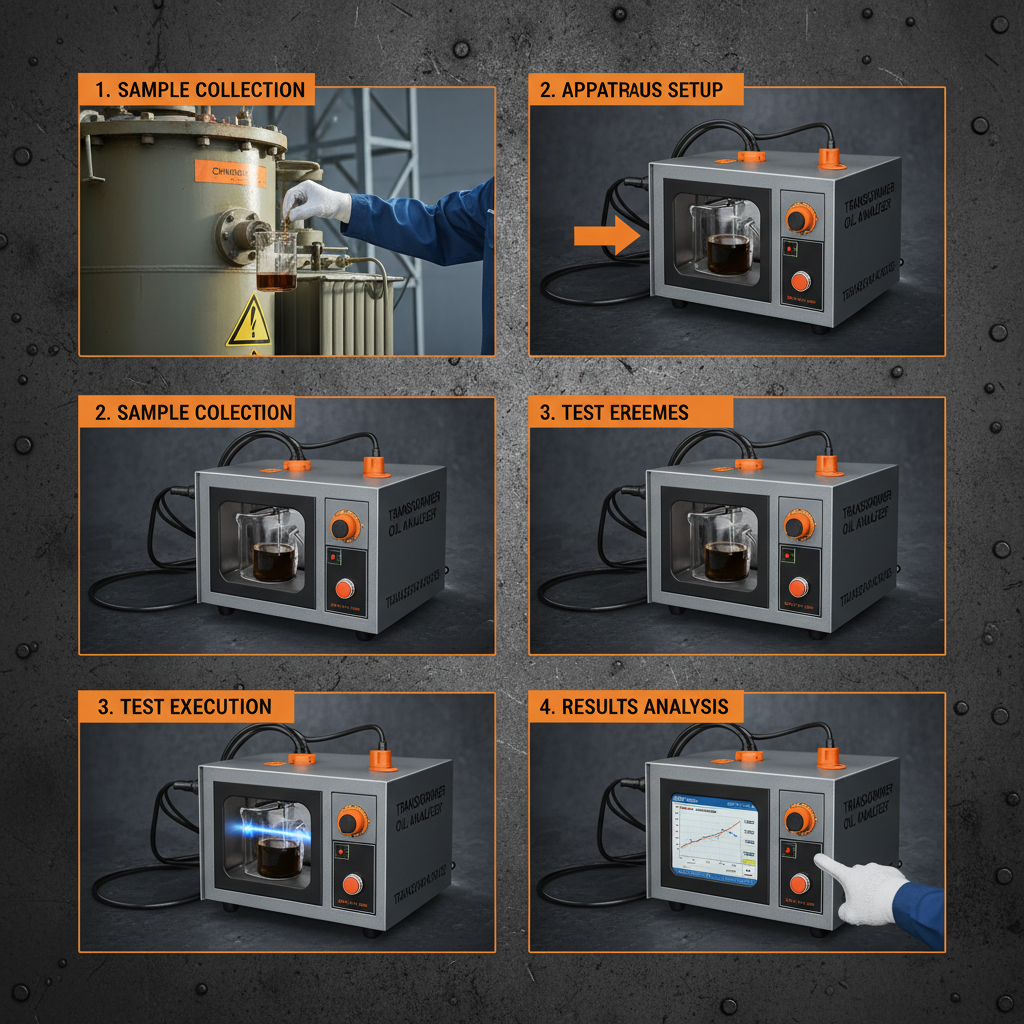 Comprehensive Guide to Transformer Oil Testing and Maintenance ProceduresMaintaining the health of your transformers is crucial for reliable power distribution. Regular transformer oil testing identifies potential issues before they lead to costly downtime or equipment failure. This article will detail the key tests performed, the importance of each, and how advancements in testing equipment are improving accuracy and efficiency.Detail