TEL:
+86-0312-3189593
 English


Telephone:0312-3189593

Email:sales@oil-tester.com

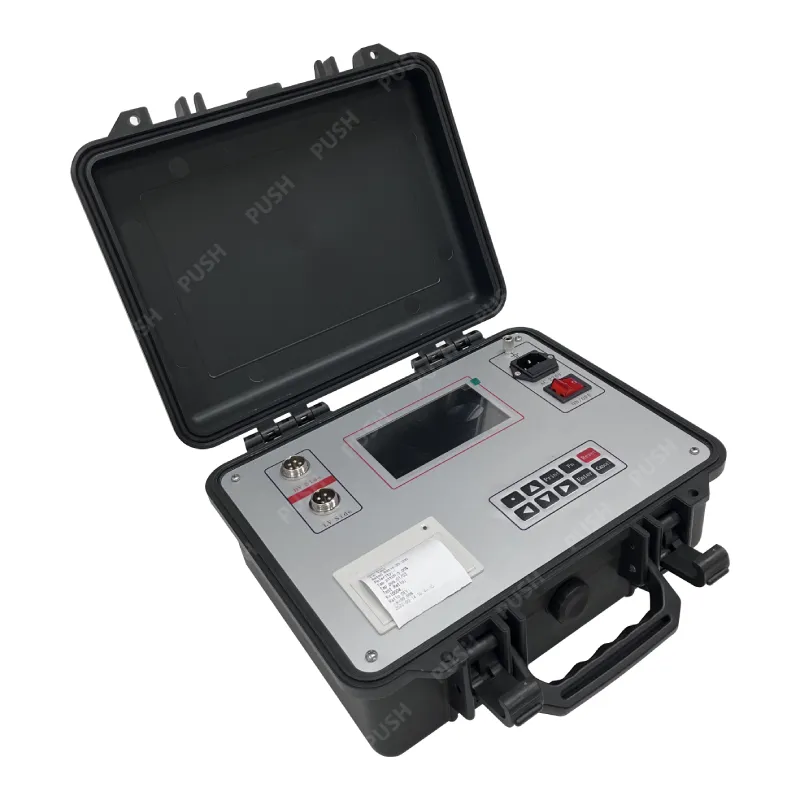
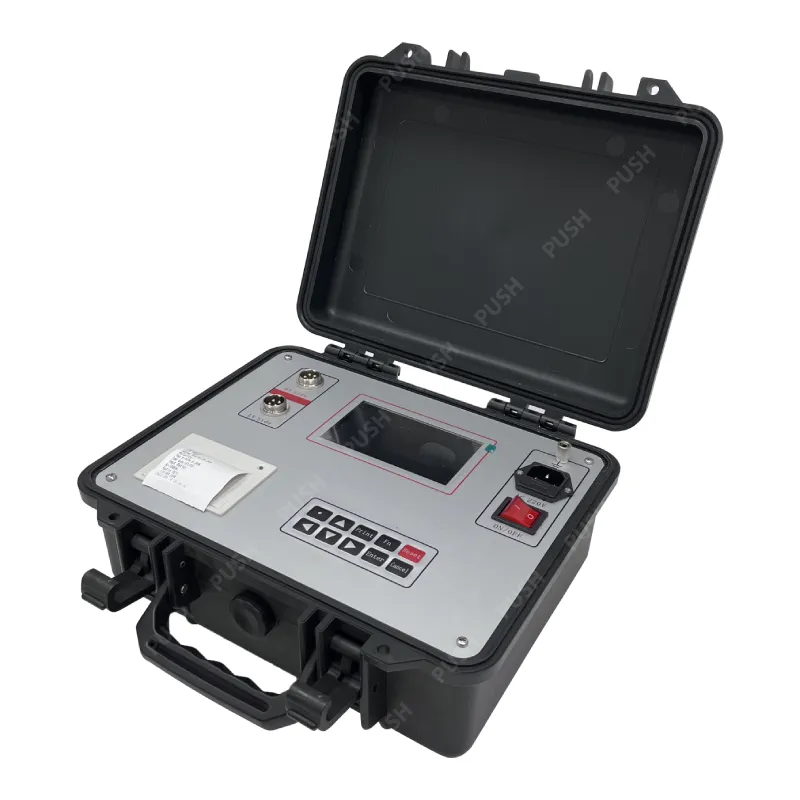
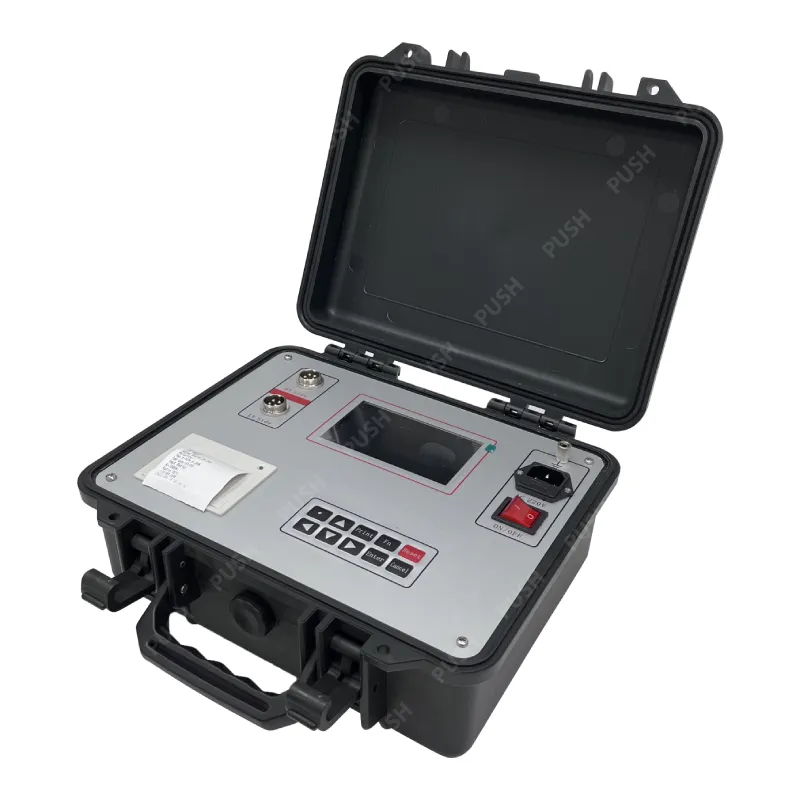
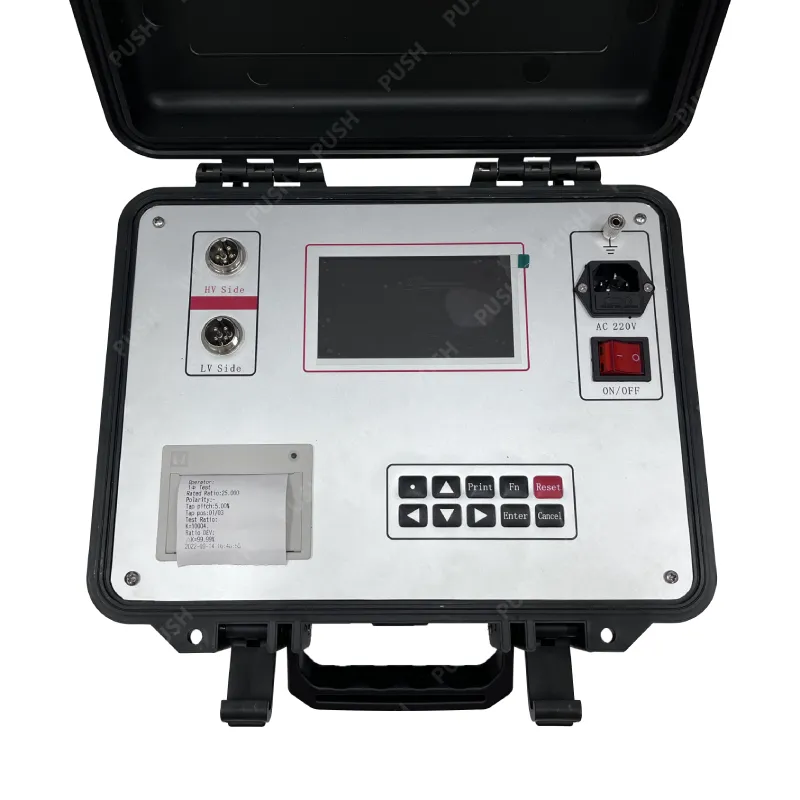
Product Selling Point Introduction
- 1, Fast test speed, high precision and good repeatability.
2, With Z-shaped connection transformer test function.
3, Can automatically test the transformation ratio and group number.
4, One-time start can automatically measure the winding ratio and calculate the ratio error, tap position, tap value, polarity and
other parameters.
5, The measurement results can be automatically stored. The instrument has a built-in memory and micro printer, which can print
all data.
6, Color screen display menu, intuitive and convenient operation.
7, The instrument is small and light, suitable for field operation.
8, Blind test function.
Product Parameter
|
Instrument parameters |
Technical index |
Instrument parameters |
Technical index |
|
Measuring range |
0.9~10000 |
The output voltage |
AC180V/60V |
|
Instrument power |
AC220V±10%、 |
measurement accuracy |
0.9~500 |
|
Instrument weight |
4Kg |
Operating temperature |
-10℃~40℃ |
|
Dimensions |
345 mm×245 mm×225 mm |
environment humidity |
<80 |
Write your message here and send it to us
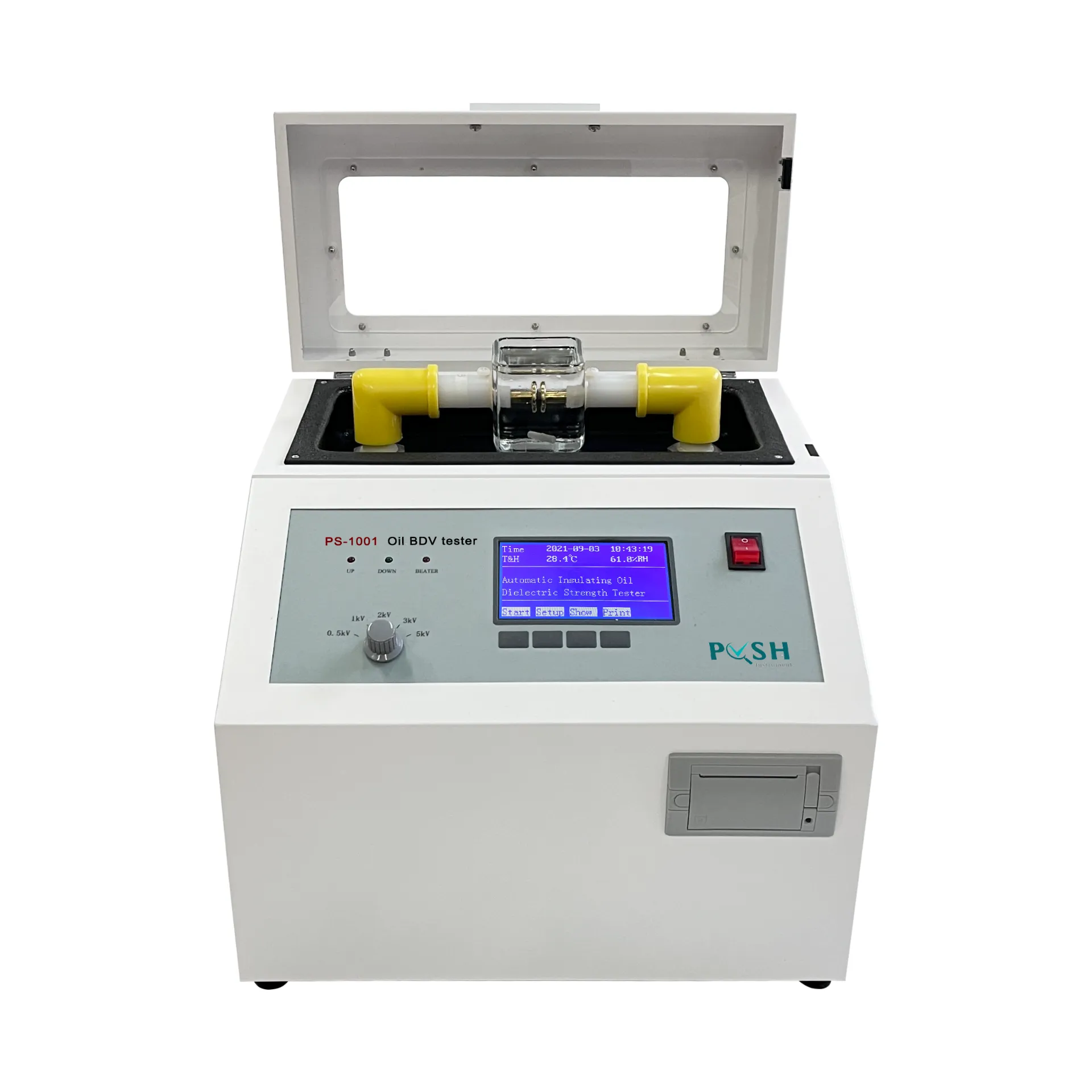
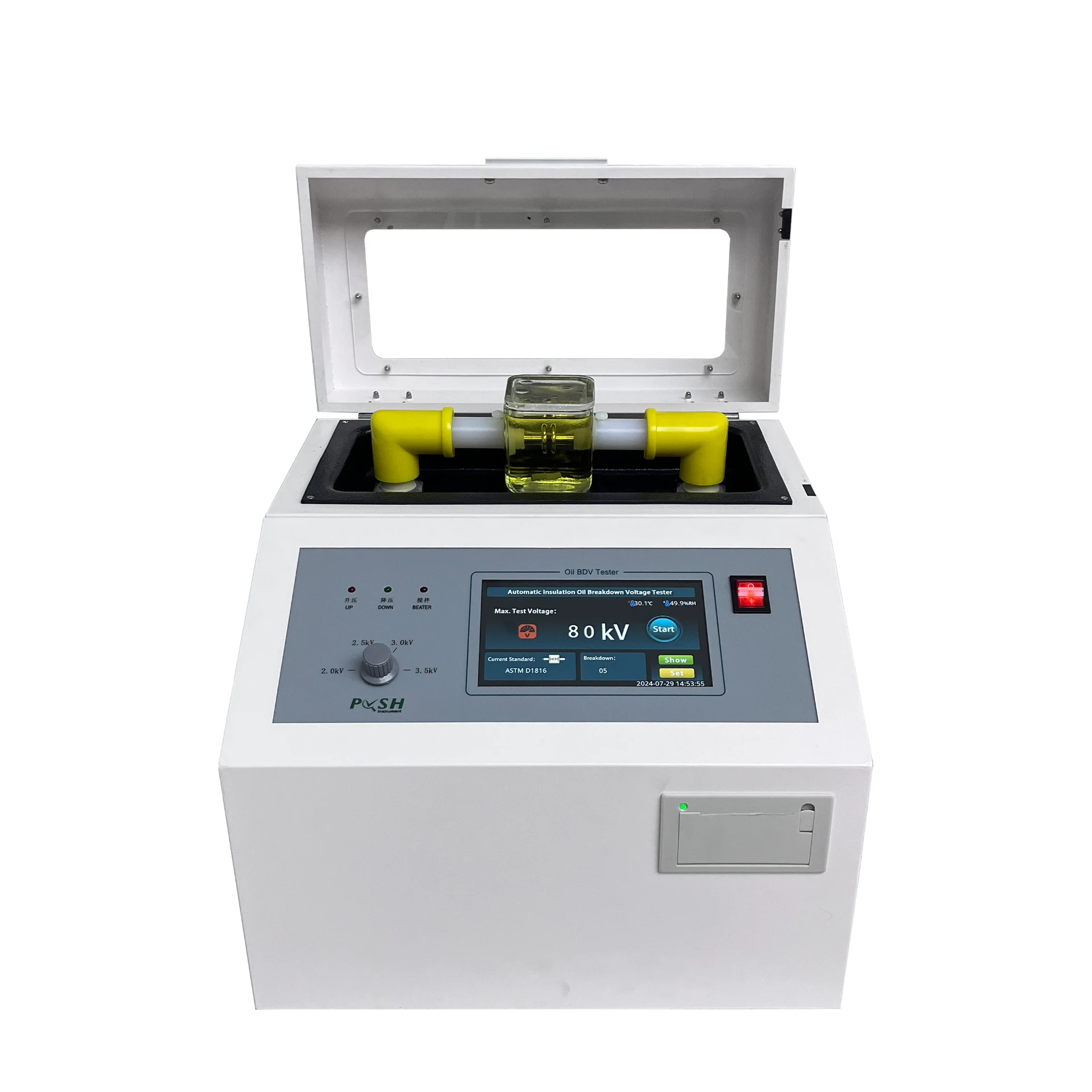
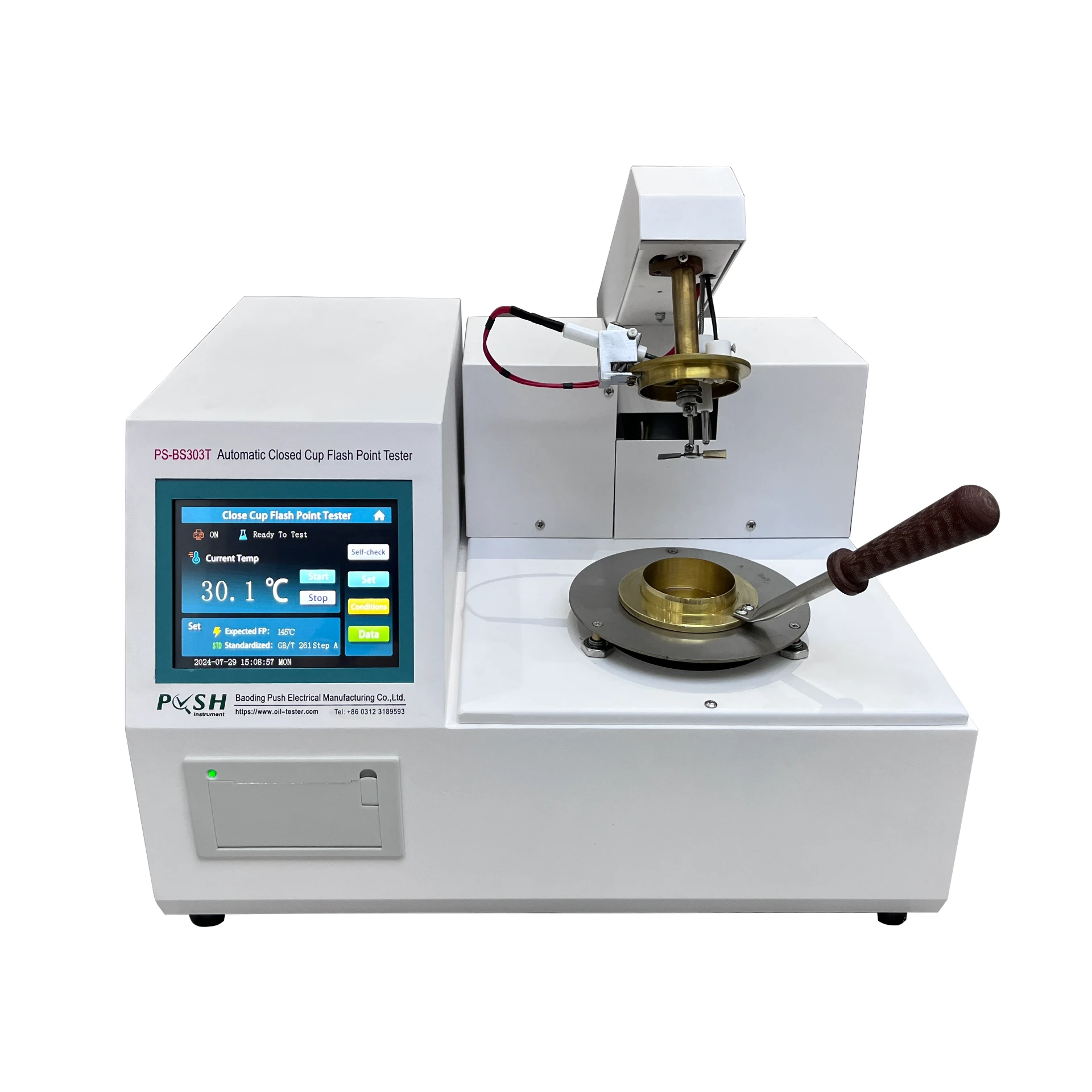
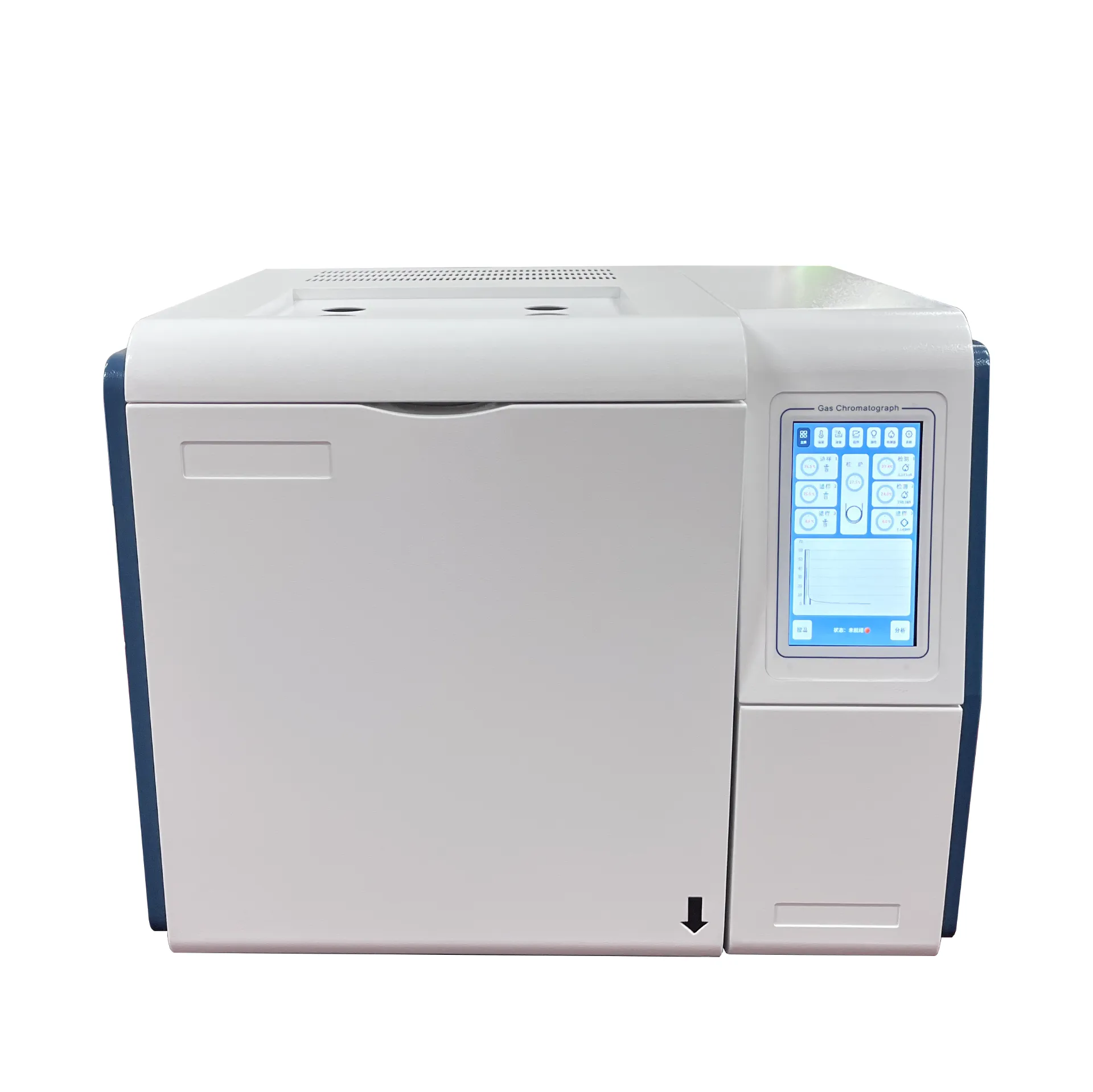
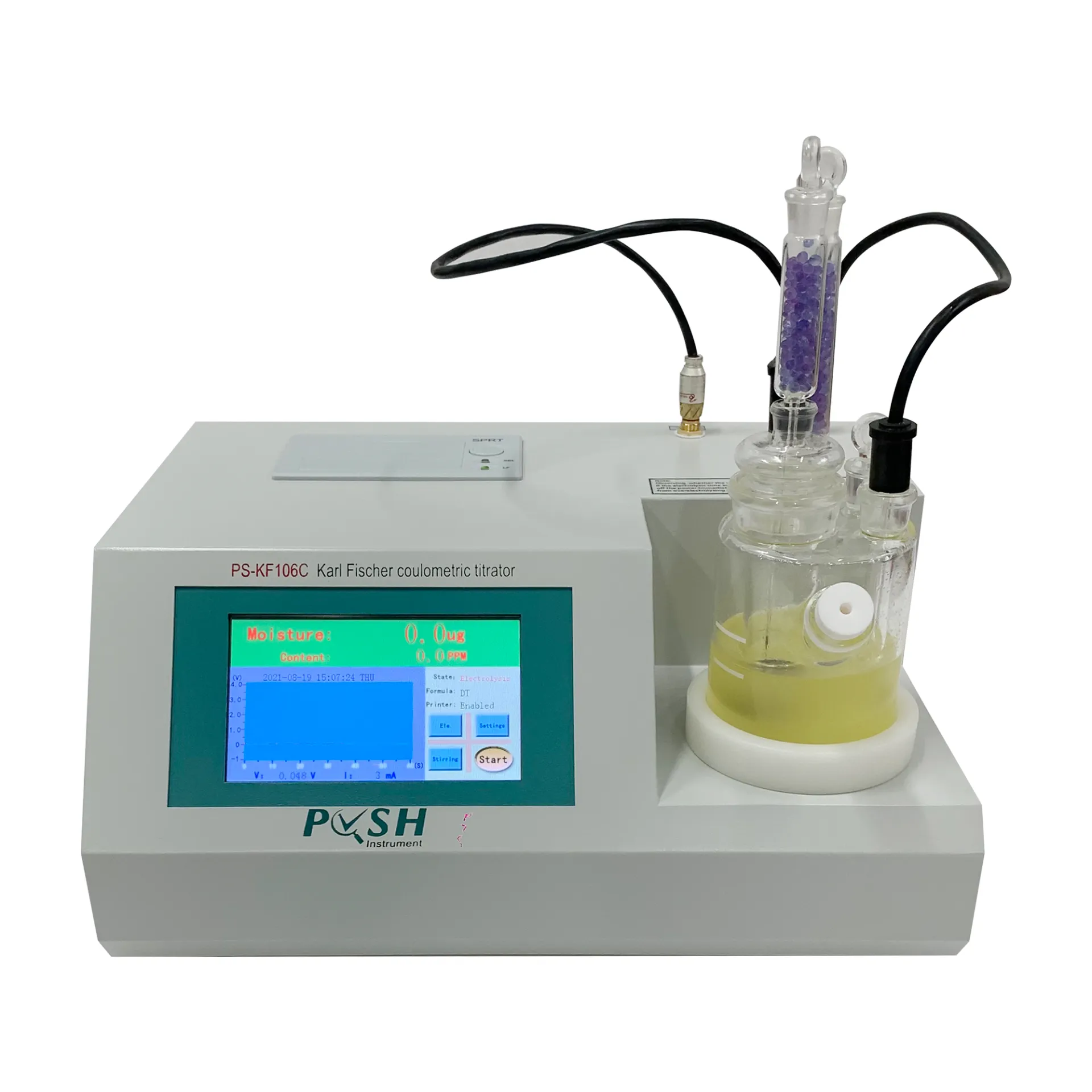
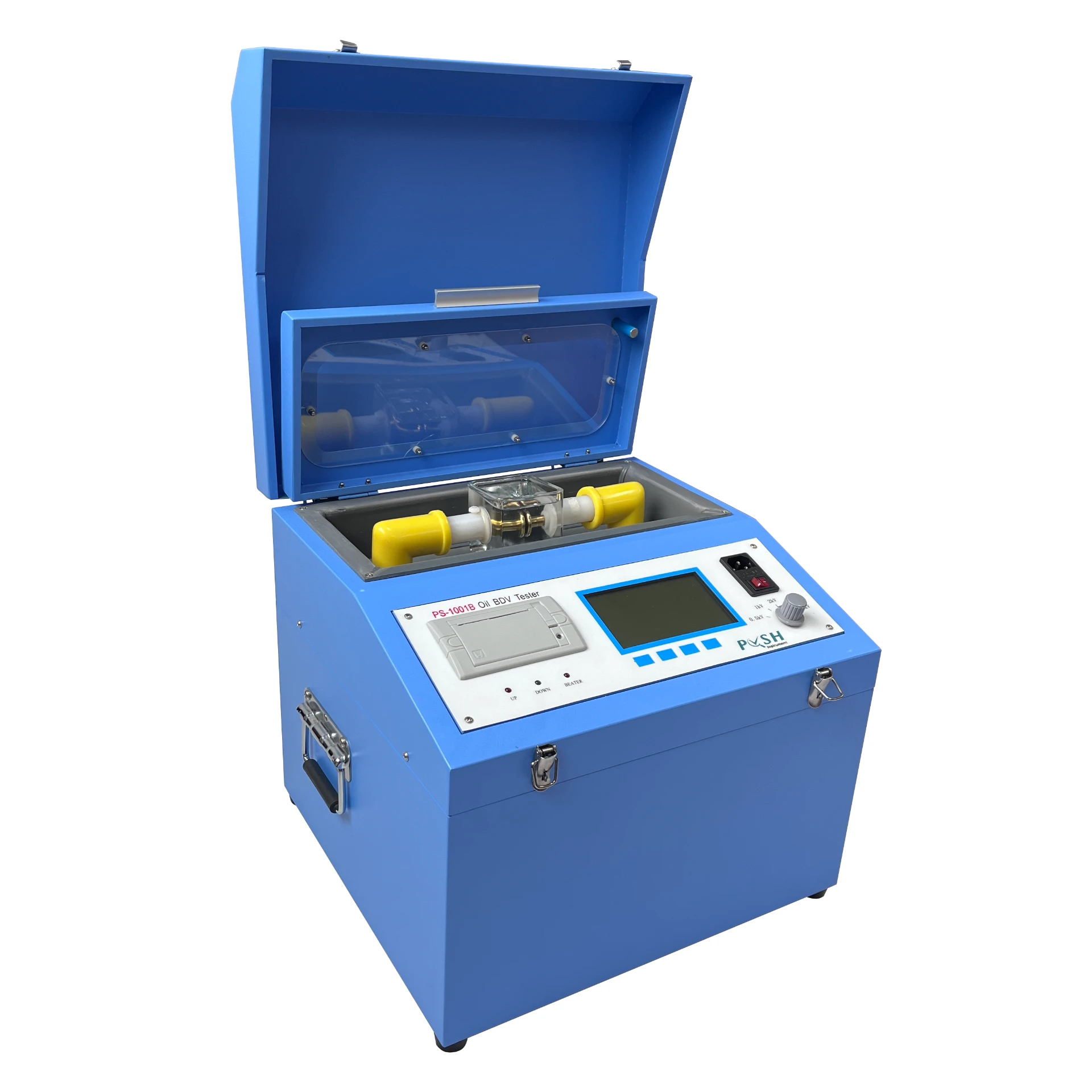
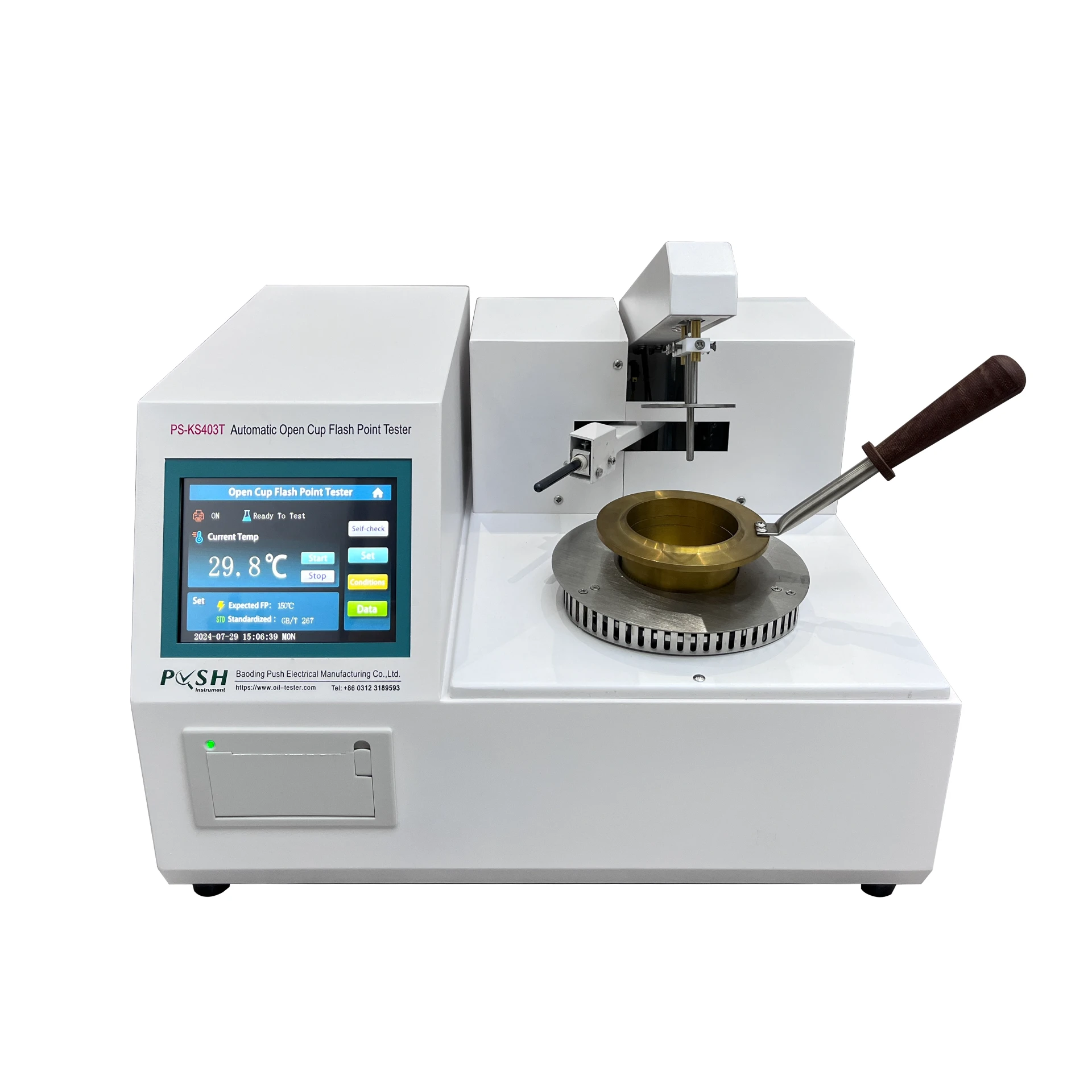
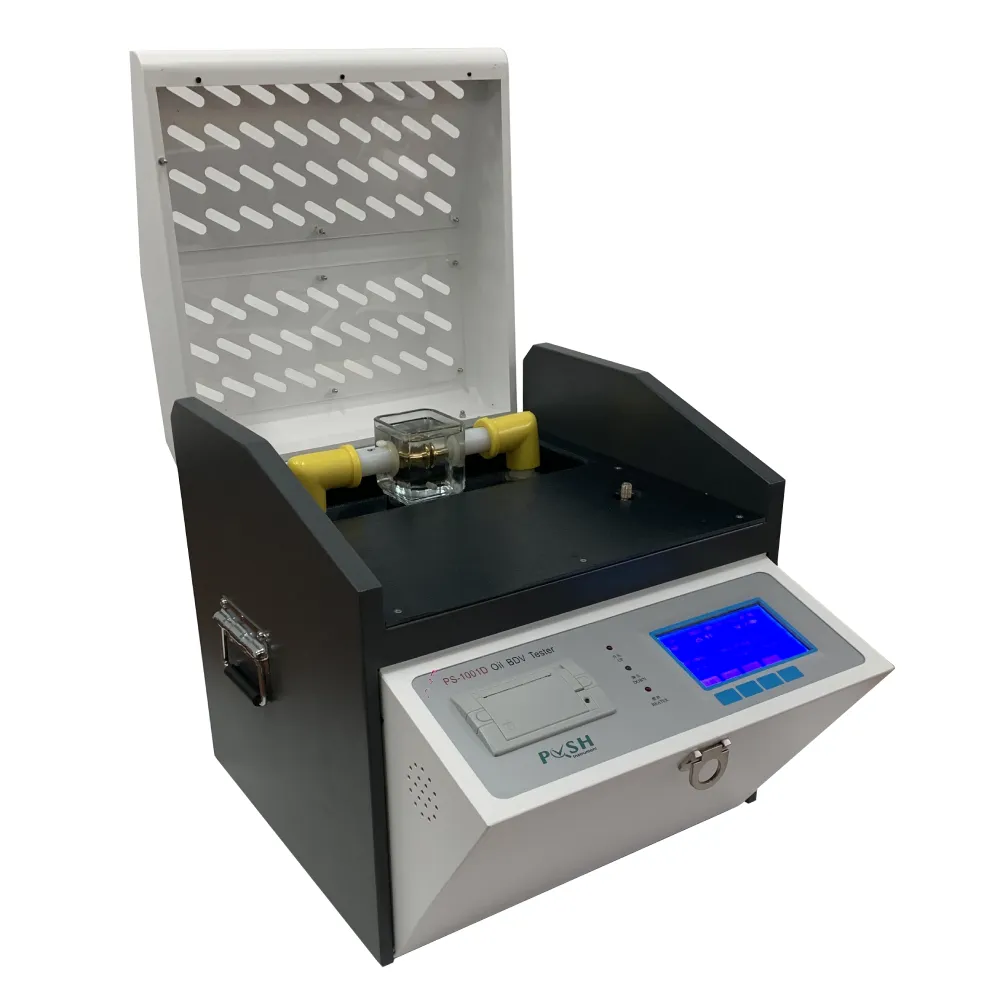
Related News
-
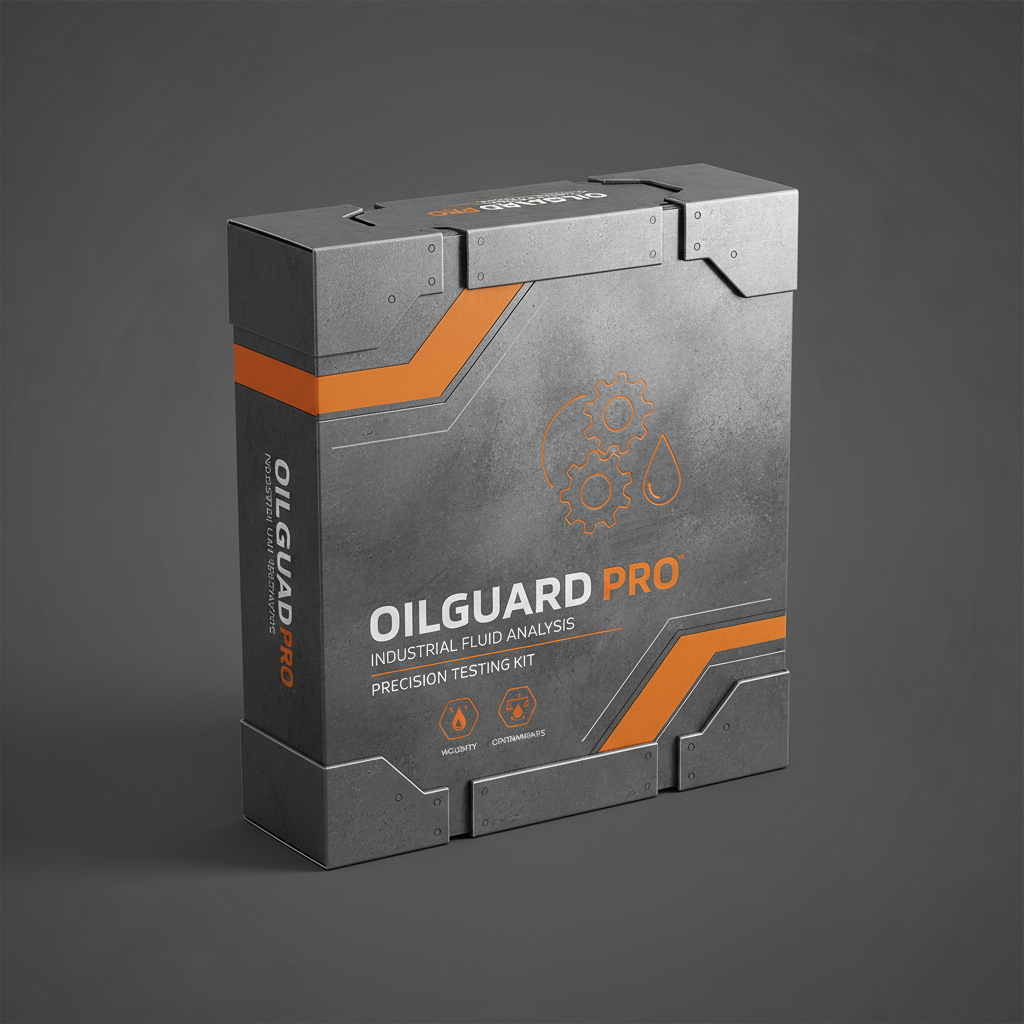 Guide to Choosing the Right Industrial Oil Testing Kit for MachineryMaintaining industrial machinery requires more than just regular lubrication; it demands precise monitoring of lubricant health. An oil testing kit serves as the first line of defense against catastrophic equipment failure. By analyzing oil quality on-site, maintenance teams can detect contamination, oxidation, and wear particles before they lead to costly downtime. Whether you are managing a fleet of heavy machinery or a complex manufacturing plant, understanding the capabilities of your testing tools is essential for maximizing operational efficiency. In this guide, we will explore how to select and utilize the best tools for your specific industrial needs.Detail
 -
 The Ultimate Guide to Transformer Oil Analysis for Grid ReliabilityMaintaining the health of electrical transformers is critical for preventing catastrophic failures and ensuring an uninterrupted power supply. One of the most effective ways to monitor this health is through professional transformer oil analysis, a process that acts as a blood test for your high-voltage equipment. By examining the physical, chemical, and dissolved gas properties of the insulating oil, engineers can detect early signs of overheating, electrical discharge, or insulation degradation. In this comprehensive guide, we will explore how systematic oil testing can extend the lifespan of your assets and reduce unplanned downtime.Detail
 -
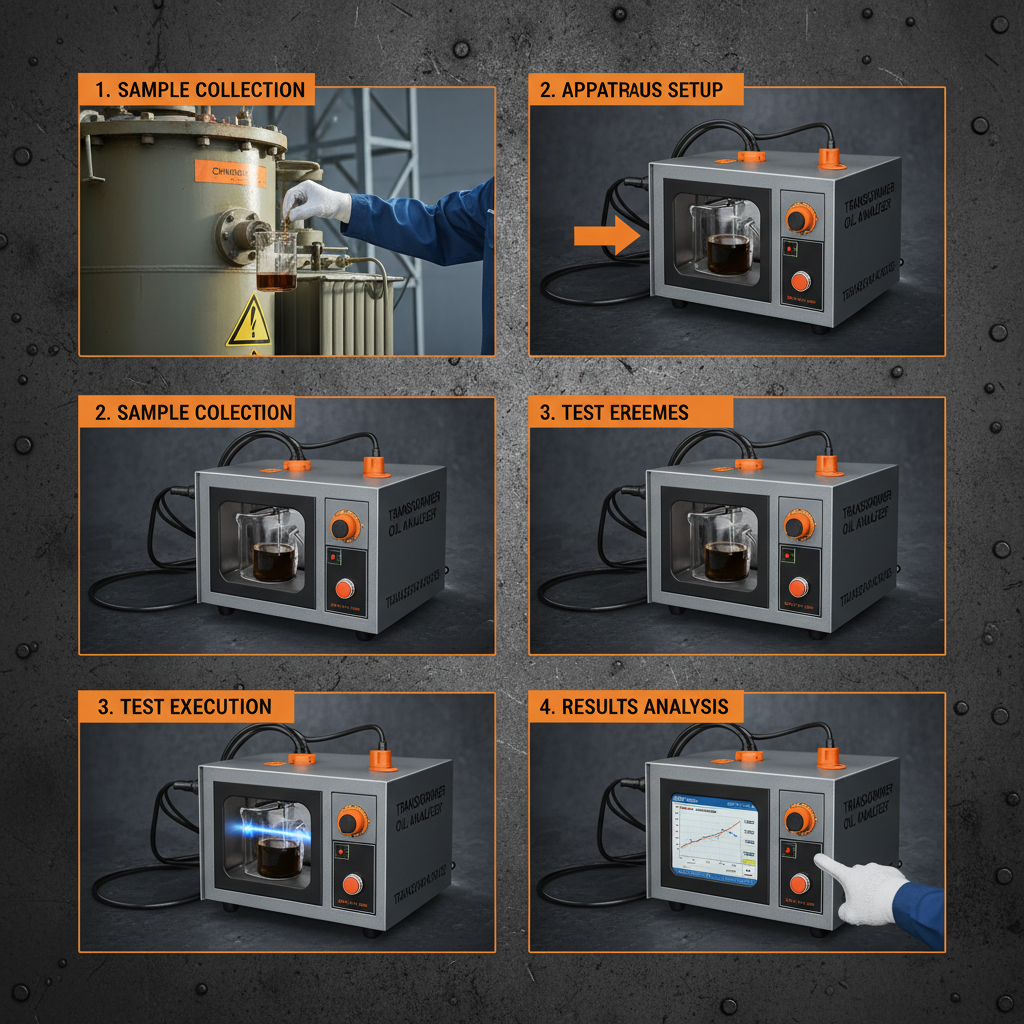 Comprehensive Guide to Transformer Oil Testing and Maintenance ProceduresMaintaining the health of your transformers is crucial for reliable power distribution. Regular transformer oil testing identifies potential issues before they lead to costly downtime or equipment failure. This article will detail the key tests performed, the importance of each, and how advancements in testing equipment are improving accuracy and efficiency.Detail