English



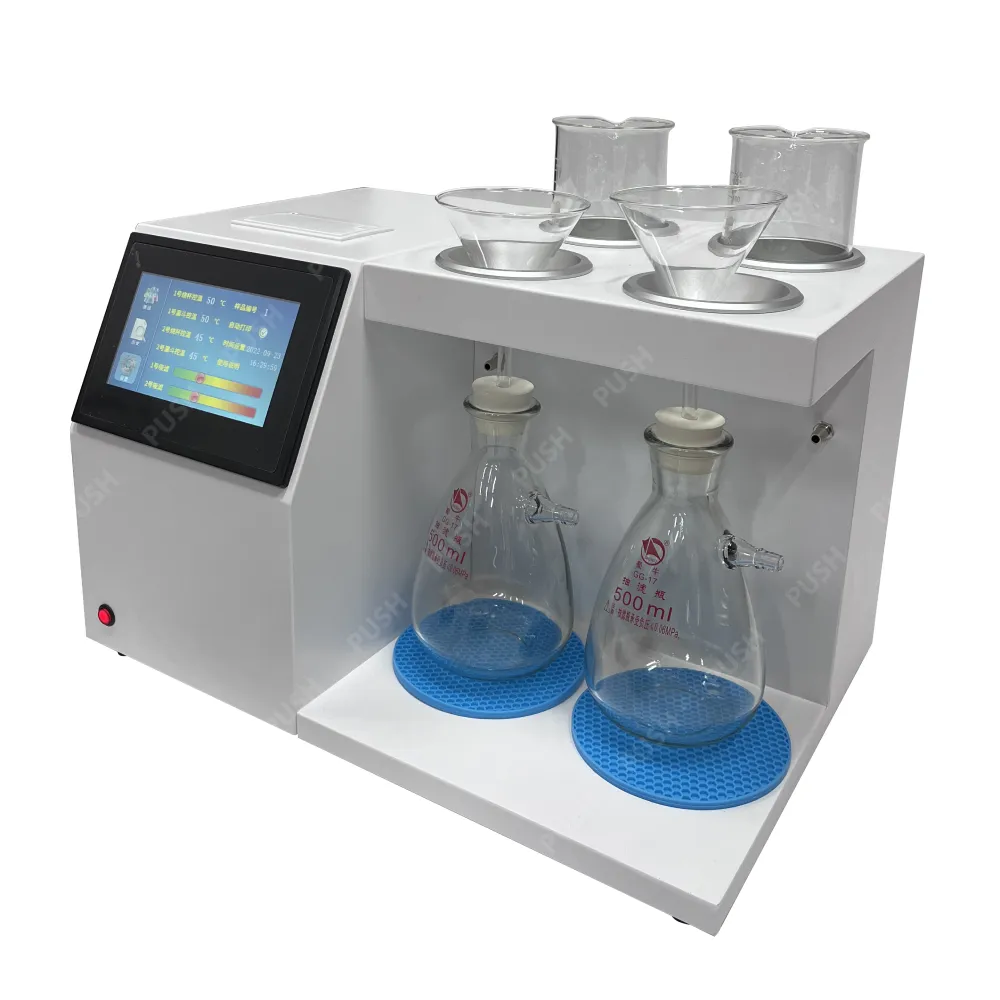
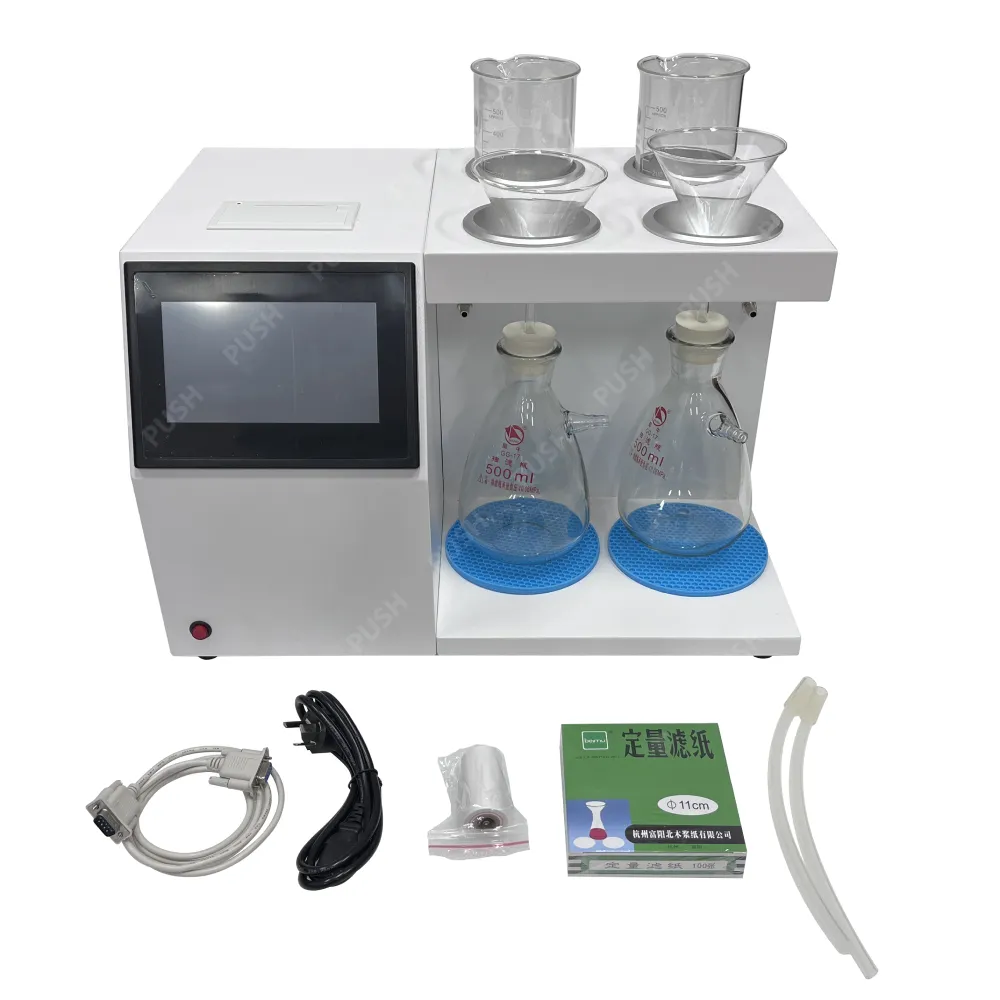
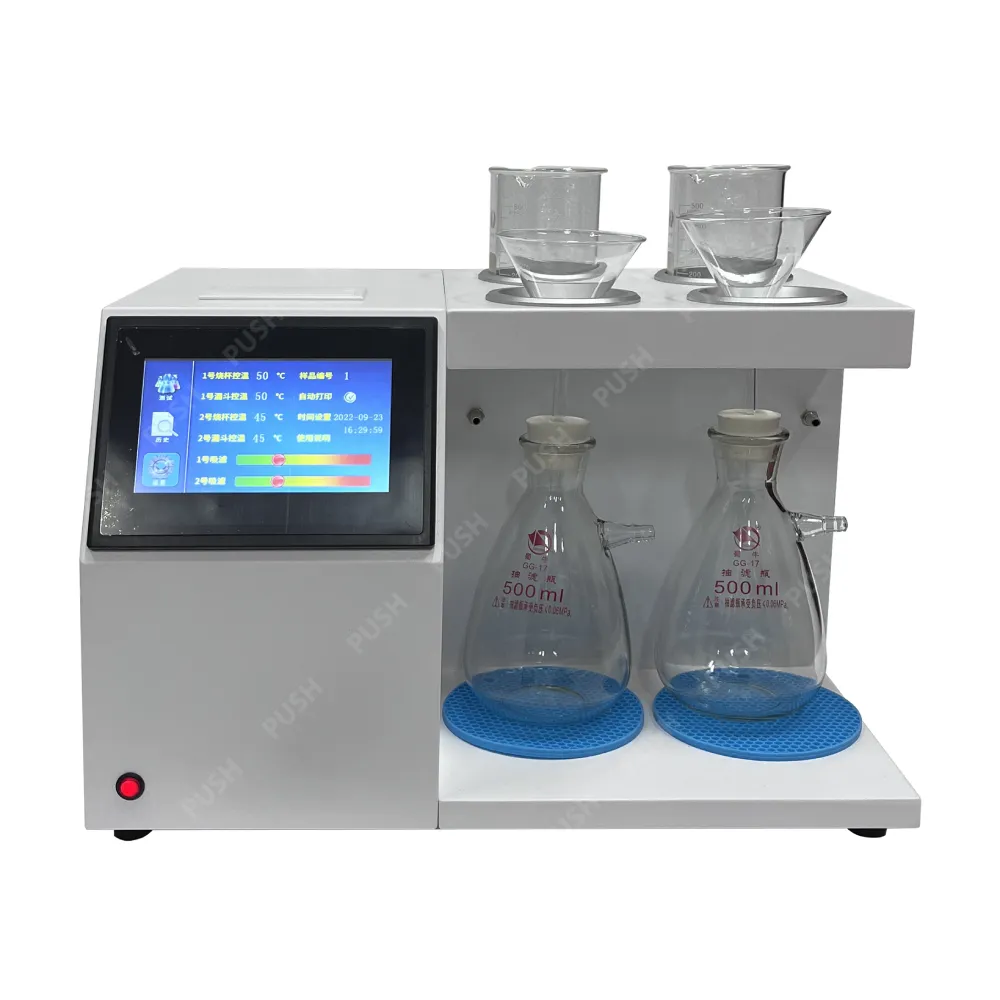
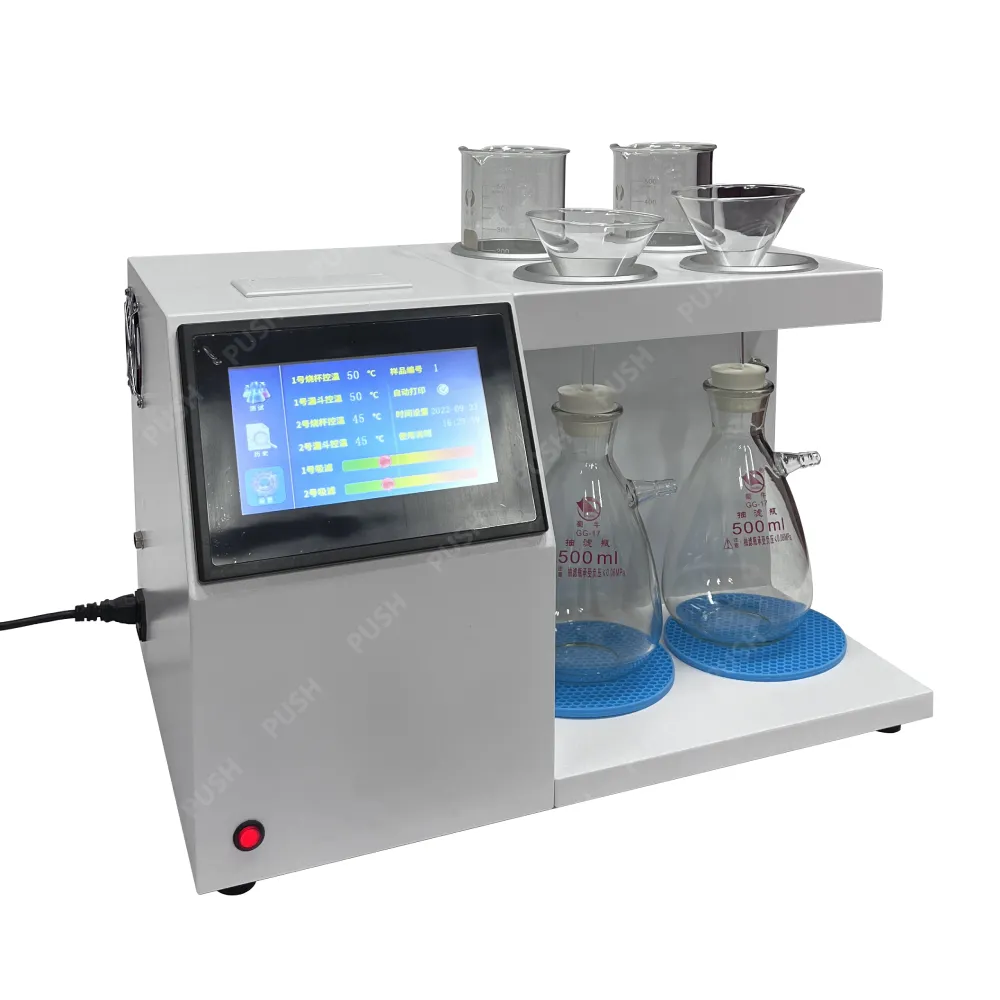
- 1.Seven-inch touch screen, waterproof panel
2.Four-way metal bath, funnel heating, beaker heating
3.Two-way vacuum filtration
4.Dedicated PID temperature control program
5.Program controlled decompression suction filtration
6.Worry-free maintenance-free vacuum pump
7.Read balance data directly
Introduction to the Mechanical Impurities Tester:
The Mechanical Impurities Tester is a specialized instrument designed for determining the mechanical impurities content in petroleum products, such as lubricating oils, fuels, and hydraulic fluids. Mechanical impurities refer to solid particles, debris, or contaminants present in the oil that can affect its performance and longevity.
Lubricating Oil Industry: Used for quality control and assessment of lubricating oils to ensure they meet cleanliness standards and performance requirements.
Fuel Industry: Employed for evaluating the cleanliness of fuels, including diesel, gasoline, and biodiesel, to prevent engine damage and fuel system fouling.
Hydraulic Systems: Essential for monitoring the cleanliness of hydraulic fluids to prevent wear and damage to hydraulic components and systems.
Petrochemical Industry: Utilized for assessing the cleanliness of various petroleum-based products, including base oils, gear oils, and turbine oils.
Quality Assurance: Ensures that petroleum products meet cleanliness specifications and standards, preventing equipment malfunctions, component wear, and system failures.
Preventive Maintenance: Helps in identifying potential issues early by detecting excessive mechanical impurities, allowing for timely maintenance and replacement of contaminated oils.
Condition Monitoring: Enables continuous monitoring of oil cleanliness levels in critical equipment and systems, facilitating proactive maintenance and troubleshooting.
Research and Development: Used in laboratories and research facilities to study the effects of operating conditions, filtration methods, and additives on mechanical impurities in oils, contributing to the development of cleaner and more efficient lubricants and fuels.
|
Display |
7 inches LCD display |
|
Temperature control range |
room temperature ~ 100 ℃ |
|
Temperature control accuracy |
±0.1°C |
|
Resolution |
0.1°C |
|
Rated power |
800W |
|
Dimensions |
520*350*340 |
-
 Guide to Choosing the Right Industrial Oil Testing Kit for MachineryMaintaining industrial machinery requires more than just regular lubrication; it demands precise monitoring of lubricant health. An oil testing kit serves as the first line of defense against catastrophic equipment failure. By analyzing oil quality on-site, maintenance teams can detect contamination, oxidation, and wear particles before they lead to costly downtime. Whether you are managing a fleet of heavy machinery or a complex manufacturing plant, understanding the capabilities of your testing tools is essential for maximizing operational efficiency. In this guide, we will explore how to select and utilize the best tools for your specific industrial needs.Detail
 -
 The Ultimate Guide to Transformer Oil Analysis for Grid ReliabilityMaintaining the health of electrical transformers is critical for preventing catastrophic failures and ensuring an uninterrupted power supply. One of the most effective ways to monitor this health is through professional transformer oil analysis, a process that acts as a blood test for your high-voltage equipment. By examining the physical, chemical, and dissolved gas properties of the insulating oil, engineers can detect early signs of overheating, electrical discharge, or insulation degradation. In this comprehensive guide, we will explore how systematic oil testing can extend the lifespan of your assets and reduce unplanned downtime.Detail
 -
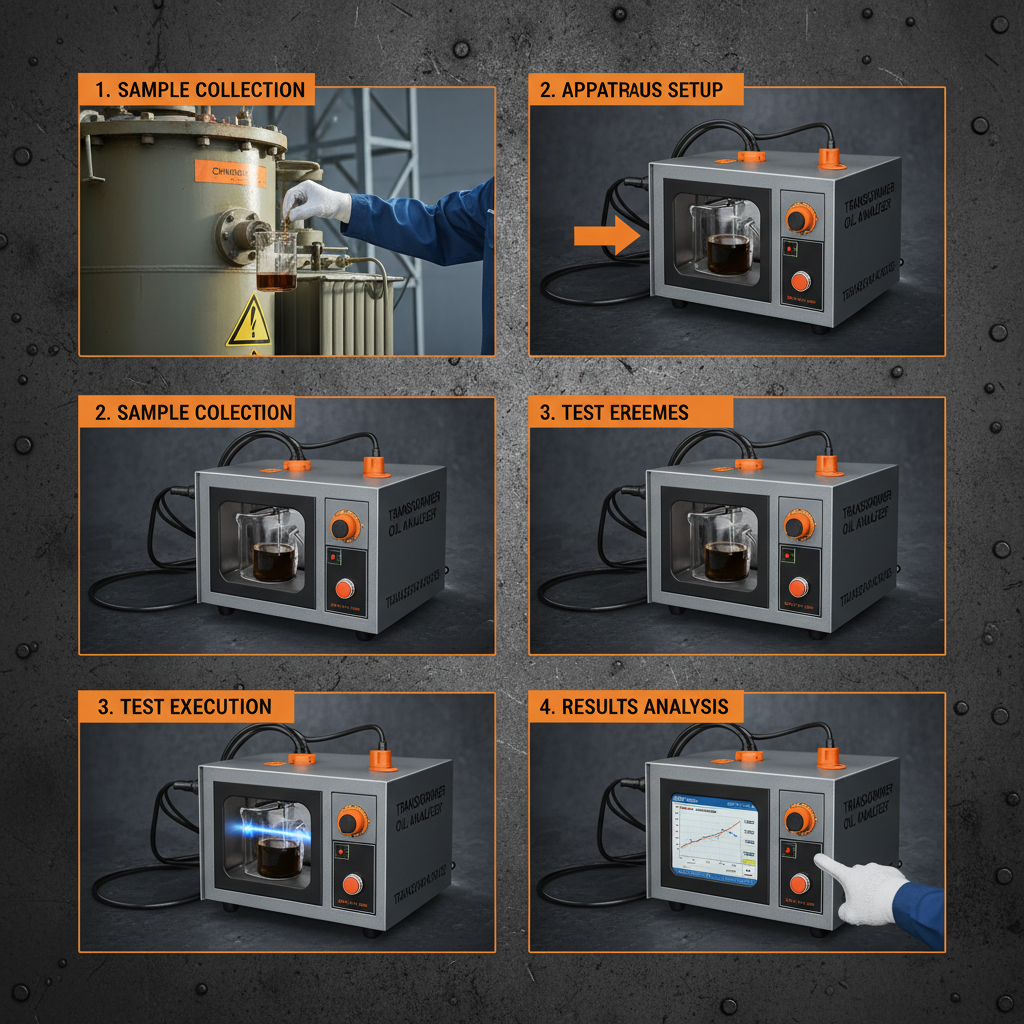 Comprehensive Guide to Transformer Oil Testing and Maintenance ProceduresMaintaining the health of your transformers is crucial for reliable power distribution. Regular transformer oil testing identifies potential issues before they lead to costly downtime or equipment failure. This article will detail the key tests performed, the importance of each, and how advancements in testing equipment are improving accuracy and efficiency.Detail