English



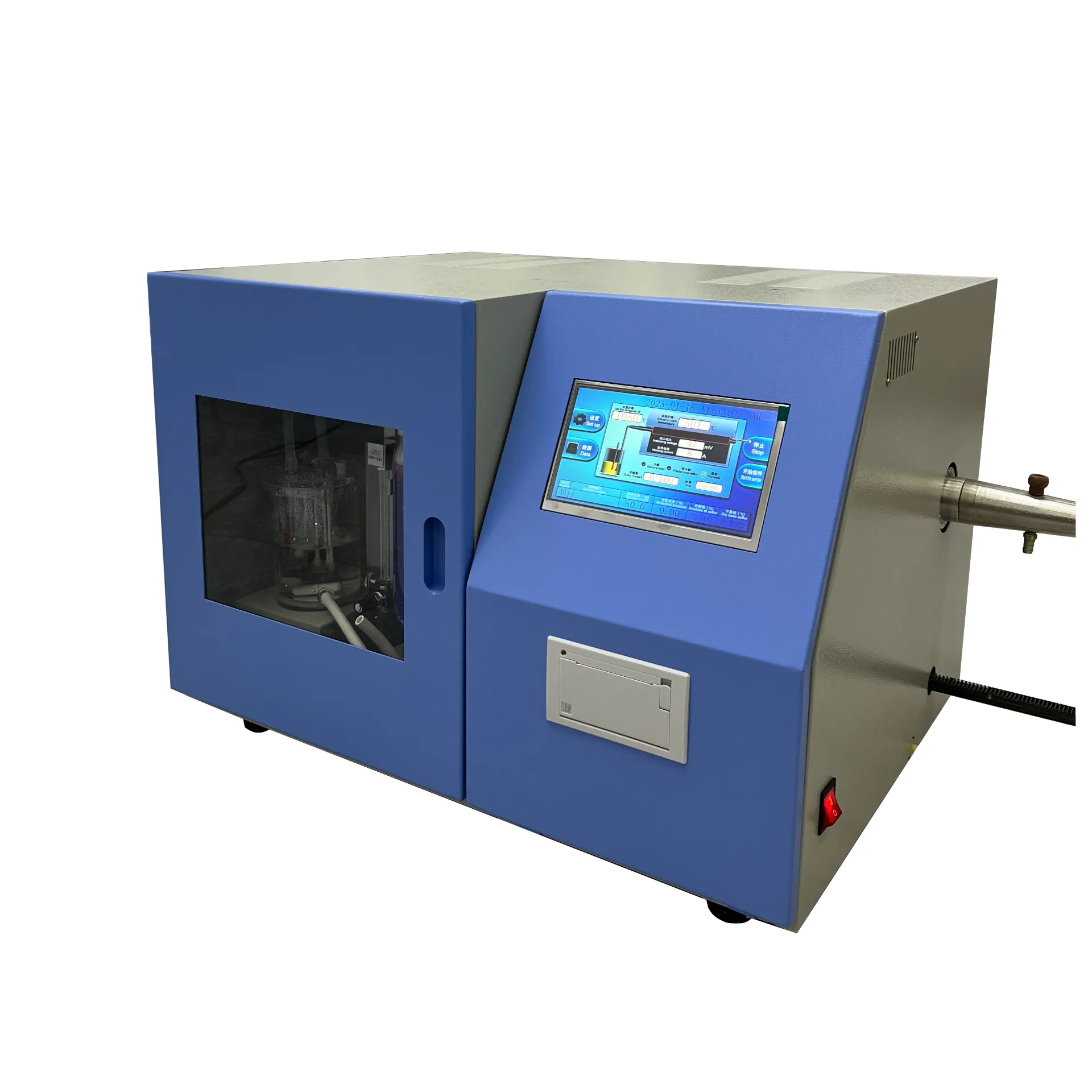
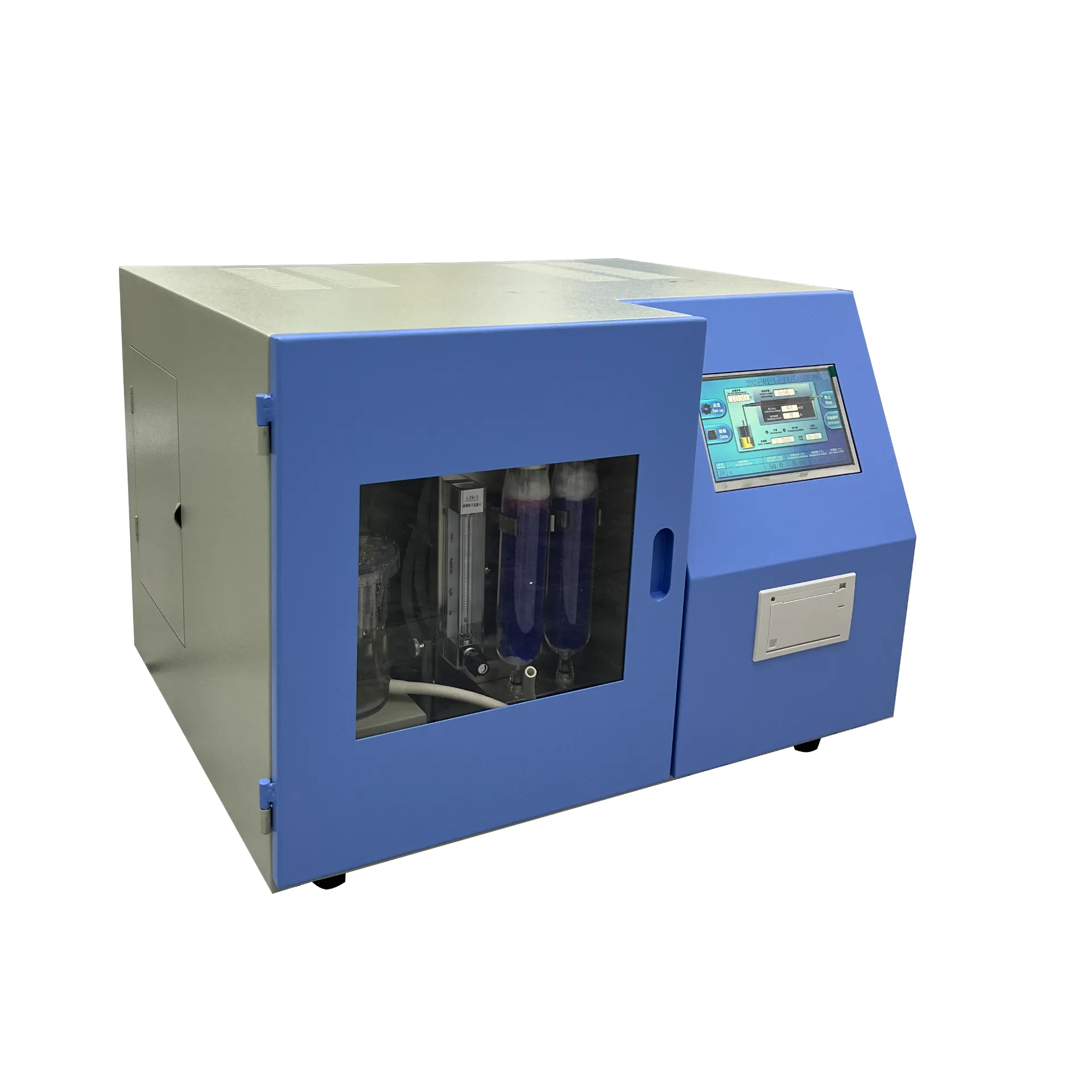
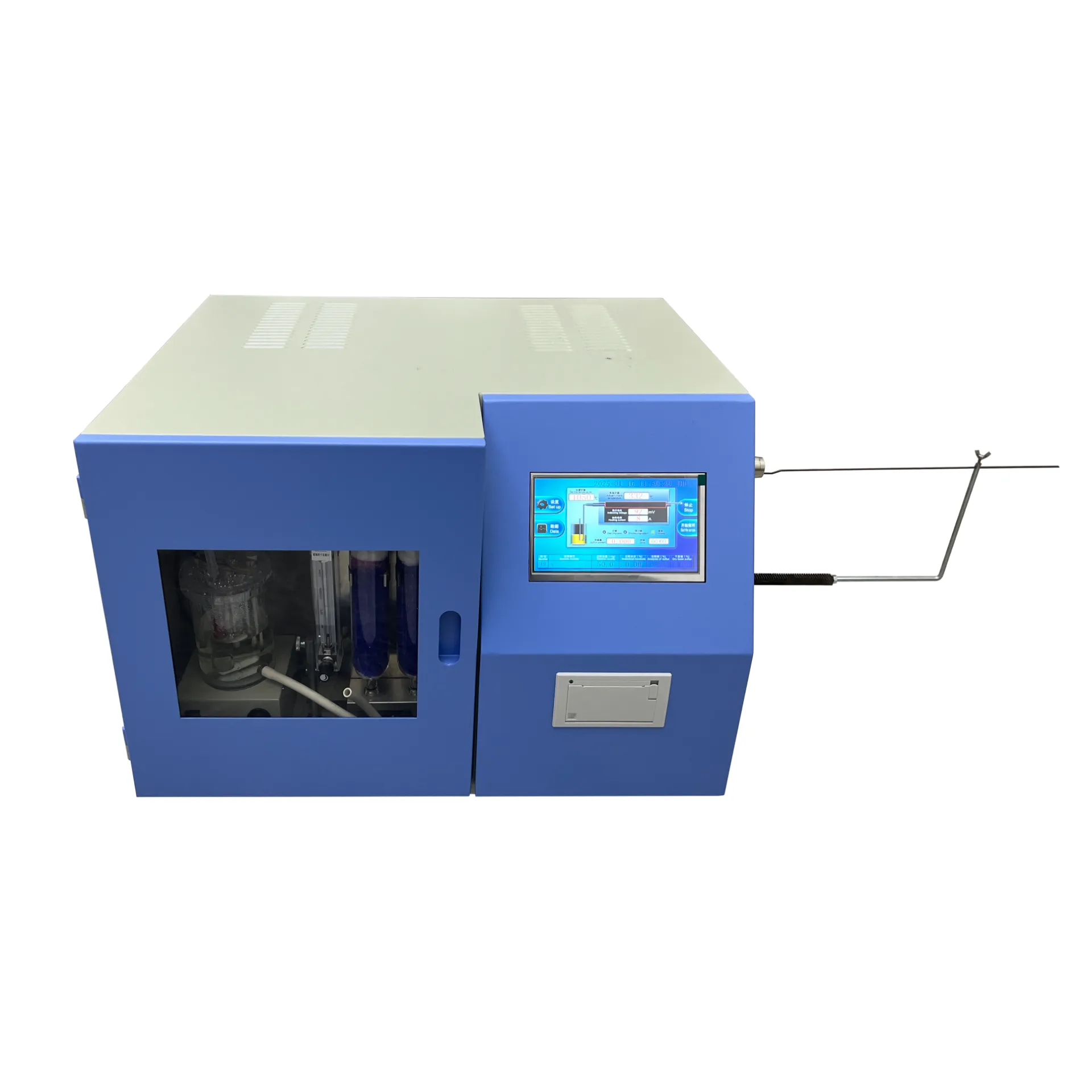
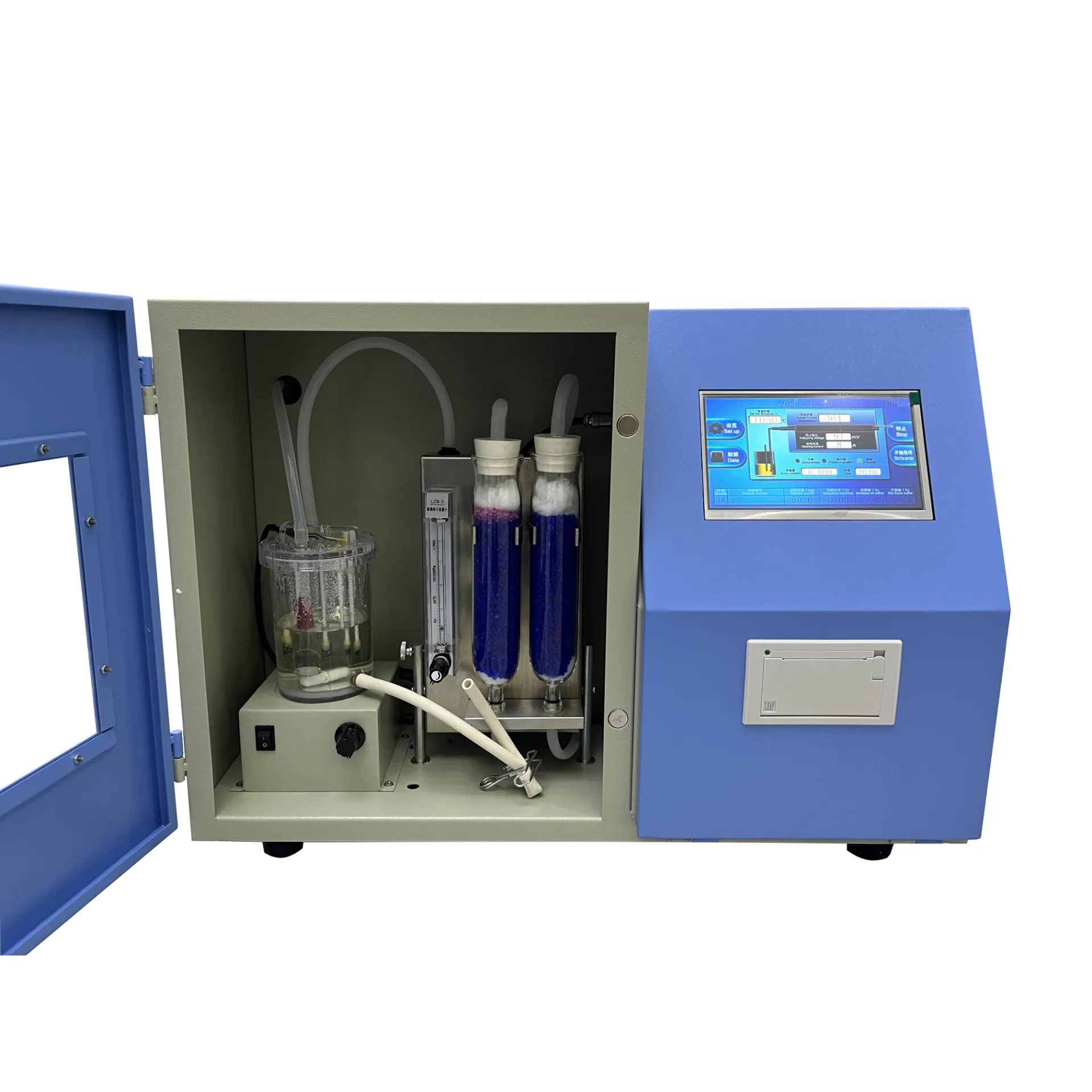
Compared with similar sulfur analyzers, this instrument has the following features:
[1] Friendly human-machine interface, simple keyboard operation, easy to learn and use.
[2] The furnace temperature adopts PID mode to control the furnace flow, with high temperature control accuracy, which can effectively protect the silicon carbon tube and extend the service life.
[3] The furnace temperature and correction can be directly changed by keyboard input.
[4] Intelligent control of the on and off of the electrolysis switch will not cause over-electrolysis due to the order of switching on and off.
[5] When making coal samples, you can check the furnace temperature, furnace flow, indication voltage, process time and sulfur content at any time, and the test process is clear at a glance.
[6] Automatically determine the titration end point, shorten the experimental time and improve work efficiency.
[7] If the moisture value is entered, the dry agent sulfur and moisture value will be calculated and printed.
[8] This instrument can memorize the latest 100 historical records when the power is off, and can print the historical records at any time.
[1] Sulfur measurement range: 0-10%
[2] Sample combustion analysis time 3--9 minutes, intelligent judgment titration end point return.
[3] Temperature control: accuracy 1150±5℃. Temperature measurement: accuracy 0.5 level; heating body is silicon carbon tube, high temperature zone length ≥90 mm, temperature is 1150℃±5℃ (temperature can be adjusted as needed).
[4] Heating speed: 25--30℃/min, about 35 minutes to reach 1200℃.
[5] Electrolytic cell: volume 450 ml, metal platinum electrode.
[6] Instrument stability: enter stable state within 1 minute after power on.
[7] Power supply: 220V±20% 50Hz.
Analysis principle
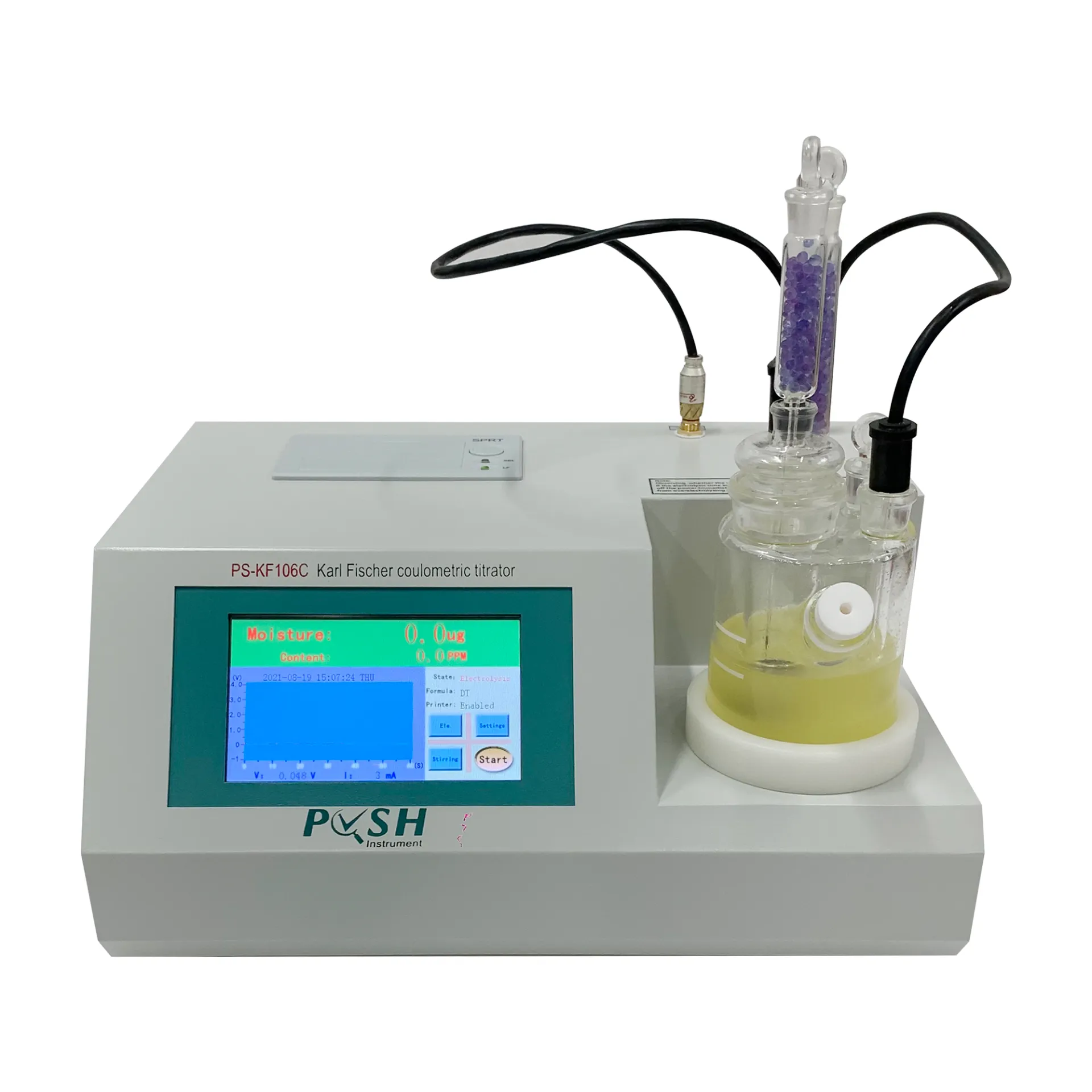
The coal sample is burned in a purified air flow at a high temperature of 1150℃. All forms of sulfur in the coal are burned and decomposed, and carried to the electrolytic cell by the air flow to combine with water to form H2SO3. Since it destroys the original dynamic balance of iodine-iodide ion pairs in the electrolytic cell, the instrument immediately outputs current to electrolyze potassium iodide solution to generate iodine to restore the original dynamic balance, which is the coulometric titration in GB/T214-1996. The specific amount of current consumed to restore the original dynamic balance is directly related to the amount of sulfur burned and decomposed in the coal sample, which can be measured and calculated by the microprocessor, so we can derive the total sulfur content in the coal.
-
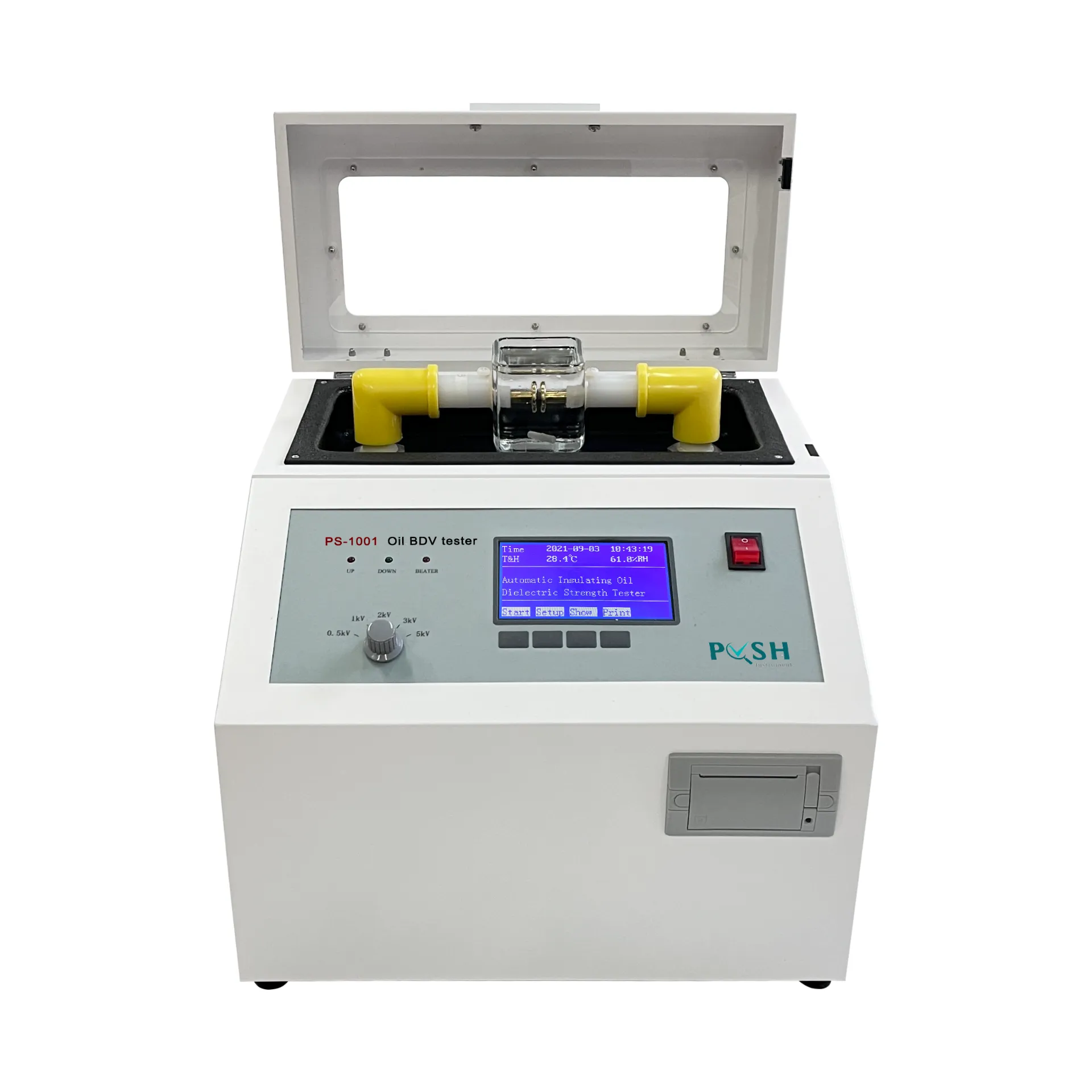
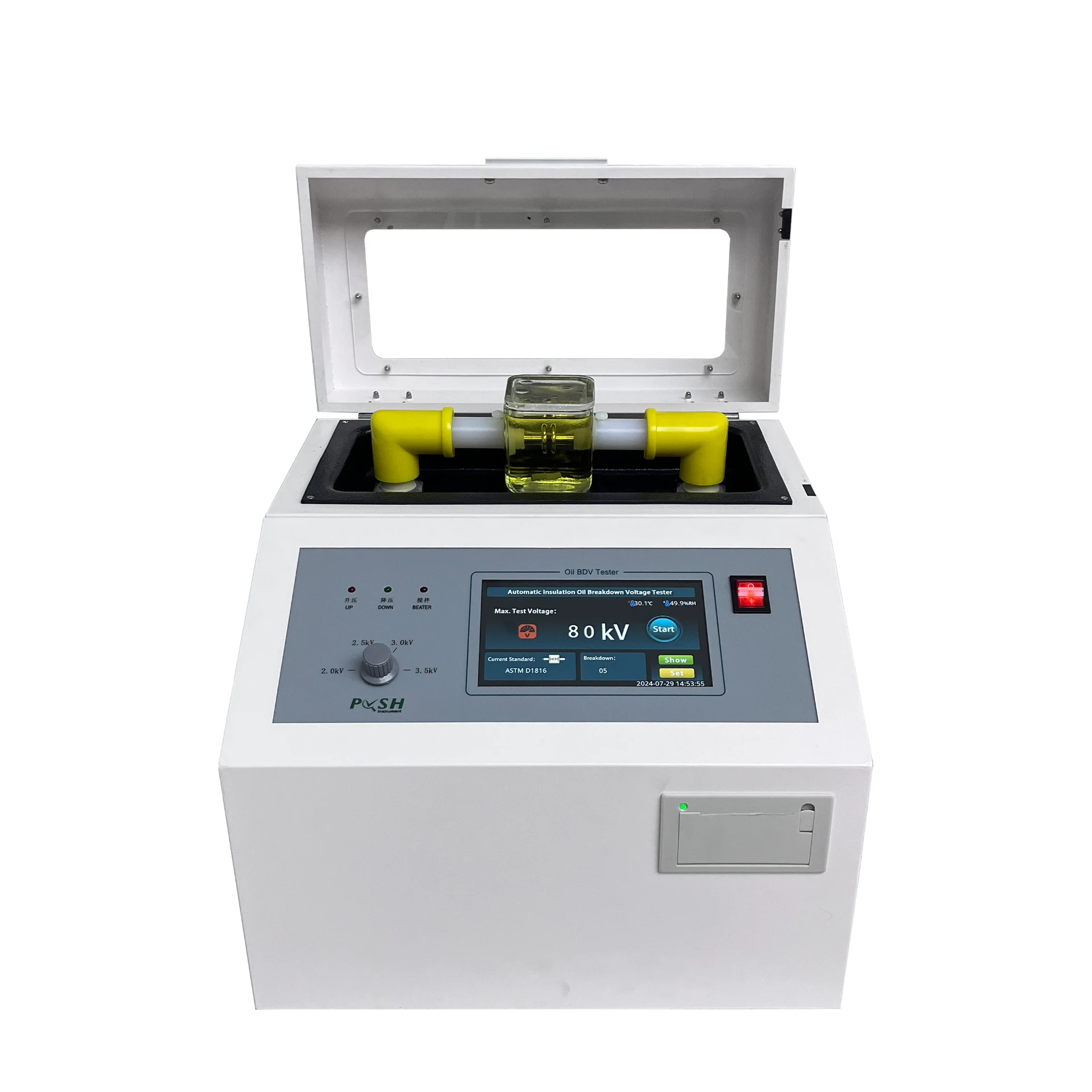
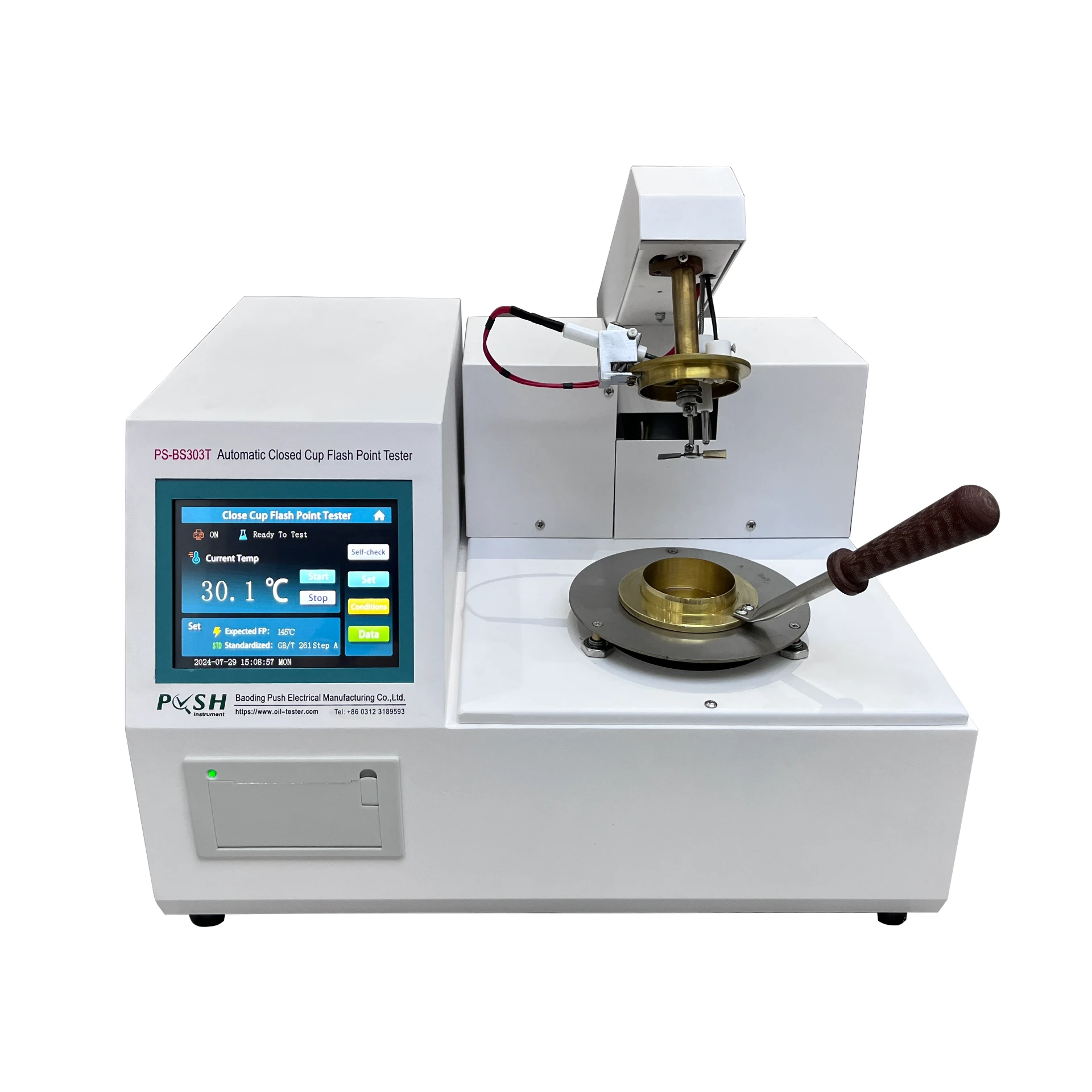
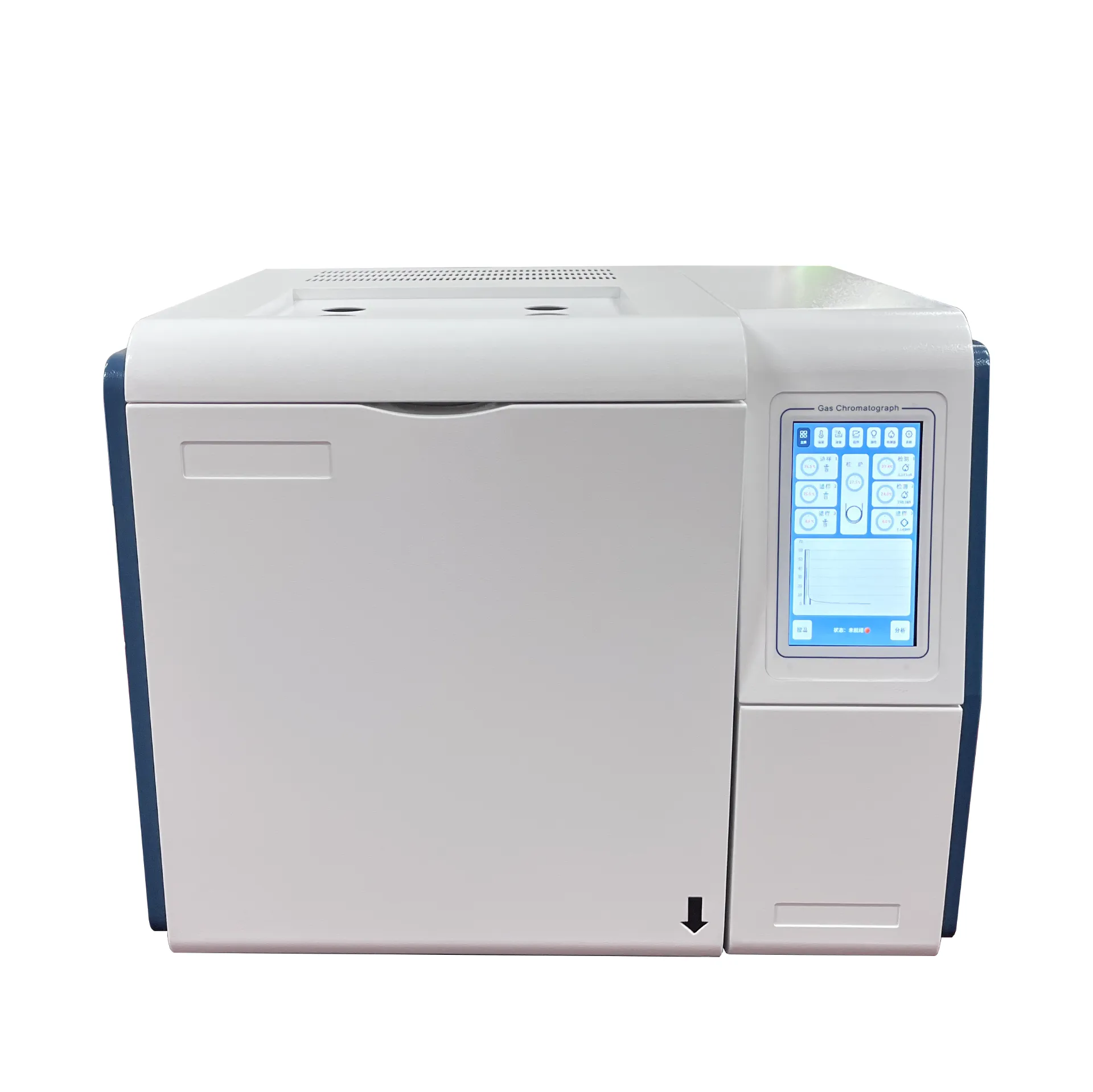
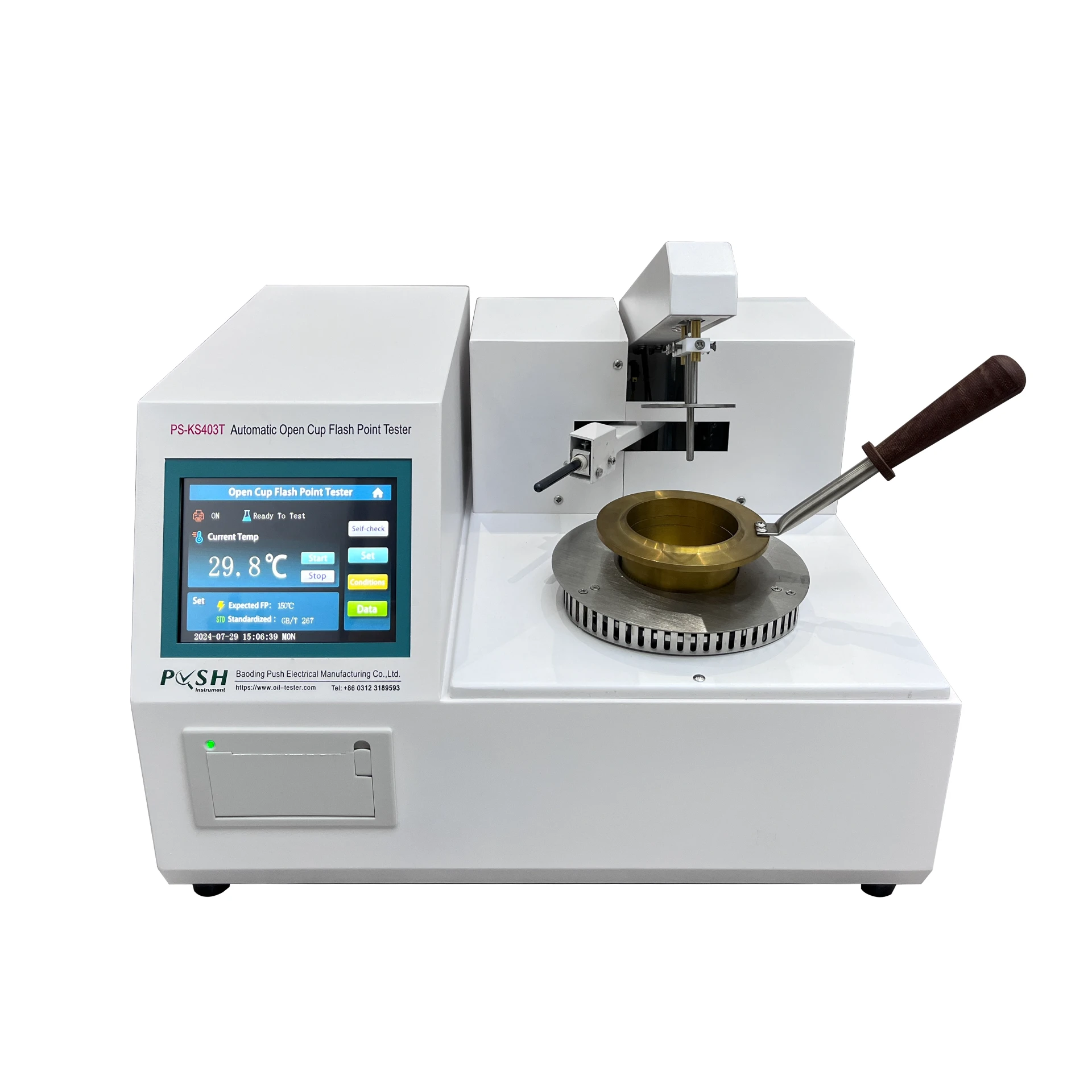
 Guide to Choosing the Right Industrial Oil Testing Kit for MachineryMaintaining industrial machinery requires more than just regular lubrication; it demands precise monitoring of lubricant health. An oil testing kit serves as the first line of defense against catastrophic equipment failure. By analyzing oil quality on-site, maintenance teams can detect contamination, oxidation, and wear particles before they lead to costly downtime. Whether you are managing a fleet of heavy machinery or a complex manufacturing plant, understanding the capabilities of your testing tools is essential for maximizing operational efficiency. In this guide, we will explore how to select and utilize the best tools for your specific industrial needs.Detail
 -
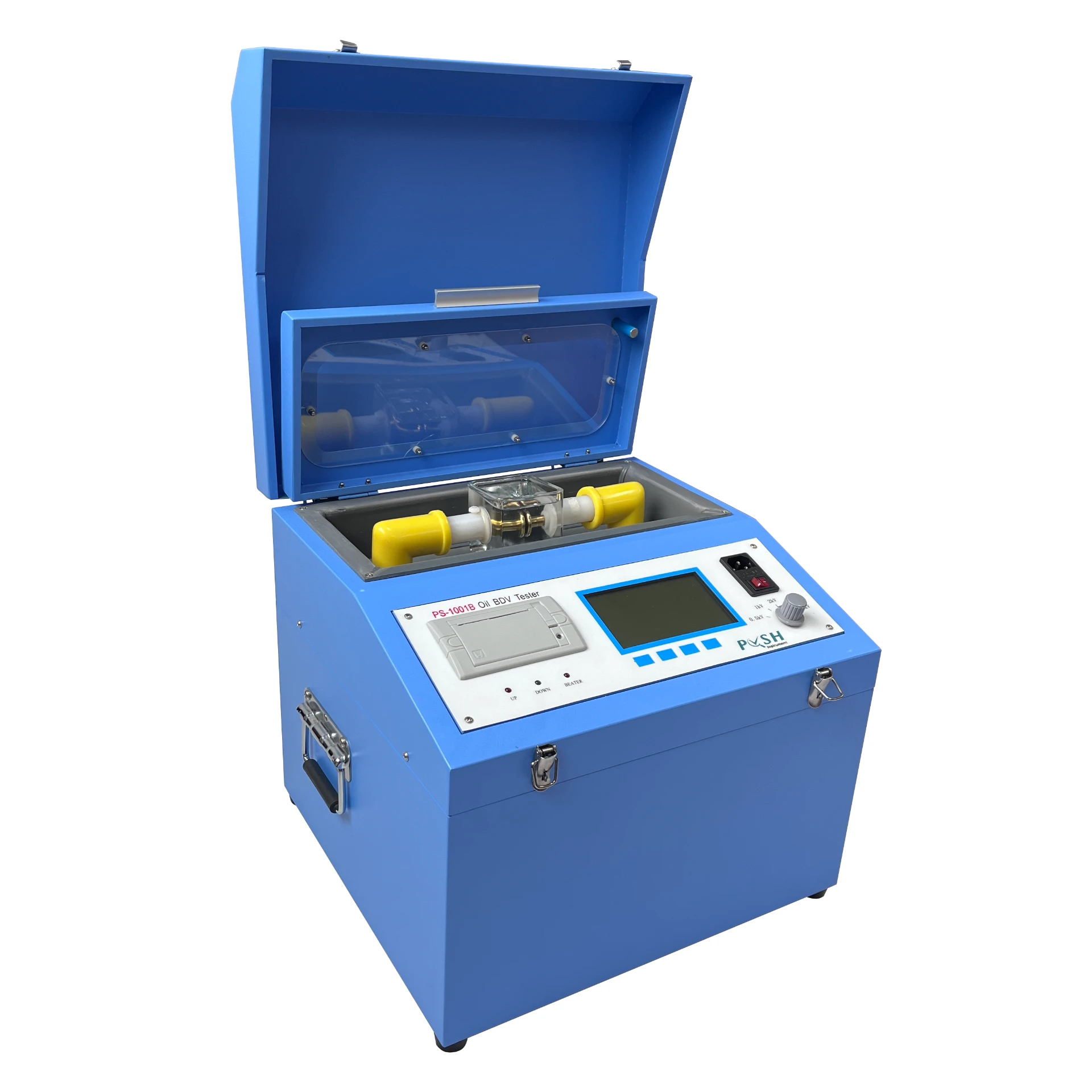
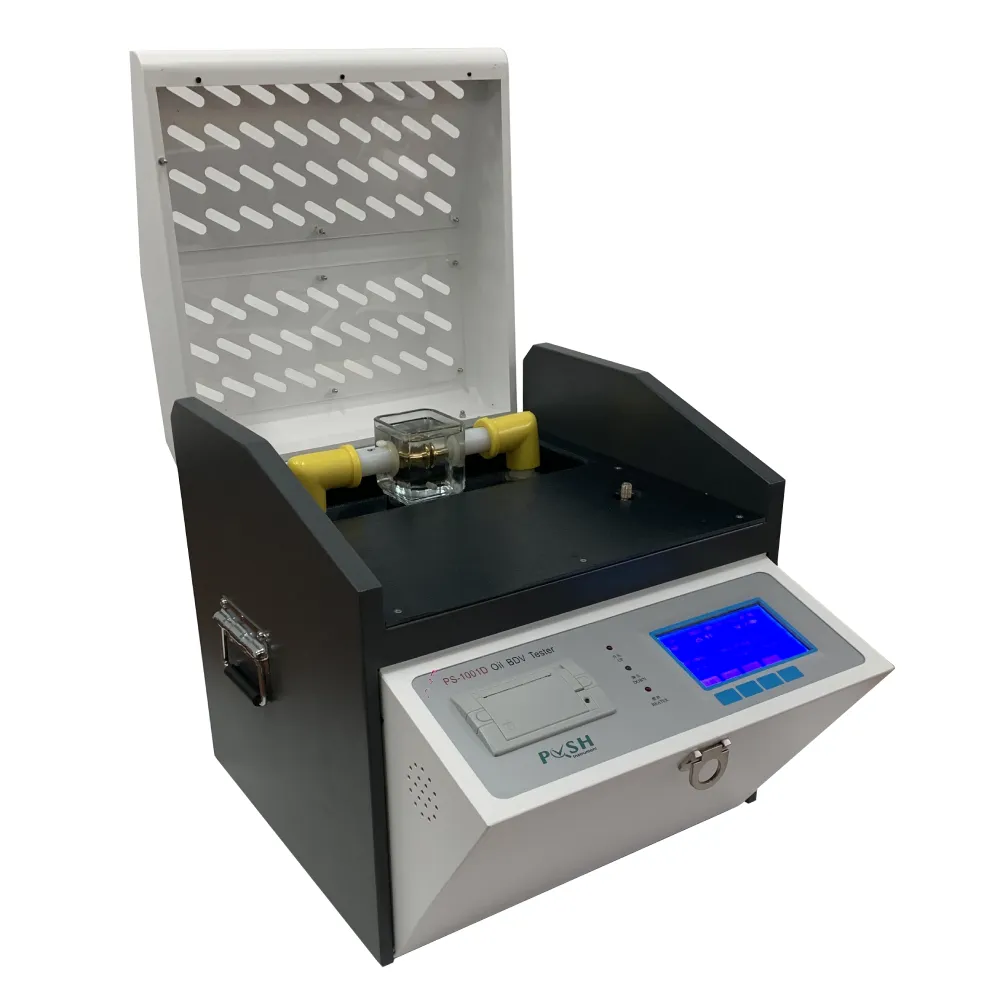
 The Ultimate Guide to Transformer Oil Analysis for Grid ReliabilityMaintaining the health of electrical transformers is critical for preventing catastrophic failures and ensuring an uninterrupted power supply. One of the most effective ways to monitor this health is through professional transformer oil analysis, a process that acts as a blood test for your high-voltage equipment. By examining the physical, chemical, and dissolved gas properties of the insulating oil, engineers can detect early signs of overheating, electrical discharge, or insulation degradation. In this comprehensive guide, we will explore how systematic oil testing can extend the lifespan of your assets and reduce unplanned downtime.Detail
 -
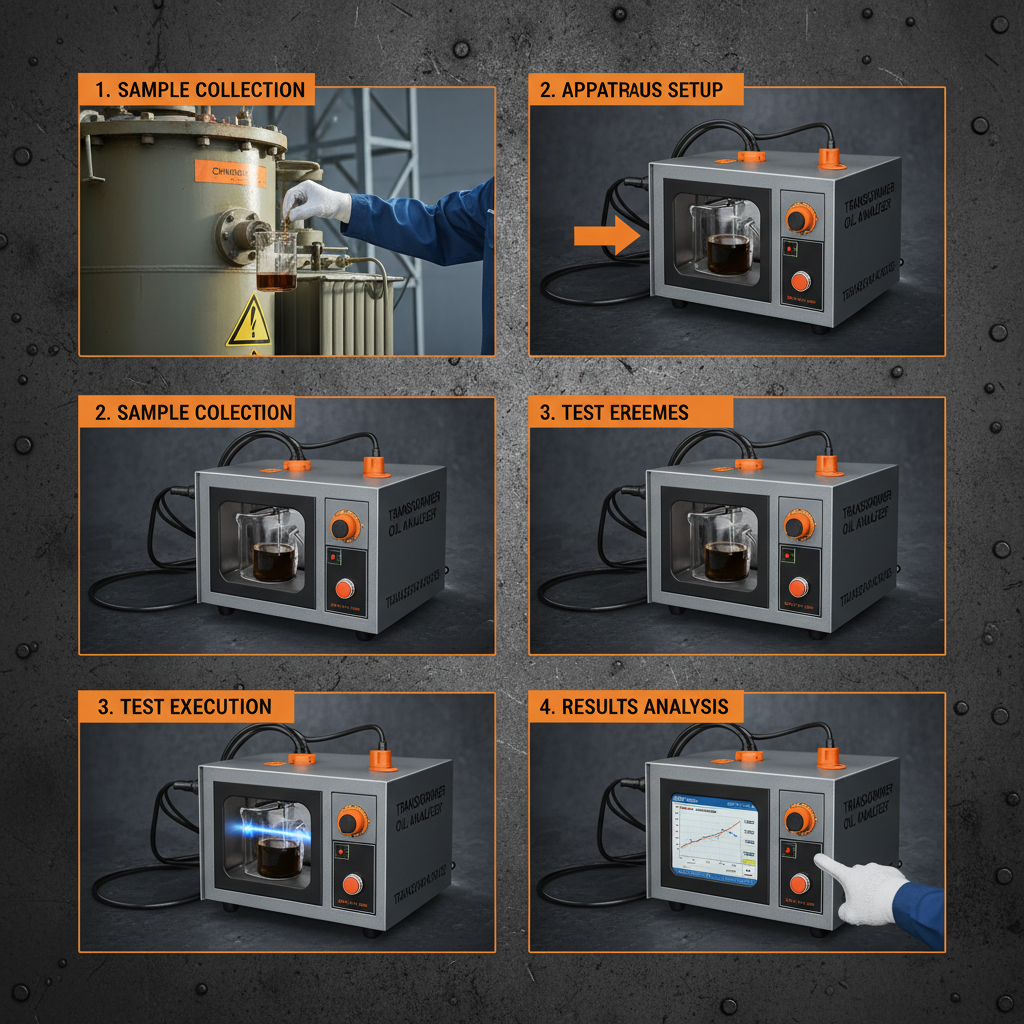 Comprehensive Guide to Transformer Oil Testing and Maintenance ProceduresMaintaining the health of your transformers is crucial for reliable power distribution. Regular transformer oil testing identifies potential issues before they lead to costly downtime or equipment failure. This article will detail the key tests performed, the importance of each, and how advancements in testing equipment are improving accuracy and efficiency.Detail