English



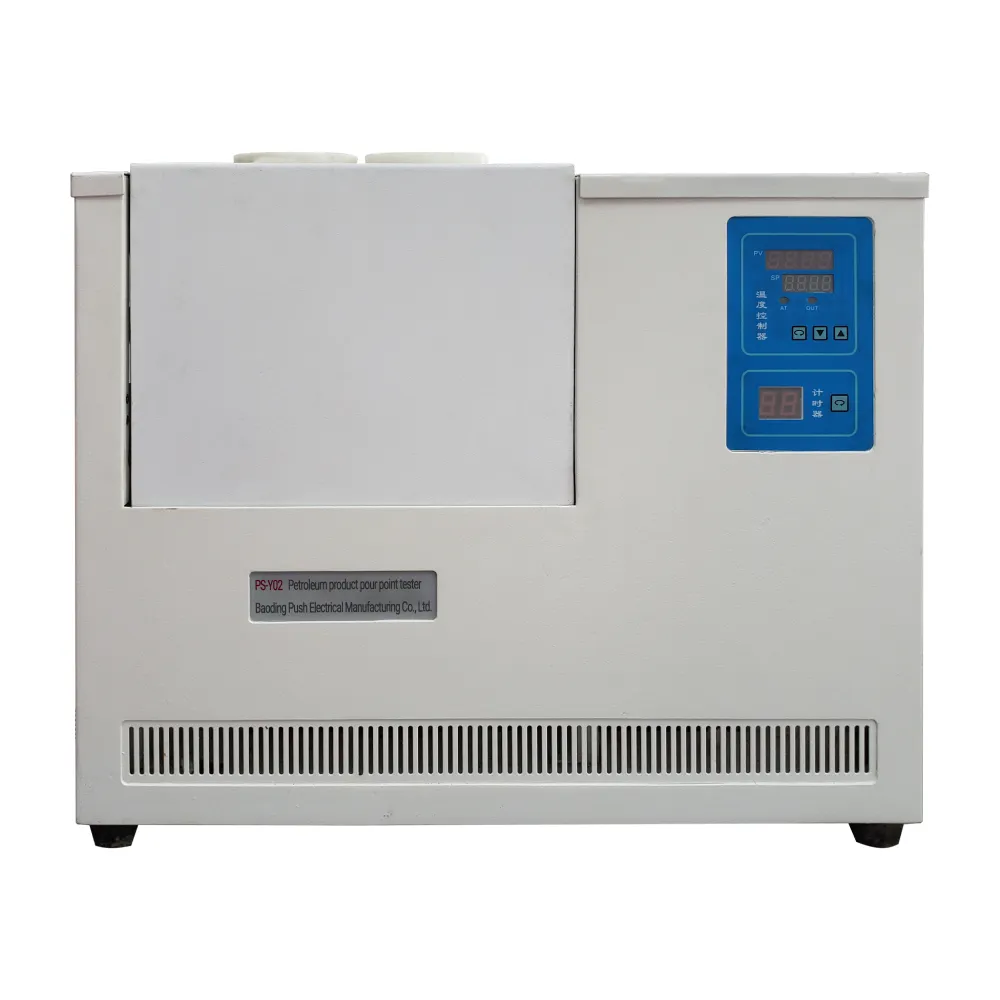
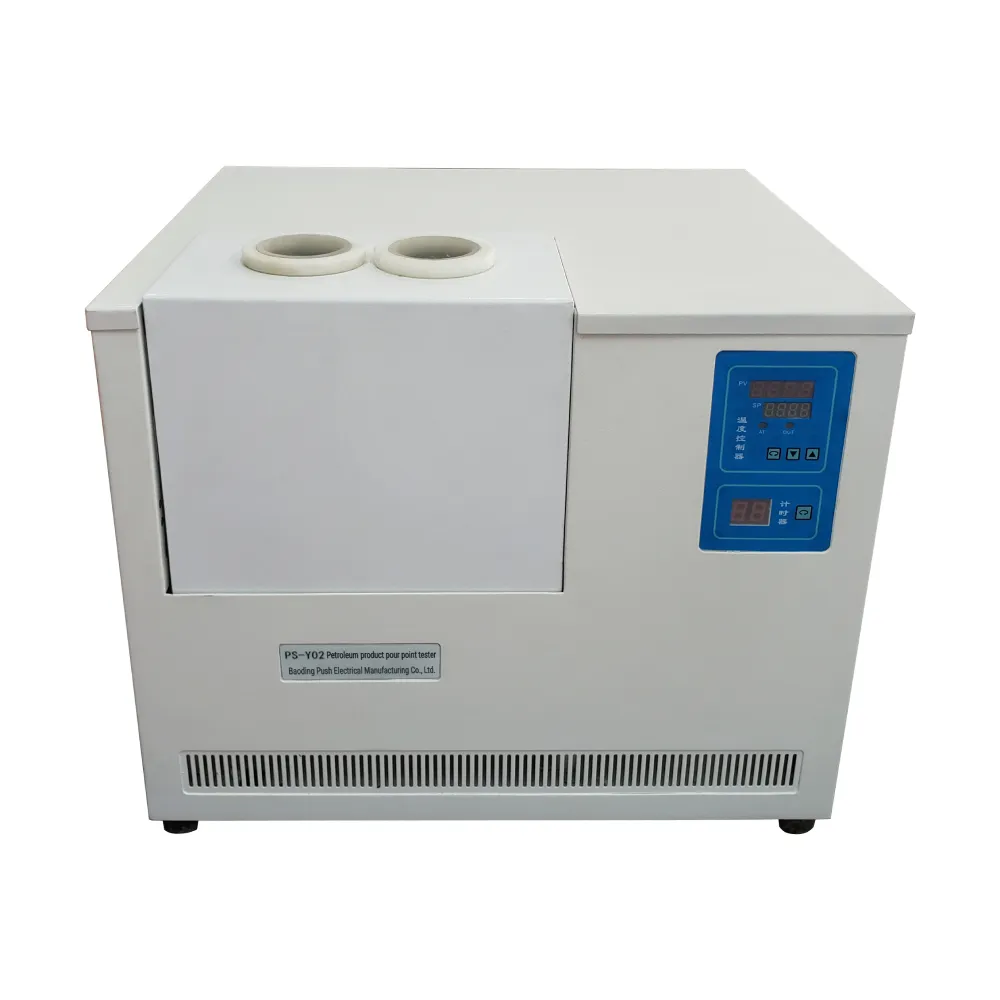
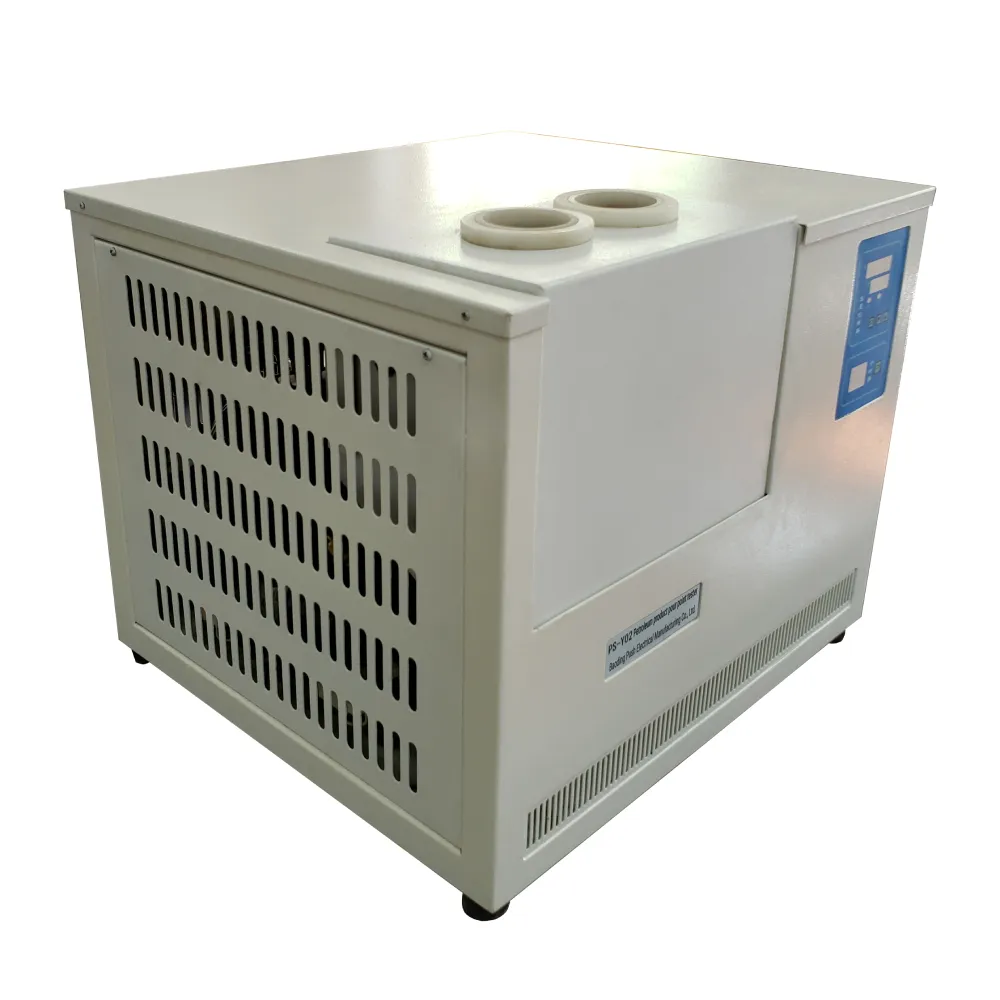
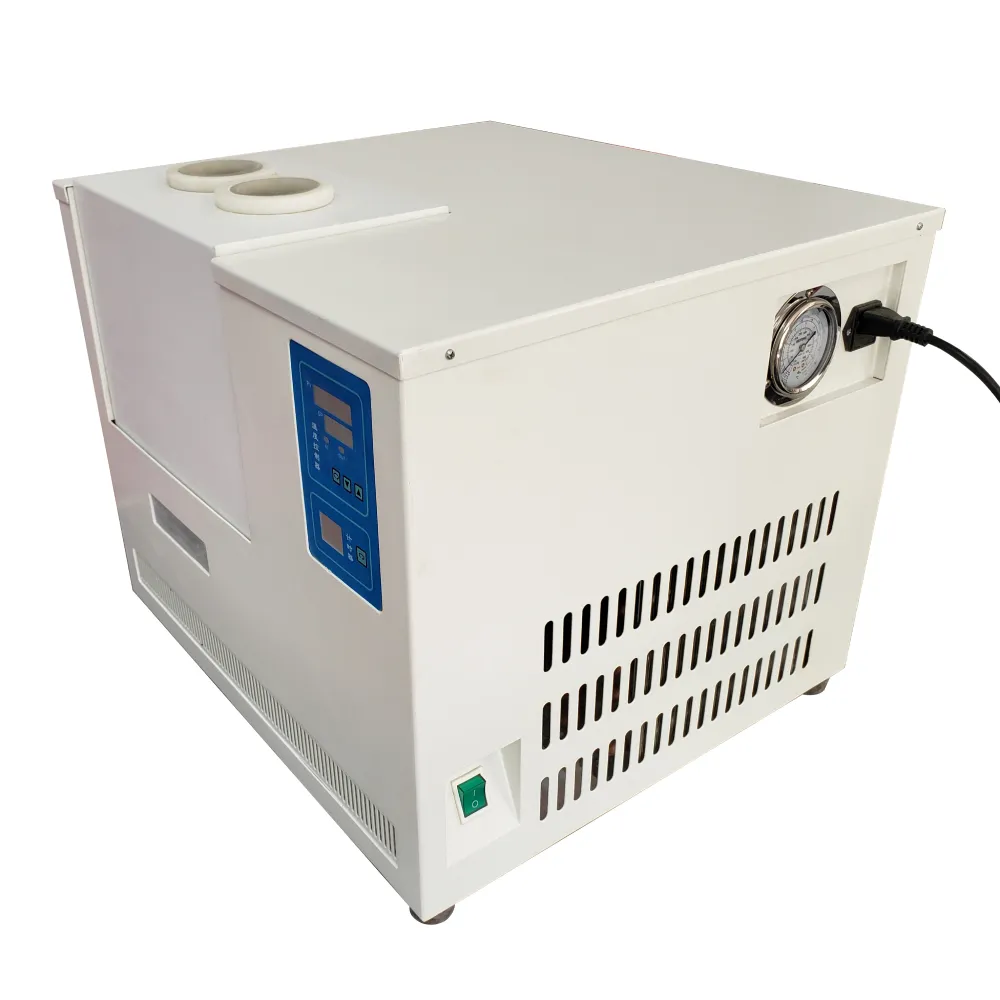
1. Integrated design, one slot two holes.
2.Refrigeration cycle system and temperature control system composed of imported totally enclosed compressor.
3.The cold tank adopts the patented technology of refrigeration and cold trap without alcohol, which has the advantages of fast cooling speed and long service life.
4.The imported PT100 temperature measurement system has high temperature control precision.
The Pour Point Tester is a specialized instrument used for determining the pour point of petroleum products, particularly lubricating oils and fuels. The pour point is the lowest temperature at which the oil remains fluid enough to flow or be pumped under specified conditions. This parameter is crucial in assessing the low-temperature performance of oils and fuels, especially in cold climates or applications where temperature variations are significant.
Lubricating Oil Industry: Used for quality control and performance assessment of lubricating oils, ensuring optimal performance under cold weather conditions.
Fuel Industry: Employed for evaluating the low-temperature flow properties of diesel, biodiesel, and other fuels, ensuring proper operation in cold environments.
Petrochemical Industry: Utilized for assessing the pour point of various petroleum-based products, including base oils, hydraulic fluids, and waxes.
Quality Control: Ensures that lubricating oils and fuels meet specified standards and performance requirements, preventing operational issues due to poor low-temperature properties.
Product Development: Helps in formulating and optimizing oil and fuel formulations to achieve desired pour point characteristics for specific applications and climates.
Cold Climate Operations: Essential for industries operating in cold regions or during winter months, where low-temperature flow properties are critical for equipment performance and reliability.
Research and Testing: Used by research institutions and laboratories to study the effects of additives, base oil types, and formulation changes on pour point characteristics, contributing to the development of advanced oil and fuel products.
The Pour Point Tester works by cooling a sample of oil or fuel gradually and monitoring its temperature. At the pour point temperature, the oil begins to solidify, resulting in a significant increase in viscosity and hindered flow. The instrument detects this temperature, providing a precise measurement of the pour point. This information helps operators and manufacturers ensure the suitability of oils and fuels for specific applications and environmental conditions, thereby enhancing equipment performance, reliability, and safety.
|
compressor |
imported air cooled fully closed |
|
measurement range |
20℃~-70℃ |
|
temperature control accuracy |
±0.5℃ |
|
cooling time |
<60minutes |
|
accuracy |
0.1℃ |
|
power voltage |
AC220V±10% |
|
power frequency |
50Hz±2% |
|
power |
≤35W |
|
ambient temperature |
10~40℃ |
|
ambient humidity |
<85%RH |
|
wide*hight*depth |
530mm*440mm*460mm |
|
net weight |
65kg |
-
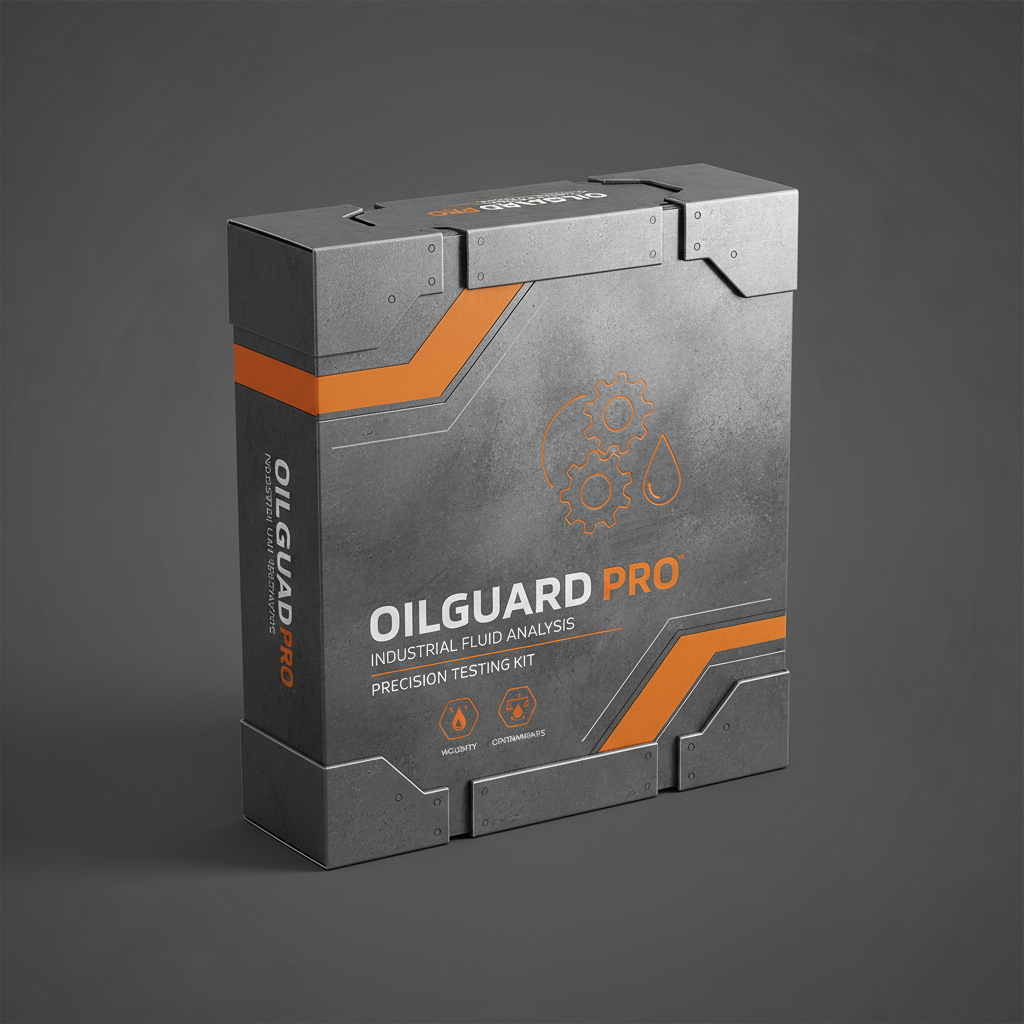 Guide to Choosing the Right Industrial Oil Testing Kit for MachineryMaintaining industrial machinery requires more than just regular lubrication; it demands precise monitoring of lubricant health. An oil testing kit serves as the first line of defense against catastrophic equipment failure. By analyzing oil quality on-site, maintenance teams can detect contamination, oxidation, and wear particles before they lead to costly downtime. Whether you are managing a fleet of heavy machinery or a complex manufacturing plant, understanding the capabilities of your testing tools is essential for maximizing operational efficiency. In this guide, we will explore how to select and utilize the best tools for your specific industrial needs.Detail
 -
 The Ultimate Guide to Transformer Oil Analysis for Grid ReliabilityMaintaining the health of electrical transformers is critical for preventing catastrophic failures and ensuring an uninterrupted power supply. One of the most effective ways to monitor this health is through professional transformer oil analysis, a process that acts as a blood test for your high-voltage equipment. By examining the physical, chemical, and dissolved gas properties of the insulating oil, engineers can detect early signs of overheating, electrical discharge, or insulation degradation. In this comprehensive guide, we will explore how systematic oil testing can extend the lifespan of your assets and reduce unplanned downtime.Detail
 -
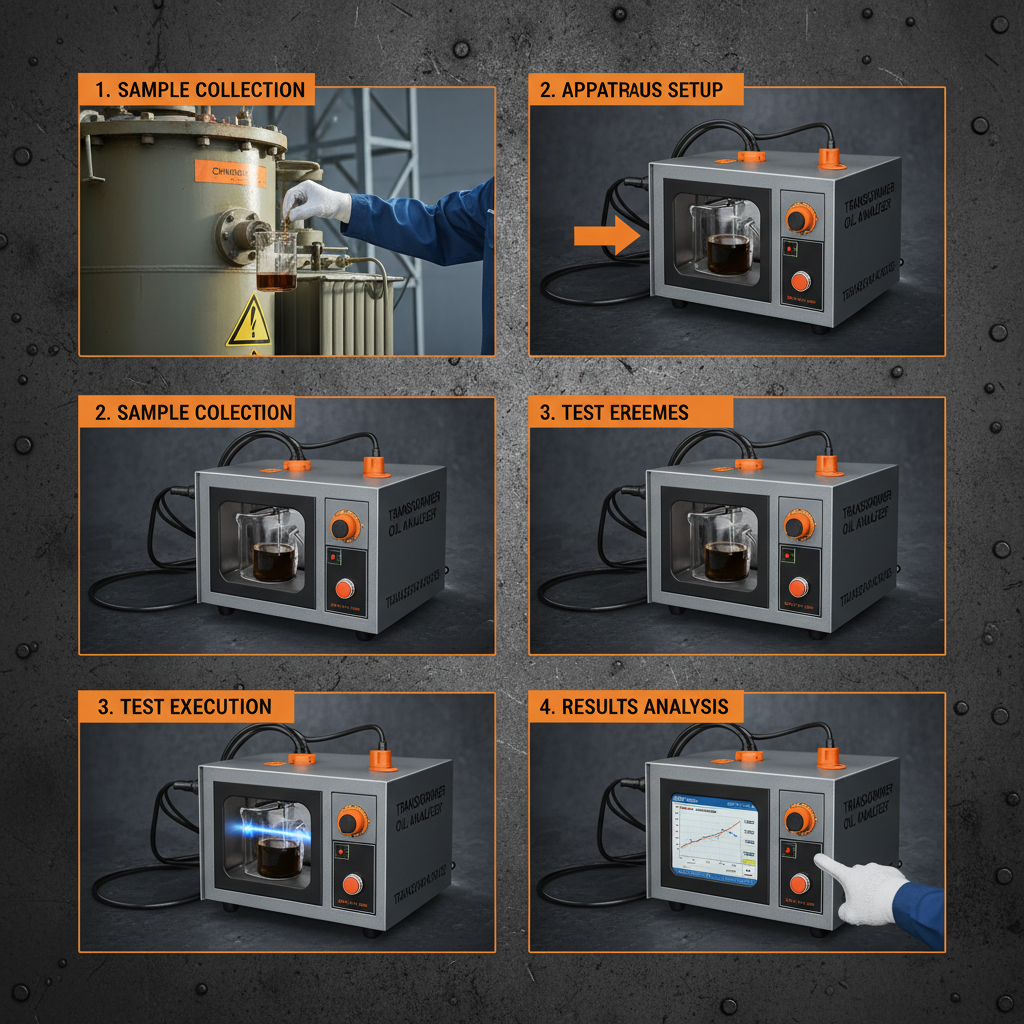 Comprehensive Guide to Transformer Oil Testing and Maintenance ProceduresMaintaining the health of your transformers is crucial for reliable power distribution. Regular transformer oil testing identifies potential issues before they lead to costly downtime or equipment failure. This article will detail the key tests performed, the importance of each, and how advancements in testing equipment are improving accuracy and efficiency.Detail